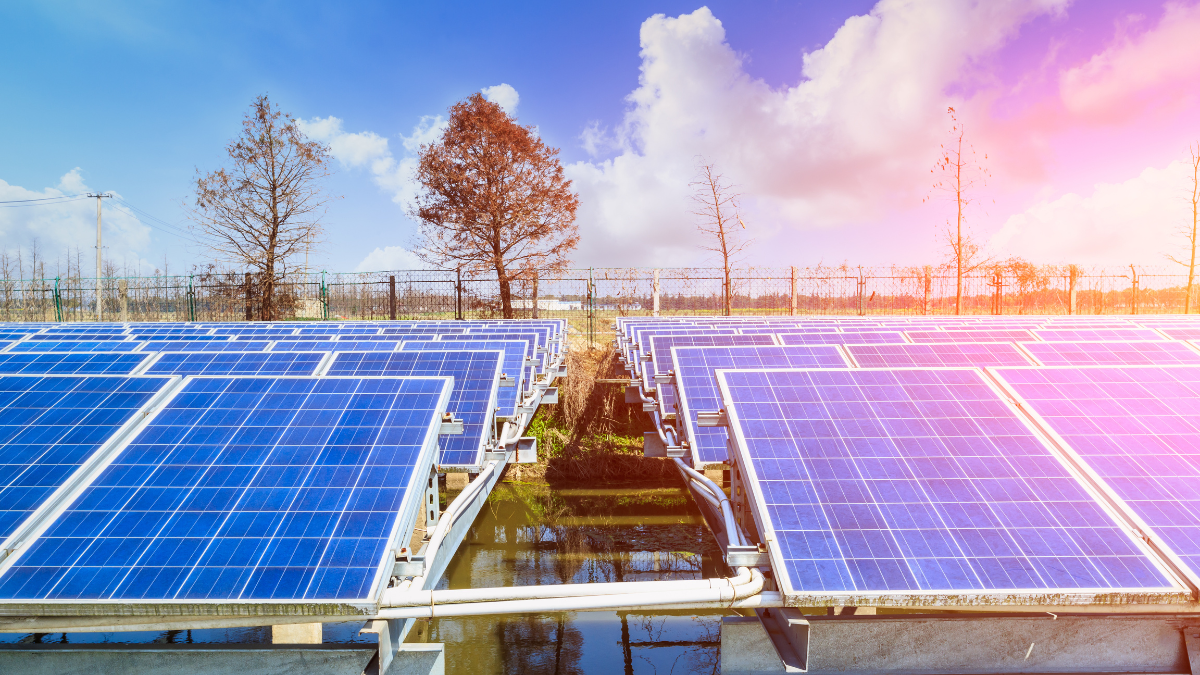
Iberdrola has completed the first stage of its Noronha Verde initiative in the Fernando de Noronha archipelago in Brazil. In this initial phase, the company has installed 4,800 solar panels—about 15% of the total planned—and has begun testing the system before it starts feeding energy into the island’s grid.The project aims to create a new energy model for the island by combining large-scale solar generation with modern battery storage.
This approach is designed to make Fernando de Noronha the first inhabited oceanic island in Latin America to achieve a highly sustainable and resilient energy system, improving local energy security, efficiency, and independence.Noronha Verde is being developed by Neoenergia, the Brazilian subsidiary of Iberdrola. When fully completed, the project will include more than 30,000 solar panels and will represent an investment of 350 million Brazilian reais, equivalent to over €50 million.
The full rollout is expected to be finished by the end of 2026. The development is taking place in an area recognised by UNESCO as a Natural Heritage of Humanity, which adds environmental responsibility and protection requirements to the work.One of the main goals is to completely eliminate the use of fossil fuels for electricity generation on the island.
The upcoming solar plant will include advanced storage systems capable of holding 49 MWh of energy, paired with an installed capacity of 22 MWp. Together, these will be enough to supply the equivalent electricity consumption of around 9,000 homes, significantly reducing dependence on biodiesel, which is currently used to power local generators.
The project was presented in November by Iberdrola’s Executive Chairman, Ignacio Galán, alongside Brazil’s Minister for Mines and Energy, Alexandre Silveira. It is being carried out in partnership with the Federal Government and the Government of Pernambuco.
Noronha Verde is also part of the wider Mais por Noronha programme, which supports several clean-energy and electrification efforts across the island, including installing solar systems in homes and tourist accommodations, developing charging stations, introducing electric vehicles, expanding distributed generation, and implementing smart-grid technologies to modernise the island’s energy network.
Subscribe to get the latest posts sent to your email.