Global energy leaders are gathering to decide whether to release emergency oil reserves as production and export disruptions tied to the Middle East conflict continue to strain global markets.
The International Energy Agency hosted G7 energy ministers at its Paris headquarters on Tuesday, where Executive Director Fatih Birol warned that conditions in oil markets have deteriorated in recent days. Shipments through the Strait of Hormuz have been disrupted, forcing some producers in the region to curtail output, creating what the agency described as “significant and growing risks” to global supply.
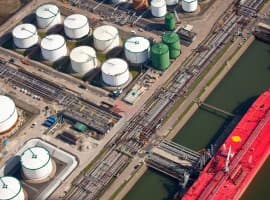
Birol said in a Tuesday statement that the group discussed all available options to stabilize the market, including the possible release of emergency stockpiles held by IEA member countries. Those reserves are substantial. According to the agency, member governments collectively hold more than 1.2 billion barrels of public emergency oil stocks, in addition to roughly 600 million barrels of industry inventories maintained under government obligations.
Related: Little-Known US Company Lands Important Pentagon Contract in Rare Earth Race
Birol has convened an extraordinary meeting of member governments later today to assess supply security and determine whether those emergency stocks should be made available to the market.
The discussion comes as oil markets react to one of the most severe disruptions to global energy trade in decades. Tanker traffic through the Strait of Hormuz—the world’s most critical oil chokepoint—has slowed dramatically amid security concerns, effectively trapping large volumes of crude within the Persian Gulf and forcing some producers to shut in output due to storage constraints.
The supply shock has already pushed oil prices sharply higher. Brent crude recently surged toward the mid-$90 per barrel range, marking a dramatic rally since the start of the year. And prices are expected to remain elevated for the time being.
In its latest Short-Term Energy Outlook, the Energy Information Administration raised its oil price outlook significantly, citing the same disruptions to Middle East production and exports.
Global policymakers are hoping to prevent a full-blown supply crisis, and deploying emergency stockpiles could become one of the most important decisions shaping oil markets in the weeks ahead.
By Julianne Geiger for Oilprice.com
More Top Reads From Oilprice.com
- Why $100 Oil Isn’t Going to Spark a New Shale Boom
- The Chokepoint Economy: What Happens When Everything Breaks at Once
- Gulf Producers Slash Oil Output by 5 Million Bpd