IEEFA Report Highlights Challenges and Opportunities of Green Hydrogen in Maritime Shipping

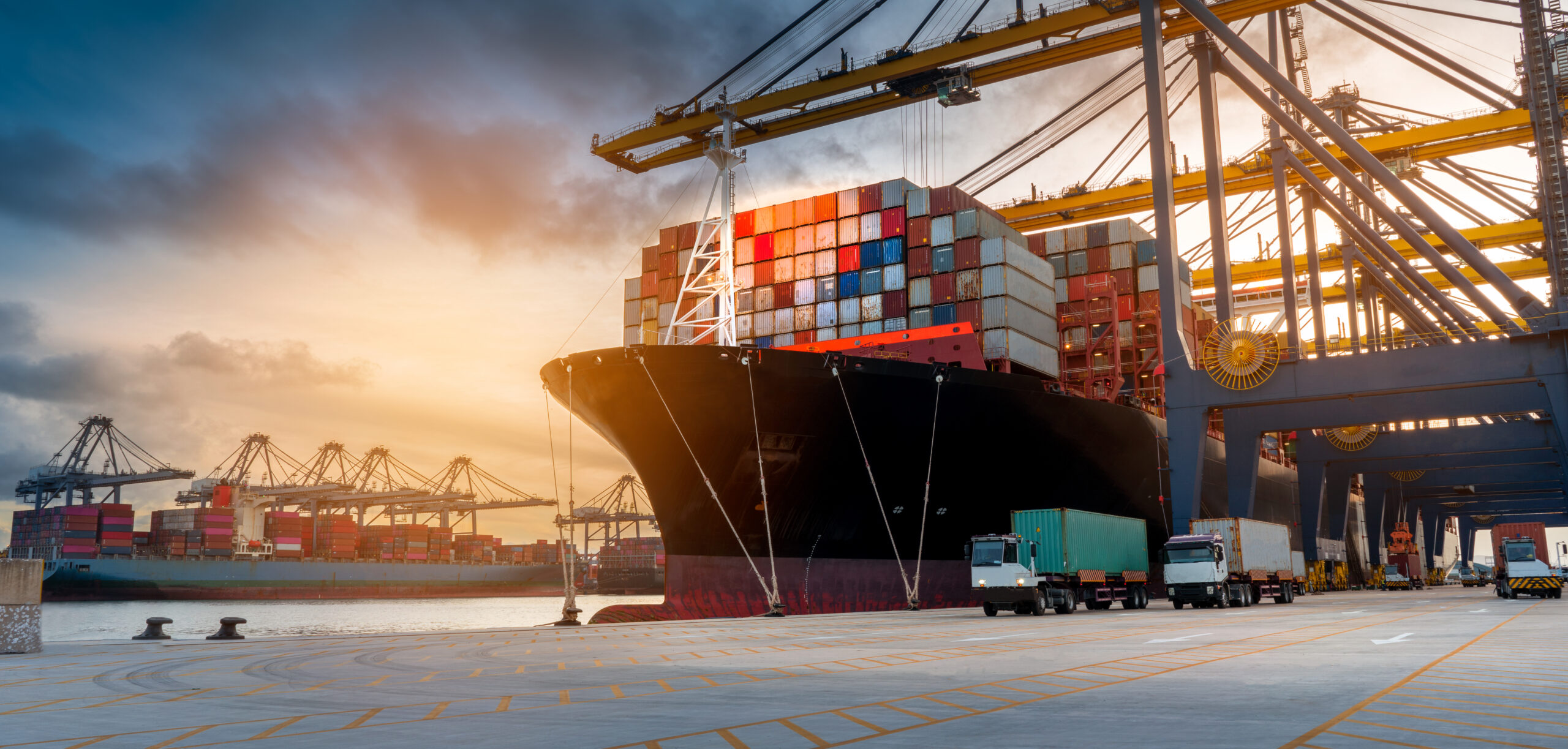
Maritime shipping is vital to the global economy, facilitating 80% of trade and enabling trillions of dollars in annual economic activity, and responsible for more than 700 million tonnes (Mt) of carbon dioxide (CO₂) a year. Alternative energy sources—such as hydrogen—are gaining notice and the International Maritime Organization (IMO) has committed to achieving net zero by 2050. However, widespread adoption requires overcoming substantial economic, technological, and operational barriers—and a poorly planned scaleup of maritime hydrogen could risk undermining net-zero goals in the long run, according to a new report from the Institute for Energy Economics and Financial Analysis (IEEFA).

“The maritime sector stands at a pivotal moment as the urgency to combat climate change grows,” said Abhishek Sinha, IEEFA energy finance analyst and co-author of the report. “As various low-carbon approaches continue to emerge and develop, it is important to remember that the industry’s path is neither inevitable nor pre-determined; economics, technology, and policy all will continue to inform the maritime sector’s energy transition.”

The report evaluates the promises of green hydrogen-based maritime fuels, and the signs of preliminary market interest from industry players. It also identifies several hurdles that will need to be addressed if maritime hydrogen is to have a chance of living up to its promises, including:

  • High Costs: The economic feasibility of green hydrogen depends on reducing production costs and increasing infrastructure investments, while cheaper, higher-carbon forms of hydrogen risk undermining decarbonization goals.
  • Infrastructure Needs: A green shipping sector requires substantial investment in vessels, fueling systems, and port infrastructure.
  • Policy and Guidance Gaps: Robust regulatory frameworks are needed to incentivize adoption, avoid carbon lock-in, and ensure the transition is truly sustainable. There is immense peril in a poorly-managed scaleup. Not all hydrogen is created equal, and a large-scale buildout of dirty hydrogen capacity risks undermining the sector’s decarbonization goals.

Collaboration among regulators, industry stakeholders, and market actors is essential to navigate these risks effectively.


 

  • Related Posts

    Solar & Storage Ethiopia 2026 Concludes with a Grand Celebration of Renewable Energy Leadership, Innovation, and Industry Excellence

    Solar & Storage Ethiopia 2026 reached a defining high point with the Solar & Storage Ethiopia Awards 2026, an evening that brought together the most respected names across Ethiopia’s solar…

    MNRE Notifies Green Methanol Standard Under National Green Hydrogen Mission

    The Government of India has taken a major step toward reducing carbon emissions in the industrial and energy sectors by officially notifying the Green Methanol Standard for India. The announcement…

    Have You Seen?

    Oil Prices up 1% as Iran Crisis Disrupts Middle East Supply

    • March 4, 2026
    Oil Prices up 1% as Iran Crisis Disrupts Middle East Supply

    JP Morgan Warns of Catastrophic Oil Supply Loss from Middle East War

    • March 4, 2026
    JP Morgan Warns of Catastrophic Oil Supply Loss from Middle East War

    Oil, Fuel Contracts Break Records on Surging Prices

    • March 4, 2026
    Oil, Fuel Contracts Break Records on Surging Prices

    Analyst Outlines 2 Potential Scenarios for Conflict

    • March 4, 2026
    Analyst Outlines 2 Potential Scenarios for Conflict

    Shipping and trade lawyers’ workloads rise as Gulf crisis disputes soar

    • March 4, 2026
    Shipping and trade lawyers’ workloads rise as Gulf crisis disputes soar

    Nasa resolves helium flow issue on Artemis II rocket

    • March 4, 2026
    Nasa resolves helium flow issue on Artemis II rocket

    Canada’s Heavy Crude Tightens as Hormuz Risk Ripples Through Global Markets

    • March 4, 2026
    Canada’s Heavy Crude Tightens as Hormuz Risk Ripples Through Global Markets

    Sanctioned Russian LNG Tanker Explodes in Mediterranean — A First of Its Kind?

    • March 4, 2026
    Sanctioned Russian LNG Tanker Explodes in Mediterranean — A First of Its Kind?

    US Crude Oil Inventories Continue to Build While Gasoline Draws Down

    • March 4, 2026
    US Crude Oil Inventories Continue to Build While Gasoline Draws Down

    Trump Says US to Provide Insurance to All Maritime Trade in Gulf

    • March 4, 2026
    Trump Says US to Provide Insurance to All Maritime Trade in Gulf