Independent Testing Finds Widening Gap in Solar Module Efficiency Claims

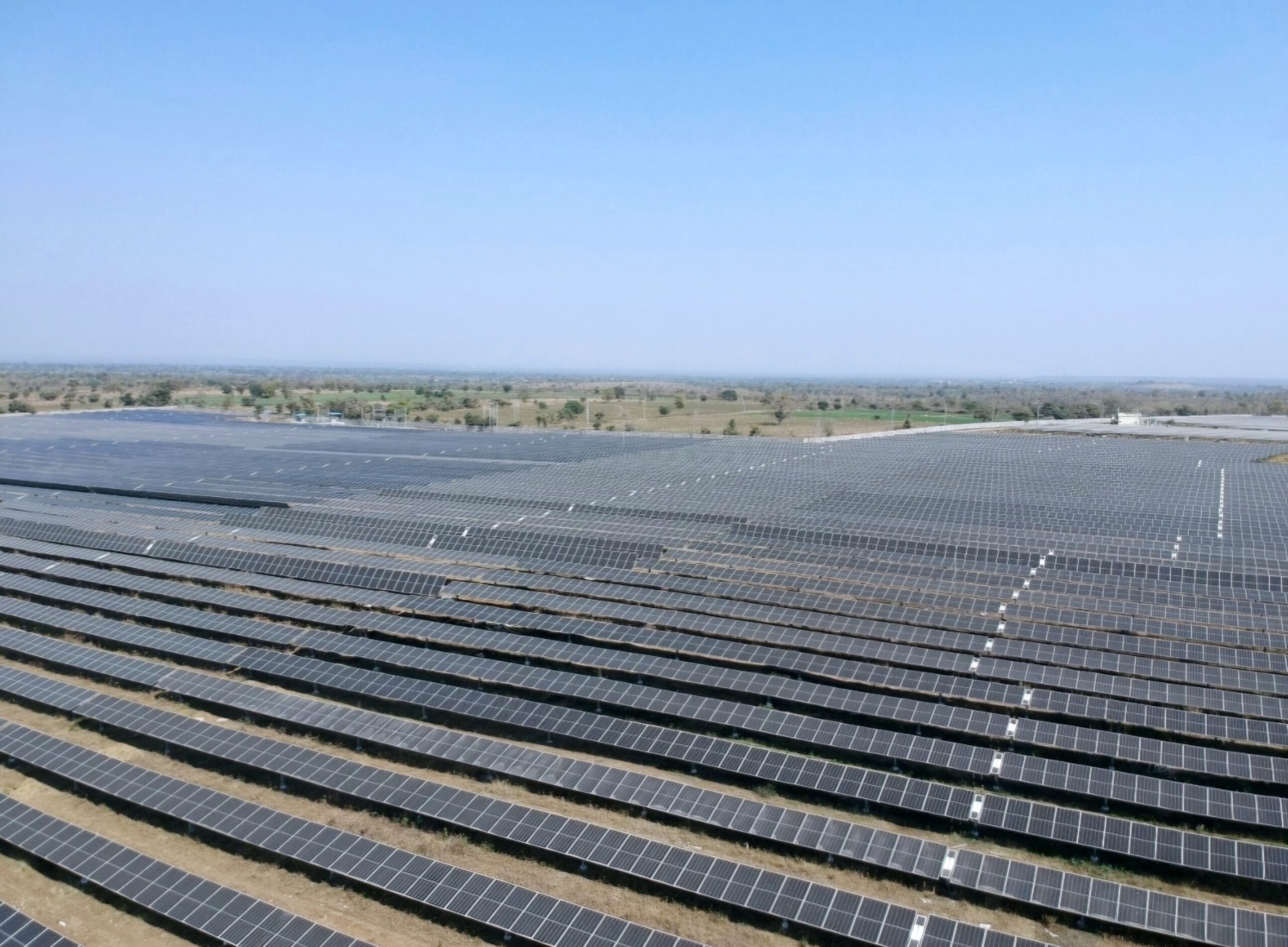
Representational image. Credit: Canva

A study by the Fraunhofer Institute for Solar Energy Systems (Fraunhofer ISE) has revealed a growing discrepancy between the power output specifications of photovoltaic (PV) module manufacturers and the actual performance measured in laboratory tests. The findings, based on an extensive evaluation of over 70,000 PV module power measurements conducted since 2012 at the institute’s CalLab PV Modules, suggest that module performance has been consistently overstated in recent years.

Until 2016, Fraunhofer ISE’s laboratory measurements often showed PV modules delivering more power than their manufacturers claimed. However, a negative trend has emerged since 2017, with the discrepancy widening significantly between 2020 and 2023, leading to an average power reduction of about 1.3 percent compared to manufacturer specifications. Preliminary 2024 data indicates a slight reversal in this trend, but power deviations remain negative at 1.2 percent on average.

© Fraunhofer ISEUntil 2016, Fraunhofer ISE’s laboratory measured more power on average than promised by the manufacturer. Since then, a negative trend has become apparent, particularly in the years 2020 to 2023.

The research team, led by Daniel Phillip, head of the Department of Module Characterization and Reliability at Fraunhofer ISE, analyzed 1,034 performance measurements of monocrystalline silicon PV modules under standardized conditions. Their findings were presented at the 40th PV Symposium in Bad Staffelstein this week. Phillip noted that while deviations before 2016 were within an acceptable range, the growing negative discrepancies in recent years highlight a potential issue with overly optimistic power ratings by manufacturers.

According to Phillip, if the Fraunhofer ISE data is representative of the German PV market, the observed 1.2 percent underperformance in 2024 translates to an overall power shortfall of approximately 195 megawatts, equivalent to the output of one of Germany’s largest solar parks.

Prof. Andreas Bett, Institute Director at Fraunhofer ISE, emphasized the importance of independent quality control for PV modules, particularly as over 90 percent of PV components in the German and European markets are imported. The study filtered data rigorously to ensure accuracy, excluding inconsistent or statistically distorting samples and only considering modules from top 10 manufacturers each year.

Fraunhofer ISE has maintained a stable calibration standard over the years, verified by regular interlaboratory comparisons. The institute’s findings underscore the need for continuous monitoring and independent verification to maintain transparency and trust in the solar industry.


 

  • Related Posts

    WindForce PLC Secures 120 MW Grid-Scale Battery Storage Projects In Sri Lanka

    Representational image. Credit: Canva WindForce PLC has secured 12 standalone Battery Energy Storage System (BESS) projects in Sri Lanka, marking a major development in the country’s power sector. The projects…

    Japan Advances Space-Based Solar Power Project To Beam Energy From Orbit

    Japan is moving ahead with an ambitious plan to transmit solar power from space to Earth for commercial use. The country aims to become the first in the world to…

    Have You Seen?

    Trump Tariff Reversal Could Cut Costs for US Energy Firms But Will Likely Leave Broader Flows Unchanged

    • February 21, 2026
    Trump Tariff Reversal Could Cut Costs for US Energy Firms But Will Likely Leave Broader Flows Unchanged

    Oil Rises Late, Settles Higher and With Weekly Gain on Iran-US Jitters

    • February 21, 2026
    Oil Rises Late, Settles Higher and With Weekly Gain on Iran-US Jitters

    US Judge Upholds $243 Million Verdict Against Tesla Over Fatal Autopilot Crash

    • February 21, 2026
    US Judge Upholds $243 Million Verdict Against Tesla Over Fatal Autopilot Crash

    TXNM Energy Gets FERC Approval for $11.5 Billion Blackstone Deal

    • February 21, 2026
    TXNM Energy Gets FERC Approval for $11.5 Billion Blackstone Deal

    WindForce PLC Secures 120 MW Grid-Scale Battery Storage Projects In Sri Lanka

    • February 21, 2026
    WindForce PLC Secures 120 MW Grid-Scale Battery Storage Projects In Sri Lanka

    Japan Advances Space-Based Solar Power Project To Beam Energy From Orbit

    • February 21, 2026
    Japan Advances Space-Based Solar Power Project To Beam Energy From Orbit

    Türkiye And Saudi Arabia Sign 2,000 MW Solar Power Deal To Boost Clean Energy Cooperation

    • February 21, 2026
    Türkiye And Saudi Arabia Sign 2,000 MW Solar Power Deal To Boost Clean Energy Cooperation

    Rwanda Secures $300 Million Boost To Expand Solar Access, Clean Cooking, And Grid Connections

    • February 21, 2026
    Rwanda Secures $300 Million Boost To Expand Solar Access, Clean Cooking, And Grid Connections

    NTPC Invites Bids For Solar High Mast Project At Vindhyachal Plant Under CSR 2025–26 In Madhya Pradesh

    • February 21, 2026
    NTPC Invites Bids For Solar High Mast Project At Vindhyachal Plant Under CSR 2025–26 In Madhya Pradesh

    ConocoPhillips Considers Selling Permian Assets Worth $2 Billion, Bloomberg News Reports

    • February 21, 2026
    ConocoPhillips Considers Selling Permian Assets Worth $2 Billion, Bloomberg News Reports