India is steadily progressing in the direction of renewable energy while keeping in mind both its national energy needs and international climate goals. As of April 2025, coal continues to be the largest source of electricity in the country. It accounts for 45.02% of the total installed power capacity. However, renewable energy sources, particularly solar and wind, are growing rapidly. This growth clearly reflects India’s commitment to shifting towards cleaner and more sustainable energy solutions.
By the end of April 2025, renewable energy made up 37.19% of India’s total installed power capacity. Solar power played a major role in this growth. The country crossed 107.945 gigawatts (GW) in installed solar photovoltaic capacity. Excluding large hydroelectric power, India’s total renewable energy capacity stood at 175.7 GW. Out of this, solar energy made up 61.44% of the renewable energy capacity and contributed 22.85% to the country’s overall power mix. This shows a 21.381% increase in solar capacity compared to the previous year, highlighting the fast pace of solar installations.

India’s total installed power capacity reached 472 GW in April 2025, marking a 6.686% year-on-year growth. While renewable energy is expanding quickly, coal still plays a key role in the power system. Nearly half of India’s electricity continues to come from coal-based power plants. This makes the shift to renewable energy more challenging, especially when it comes to maintaining grid stability and ensuring a continuous power supply.
The growth of renewable energy is also bringing socio-economic benefits. Solar and wind power projects are creating new employment opportunities, especially in rural and semi-urban areas. These projects help boost local economies, improve access to electricity, and support the overall development of remote regions. As a result, they are improving the quality of life for many communities.
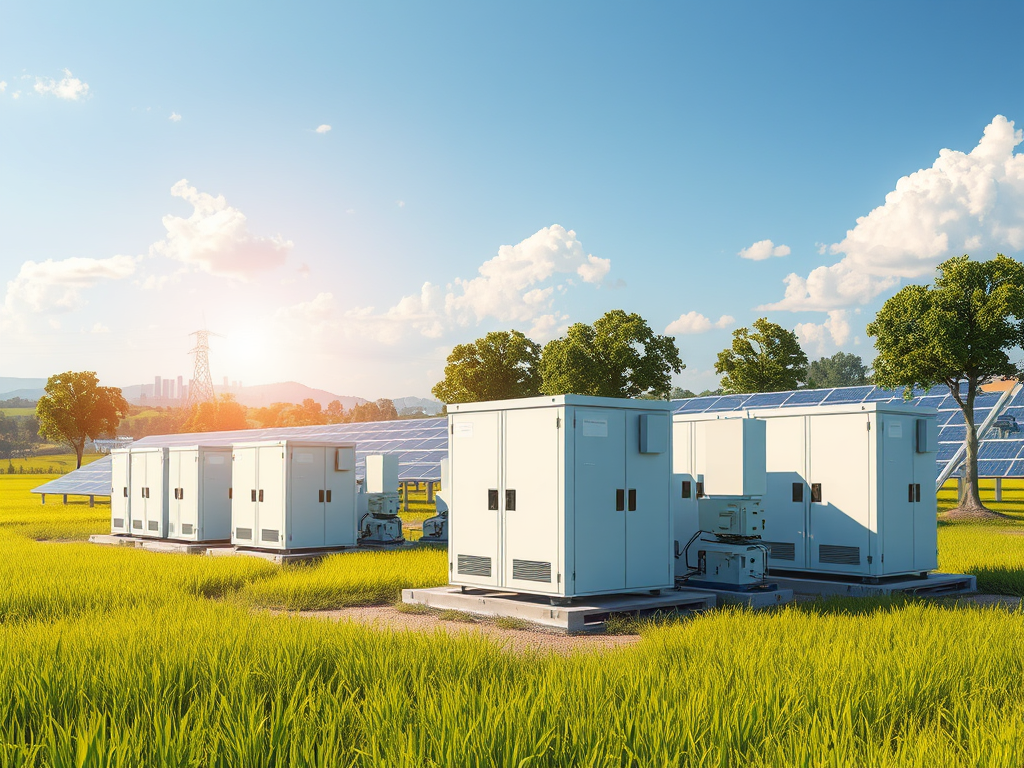
In addition to jobs and development, renewable energy is also helping India improve its energy security. By producing more electricity from solar and wind sources, India is becoming less dependent on imported fossil fuels. This helps protect the country from sudden global energy price hikes. Better energy storage and grid technologies are also making renewable energy more reliable and easier to integrate into the power system.
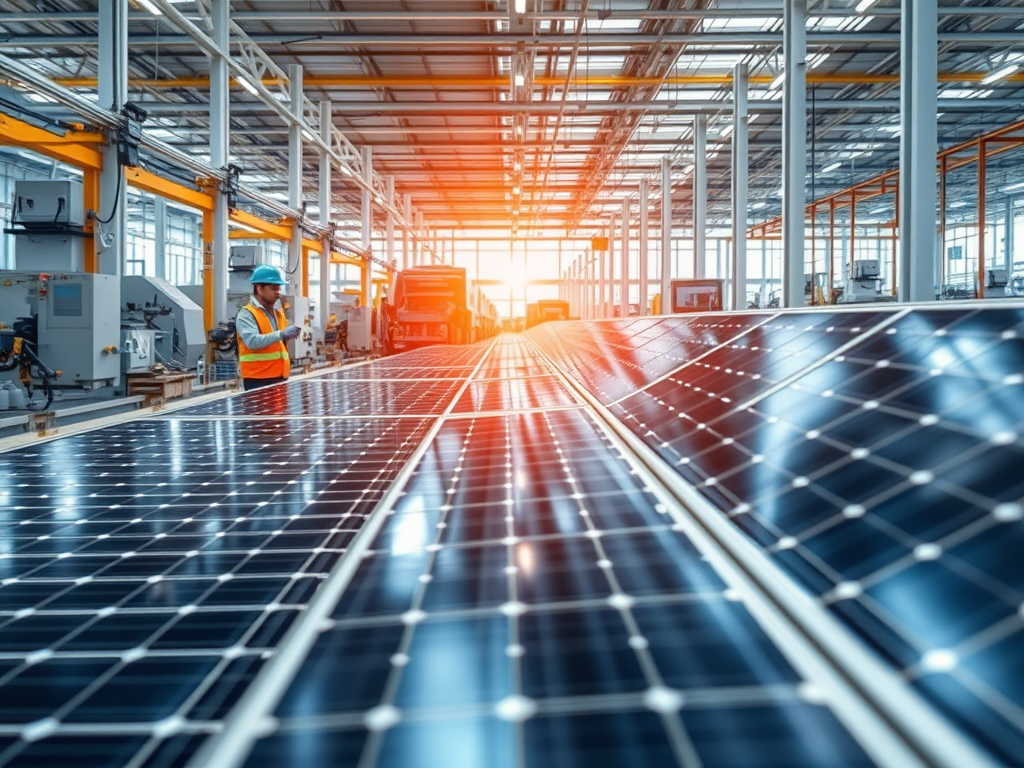
In the year 2024 alone, India added over 24.5 GW of new solar capacity. During the first four months of 2025, India installed another 10,080.89 megawatts (MW) of solar capacity. Government initiatives like the Approved List of Models and Manufacturers (ALMM) for solar modules and cells are helping ensure quality and encouraging domestic manufacturing.
Meanwhile, the United States has recently imposed new tariffs on solar products from countries like China. This move may indirectly benefit Indian solar manufacturers. With Chinese solar products becoming costlier in the US, Indian companies may find new opportunities for exports. However, Indian manufacturers will need to maintain high quality and competitive prices to take advantage of this global market shift. Despite ongoing challenges, India is making strong progress toward becoming a major player in the global clean energy sector.