India has emerged as a global leader in clean energy, ranking third in the world in renewable energy installed capacity, according to the latest Renewable Energy Statistics 2026 released by the International Renewable Energy Agency. Union Minister Pralhad Joshi said that India has moved ahead of Brazil to secure this position, reflecting the country’s rapid progress in the renewable sector.
The minister shared that India achieved a record addition of 55.3 GW of non-fossil fuel capacity during the financial year 2025–26, the highest ever in a single year. This growth highlights the strong push by the government to expand clean energy sources and reduce dependence on fossil fuels.
India also reached an important milestone in July 2025 when renewable energy met 51.5% of the country’s total electricity demand of 203 GW, marking the highest-ever share of renewables in power generation. As of March 31, 2026, the country has installed a total of 283.46 GW of non-fossil fuel capacity. This includes 274.68 GW from renewable energy sources such as solar, wind, bio energy, and hydro, along with 8.78 GW from nuclear power.
During 2025–26, India generated a total of 1,845.921 billion units of electricity, out of which 538.97 billion units came from non-fossil fuel sources. This means that 29.2% of the total electricity generation was from clean energy. The country also achieved another major target by reaching 50% of its cumulative installed electricity capacity from non-fossil sources in June 2025, five years ahead of its commitment under the Paris Agreement.
The government is now working towards achieving 500 GW of installed electricity capacity from non-fossil sources by 2030, in line with the announcement made at COP26.
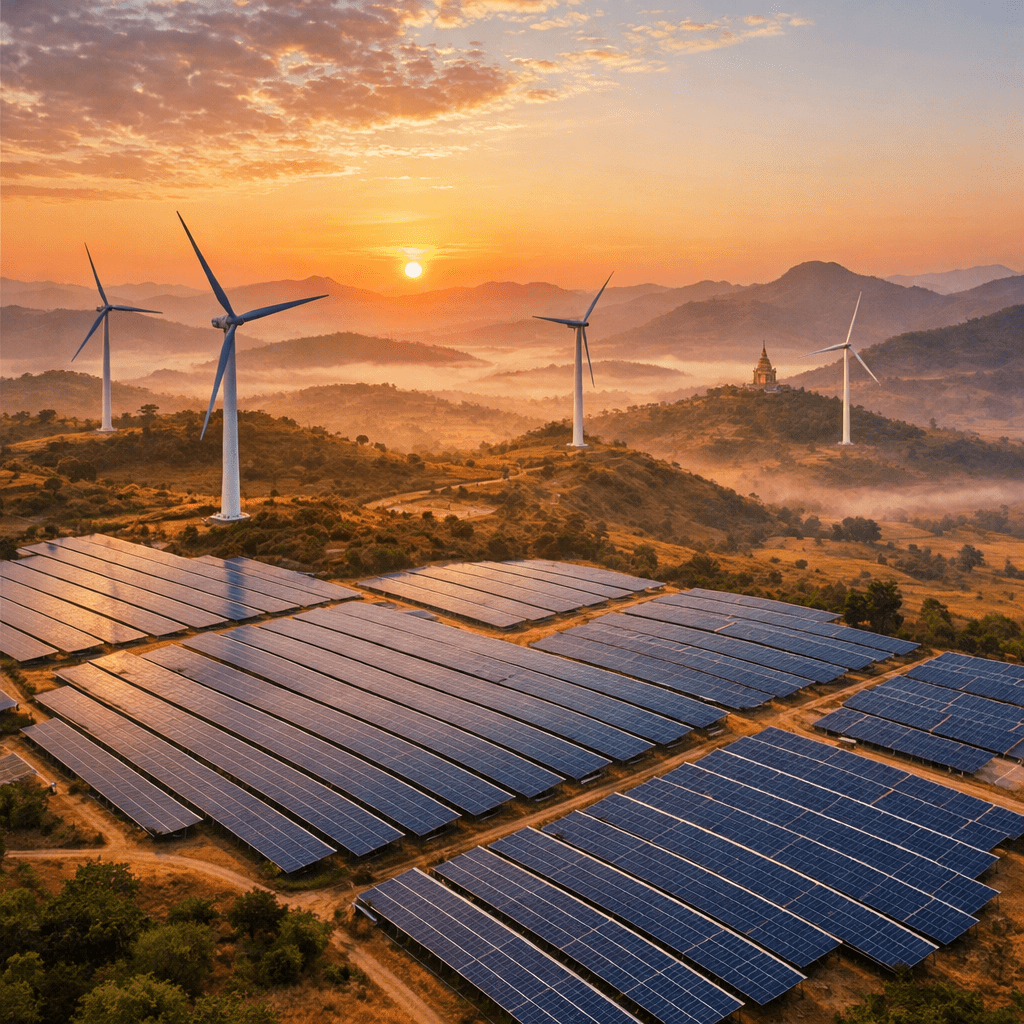
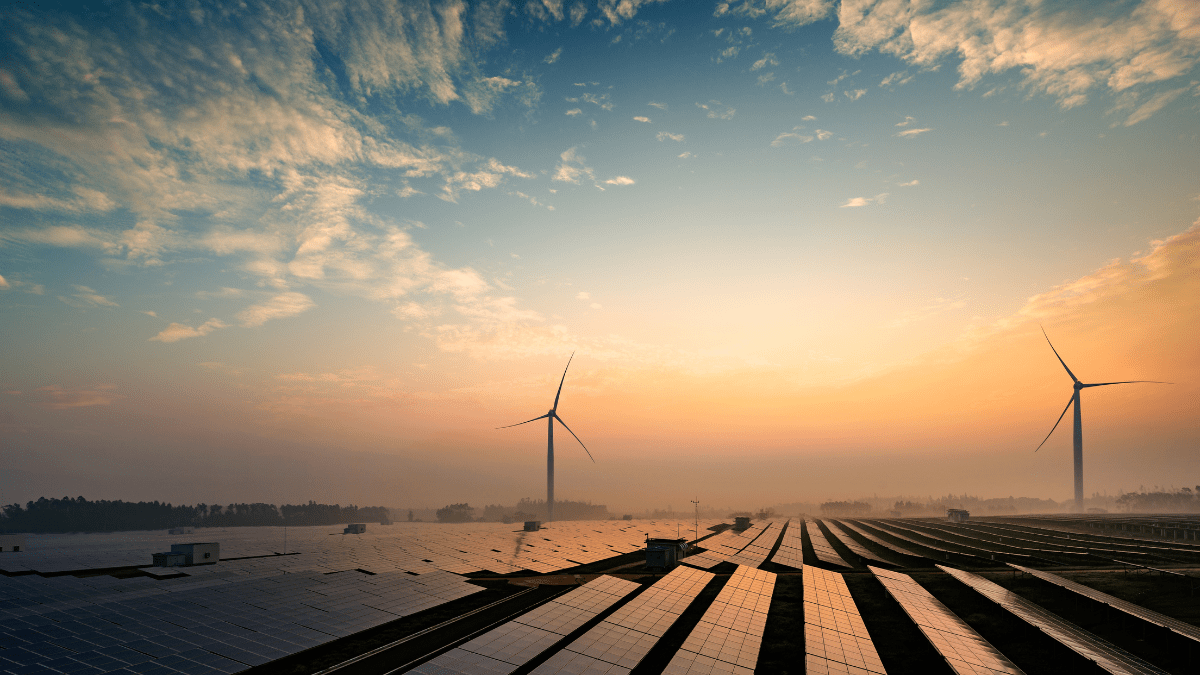
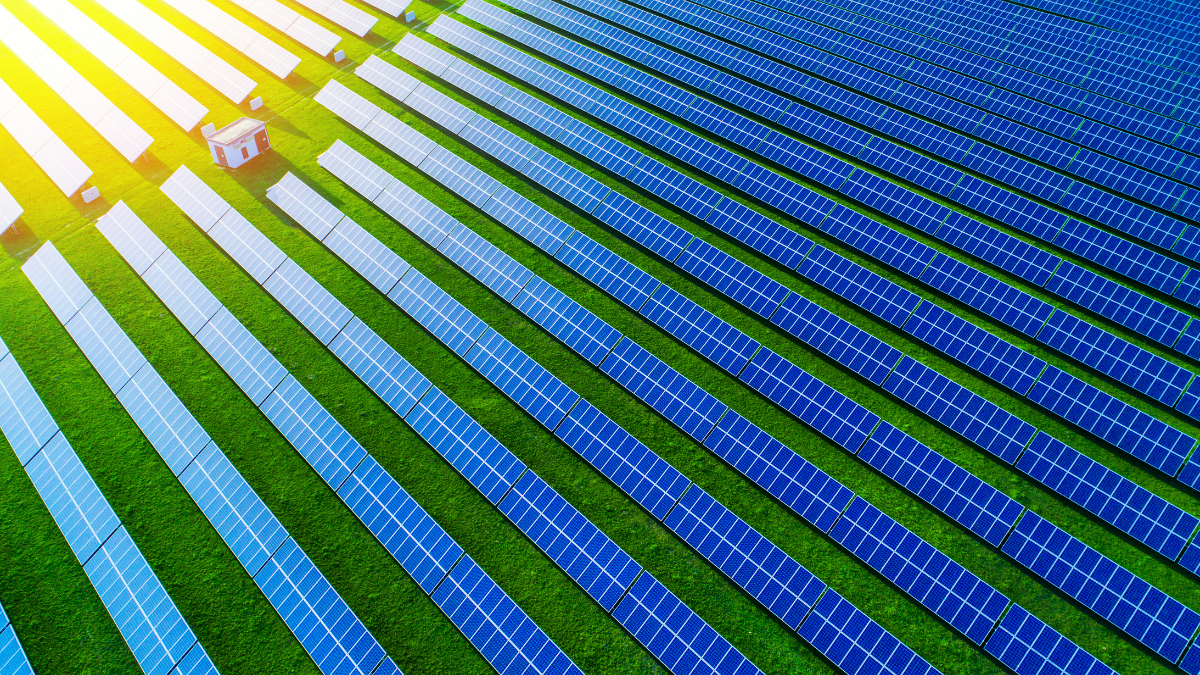
Solar energy continues to lead India’s renewable growth, with installed capacity rising sharply to 150.26 GW, followed by wind energy at 56.09 GW. Distributed renewable energy, especially rooftop solar and schemes like PM KUSUM, played a key role by contributing 16.3 GW during the year. Wind energy also saw record growth, with 6.05 GW added in 2025–26, the highest ever in a single year.
Since 2014, India’s renewable energy capacity has grown 3.59 times, while solar capacity has increased more than 53 times. Wind capacity has also seen steady growth, rising 2.66 times during the same period. Manufacturing capacity has expanded significantly, with solar module production increasing to about 172 GW and wind turbine manufacturing reaching around 24 GW.
The government has also supported this growth through strong financial spending. In 2025–26, around Rs. 24,176.68 crore was spent, which is about 91% of the budget estimate.
These developments show India’s strong commitment to clean energy and its growing role in the global renewable energy landscape.
Subscribe to get the latest posts sent to your email.