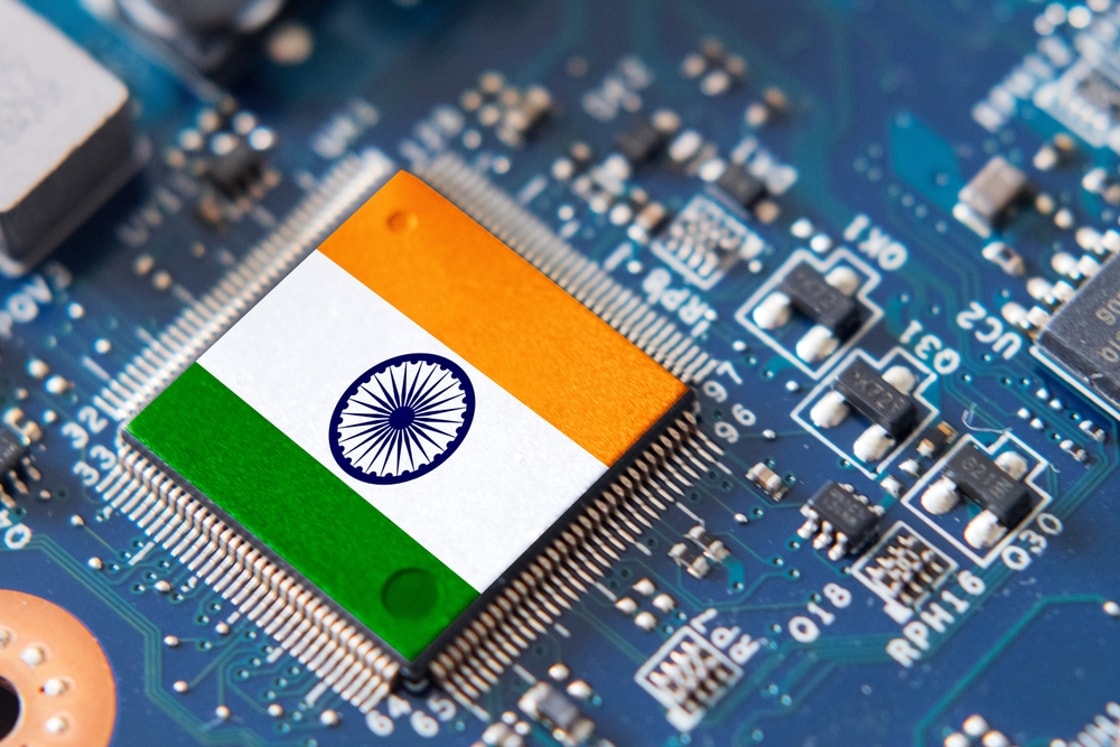
India is weighing a bailout package for its indebted state-owned power distribution companies that could be worth more than $11.3 billion (1 trillion Indian rupees), according to a draft plan by the Indian Power Ministry seen by Reuters.
Indian authorities plan to reorganize the state distribution companies which have been run inefficiently for years and which are a major drag on India’s power system.
The plan, expected to be announced in February, envisages private companies to meet at least 20% of the total power consumption in any given Indian state. Moreover, states will have to assume part of debt of the state-run companies.
States will also have to privatize their electric utilities and transfer managerial control. Alternatively, the states can keep control over the electric companies, but should list them on a stock exchange, per the plan of the Power Ministry seen by Reuters.
India’s federal government is in discussions with state governments to have them buy more renewable sources for power generation, Indian federal Minister of New and Renewable Energy, Pralhad Joshi, said last month.
India, where power demand continues to grow, is accelerating clean energy rollout, betting on more renewable energy sources, despite the fact that it relies heavily on coal for electricity generation.
Earlier this year, India unveiled a national policy on geothermal energy to accelerate the clean energy transition.
The country is also set to launch a nationwide carbon capture and storage program with government incentives of up to 100% of funding for some projects as it aims to reduce emissions from its huge coal power fleet, which continues to rise.
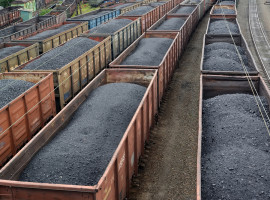
Coal-fired power generation and capacity installations in India continue to rise, and coal remains a key pillar of India’s electricity mix, with about 60% share of total power output.
This jump in installed renewable capacity, however, does not mean renewable power generation will soon replace coal in India, especially if grid constraints and battery and transmission delays persist.
By Tsvetana Paraskova for Oilprice.com
More Top Reads From Oilprice.com
- Equinor’s Q3 Profit Misses Analyst Estimate Amid Lower Oil Prices
- India’s Biggest Refiner Partners with World’s Top Crude Trader
- Copper Soars to Record High on Supply Crunch and Brighter Outlook