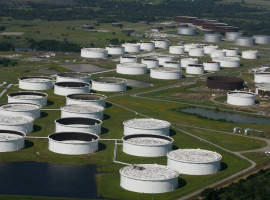
Indian oil refiners are structurally equipped to handle potential disruptions after the United States allowed its key sanctions waiver on Russian seaborne crude purchases to expire. Petroleum Minister Hardeep Singh Puri recently confirmed that India has built adequate energy buffers to navigate global volatility, with the country holding around 60 days of crude oil and liquefied natural gas (LNG) along with 45 days of liquefied petroleum gas (LPG) stockpiles.
“We have not had any difficulty in getting the crudes which we want,” Hindustan Petroleum Corp. Chairman Vikas Kaushal told analysts. “Of course, I would wish they were coming to me $30 cheaper than what they are coming in at, but that’s a different aspect.”
Other than having ample stockpiles, India has several other tailwinds that it can rely on to weather supply disruptions. First off, India is rapidly recalibrating its crude oil imports by pivoting to alternative suppliers following disruptions and tensions in the Middle East. Refiners are actively sourcing prompt-loading spot cargoes from the United States, utilizing Atlantic coast shipping routes, and increasing imports from Oman and Iraq, while the UAE leverages pipelines to bypass the Strait of Hormuz.
Second, China’s virtual absence from the active spot trading market has left a considerable volume of uncommitted global oil available, leaving room for Indian refineries to step in to snap up these excess unassigned barrels.
There is high-level strategy behind China’s absence: China has become the shadow power behind global oil markets, shifting the pricing power away from OPEC by using its massive 1.2 to 1.3 billion-barrel stockpile to distort supply and demand. By slashing its crude imports and reselling excess cargoes, Beijing is hiding major physical shortages, changing how energy markets evaluate physical supply.
Additionally, private refiners in India have scheduled widespread maintenance shutdowns. India’s private and state-run refiners are currently navigating staggered maintenance turnarounds alongside a global energy crisis. While major private refiner Nayara Energy underwent a month-long shutdown starting in April, Reliance Industries has scheduled a 4-week maintenance shutdown for a crude unit at its 660,000 bpd Jamnagar facility in May. This operational slowdown has naturally scaled back immediate crude procurement needs, taking the pressure off spot market volumes.
And finally, India can simply continue buying Russian crude regardless of U.S sanctions, “Regarding (the) American waiver on Russia, I would like to emphasize that we have been purchasing from Russia earlier … I mean before waiver also, during waiver also, and now also,” Sujata Sharma, a joint secretary in the petroleum ministry, told reporters on Monday.
By Alex Kimani for Oilprice.com
More Top Reads From Oilprice.com
- Anglo American Exits Steelmaking Coal With $3.9 Billion Australian Asset Sale
- Russia Quietly Adds Four LNG Carriers to Its Arctic Dark Fleet
- China’s Coal Output Slips as Imports Extend Decline