India is moving into a new phase in its power sector with a strong focus on both growth and clean energy. The Long-Term National Resource Adequacy Plan for 2026–2036, released by the Central Electricity Authority in March 2026, sets a clear direction for how the country will meet rising electricity demand while shifting towards a greener energy mix.
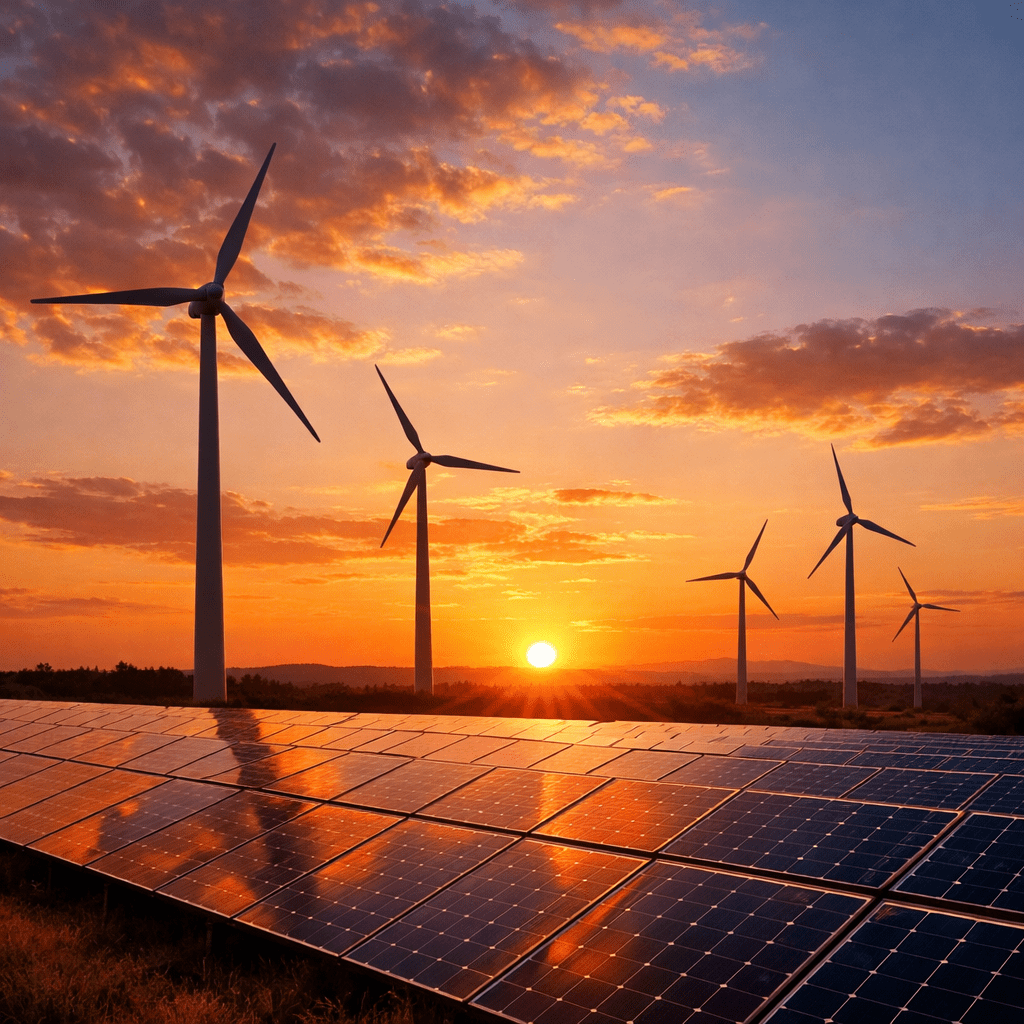
As of January 2026, India’s total installed power generation capacity has reached about 520.5 GW. A major highlight is that more than half of this capacity, around 52%, now comes from non-fossil fuel sources such as solar, wind, hydro, and nuclear. This reflects the country’s steady progress in reducing dependence on traditional fossil fuels. In the last financial year alone, India added a record 52.5 GW of new capacity, of which nearly 43 GW came from renewable energy sources. This shows the fast pace at which clean energy is being adopted across the country.
At the same time, the plan recognises that increasing renewable energy also brings challenges. Solar and wind power are not always available, as they depend on weather conditions. To manage this issue, the report highlights the importance of Energy Storage Systems, including Battery Energy Storage Systems and pumped hydro storage plants. These systems help store excess power when supply is high and release it when demand increases, ensuring a stable and reliable power supply.
The plan also uses advanced modelling tools developed within the country, such as STELLAR, to study how the power system will perform in the future. These tools help planners understand different demand and supply scenarios and ensure that there is always enough capacity available. A key concept used is the Planning Reserve Margin, which ensures that extra power capacity is available to handle sudden increases in demand or unexpected supply shortages.
Looking ahead to 2035–36, the report gives a clear picture of future capacity additions. Around 155 GW of renewable energy projects are already under construction, showing the strong pipeline in the clean energy sector. At the same time, about 41 GW of coal-based capacity is also being developed to provide reliable base load power. In addition, 12.7 GW of hydro projects and 6.6 GW of nuclear projects are in progress, helping diversify the energy mix.
Another important aspect of the plan is the focus on improving efficiency by sharing power resources across different regions. By using demand diversity between states, the system can operate more smoothly and reduce the risk of shortages. This approach will also help in better utilisation of available resources and improve overall grid stability.
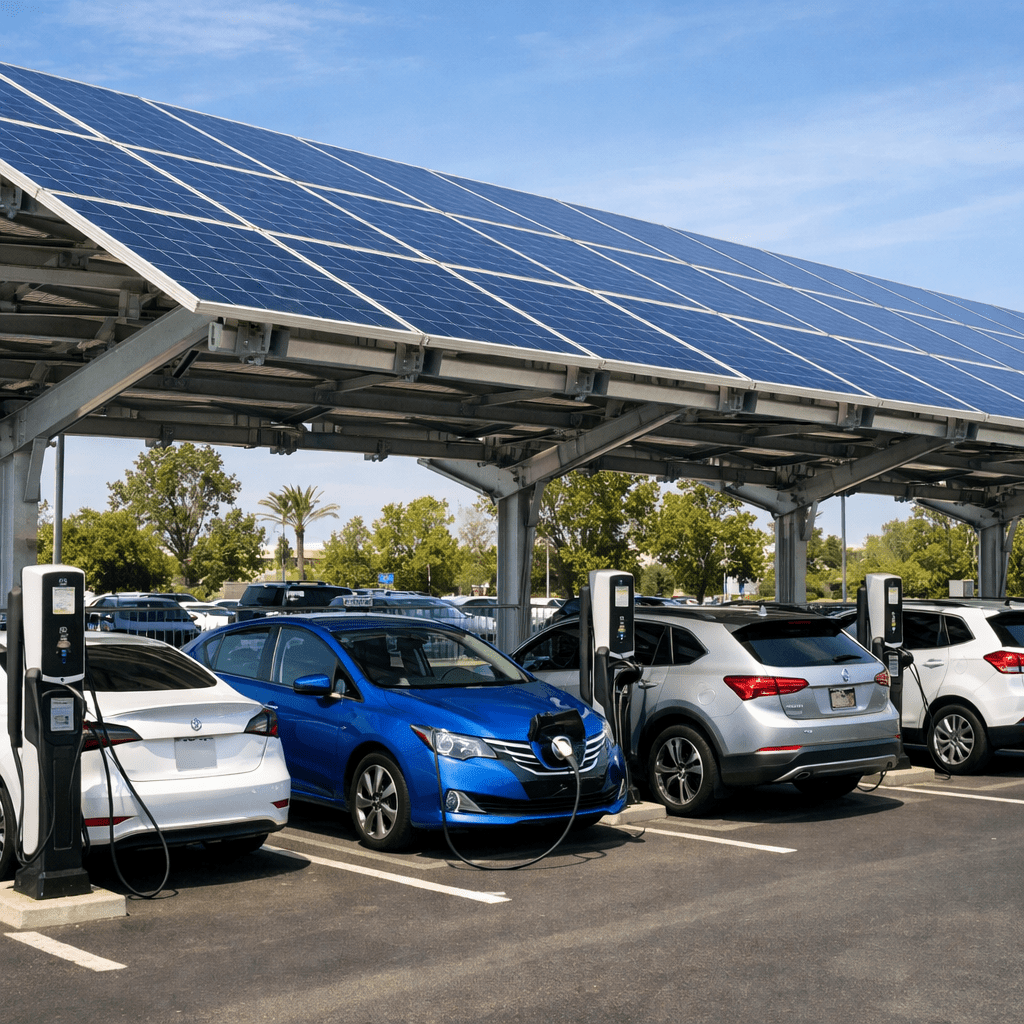
The report also takes into account new types of electricity demand that are expected to grow in the coming years. These include electric vehicle charging and green hydrogen production, both of which will play a key role in India’s energy transition. These emerging sectors will change the way electricity is consumed and require careful planning to meet future needs.
Overall, the plan serves as a guiding framework for states and utilities to align their strategies with national goals. It aims to create a power system that is reliable, cost-effective, and environmentally sustainable. By balancing the need for clean energy with grid stability and economic growth, India is preparing to build a modern and resilient energy system for the future.
Subscribe to get the latest posts sent to your email.