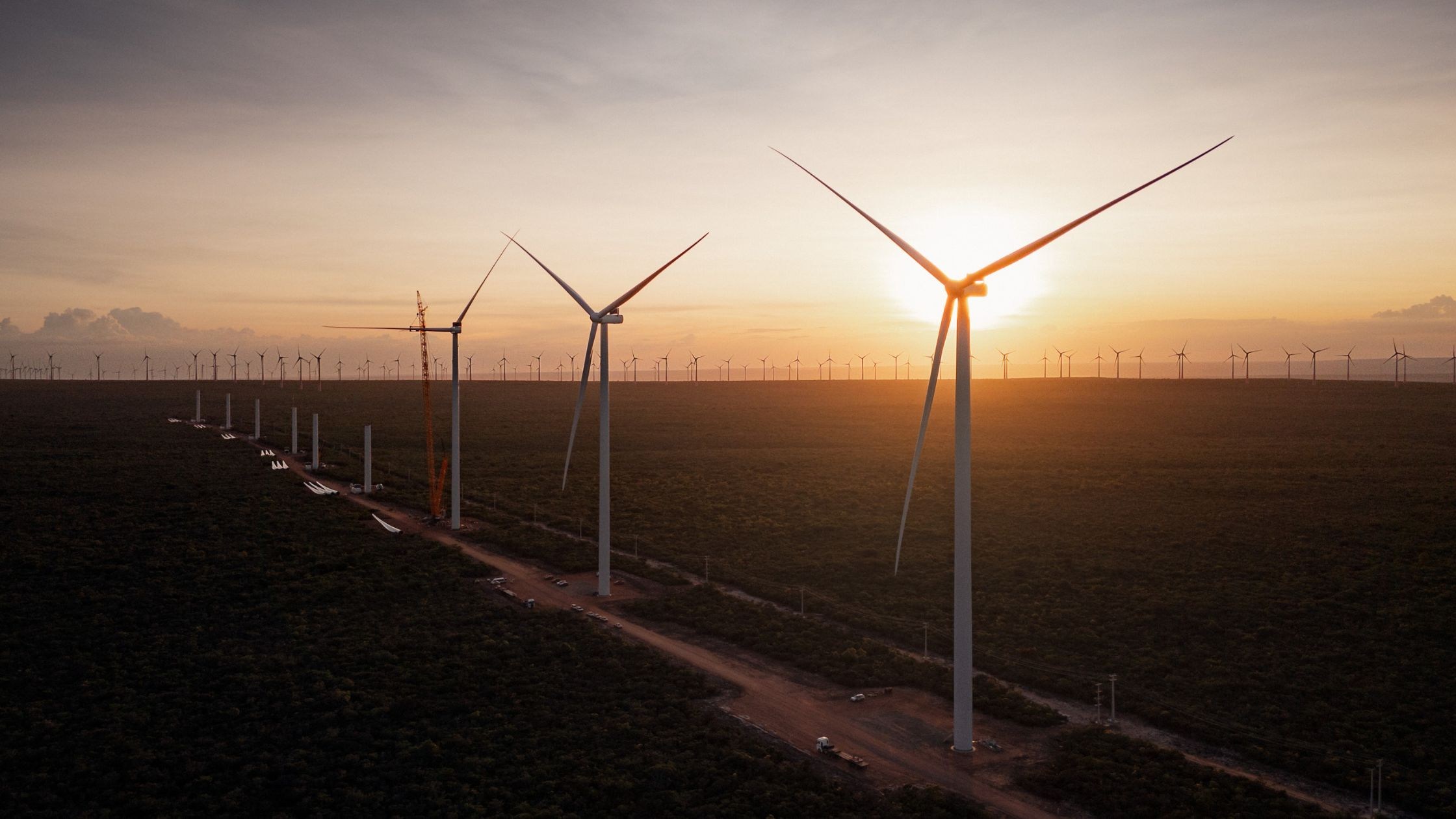
A record jump in renewable power generation and milder weather pushed fossil fuel power generation in India down by 3.3% last year, according to the yearly Global Electricity Review 2026 by clean energy think tank Ember.
India’s power generation from fossil fuels dipped by 52 terawatt-hours (TWh), or by 3.3%, in 2025, due to milder weather conditions and a surge in renewable electricity generation, according to Ember’s analysis.
While fossil fuel-powered generation retreated, India’s renewable power generation from solar, wind, hydro, and bioenergy saw a record increase of 98 TWh, soaring by 24% over 2024. The jump was twice as large as the previous record set in 2022, when India’s renewable power generation rose by 49 TWh, the data by Ember showed.
Solar and wind both set new individual records for annual increases in 2025, rising by 53 TWh, or by 37%, and 22 TWh, or 28%, respectively.
“Mild weather conditions substantially reduced the need for electricity for cooling and heating,” Ember noted.
“Across the year, milder temperatures avoided an estimated 32 TWh of electricity demand compared to 2024, which had seen the opposite effect, with demand growing above structural trends due to hotter weather.”
According to Ember, “Beyond the temporary factors present in 2025, the record additions of renewable generation point to decreasing reliance on fossil generation to meet growing electricity demand.”
India has ambitious renewables targets, especially for solar power capacity expansion, although it continues to rely on coal as the pillar of its power generation and flexible capacity to meet peak demand.
India expects to nearly quadruple its solar power capacity and triple wind power-generating assets within ten years, according to the new Generation Adequacy Plan published by the country’s Central Electricity Authority last month.
Amid the current gas crisis caused by the lack of Middle Eastern LNG supply, India is leaning on coal and renewables to meet demand. India’s Power Minister last month ordered coal-fired power plants to run at full capacity for three months starting April 1, to be prepared to meet peak power demand during the coming summer.
By Tsvetana Paraskova for Oilprice.com
More Top Reads From Oilprice.com
- IEA’s Birol Says Iran War Will Permanently Cut Into Future Oil Demand
- Pakistan Turns to Russia and Venezuela as Middle East Oil Supplies Shrink
- India Pushes Refiners To Boost LPG Output