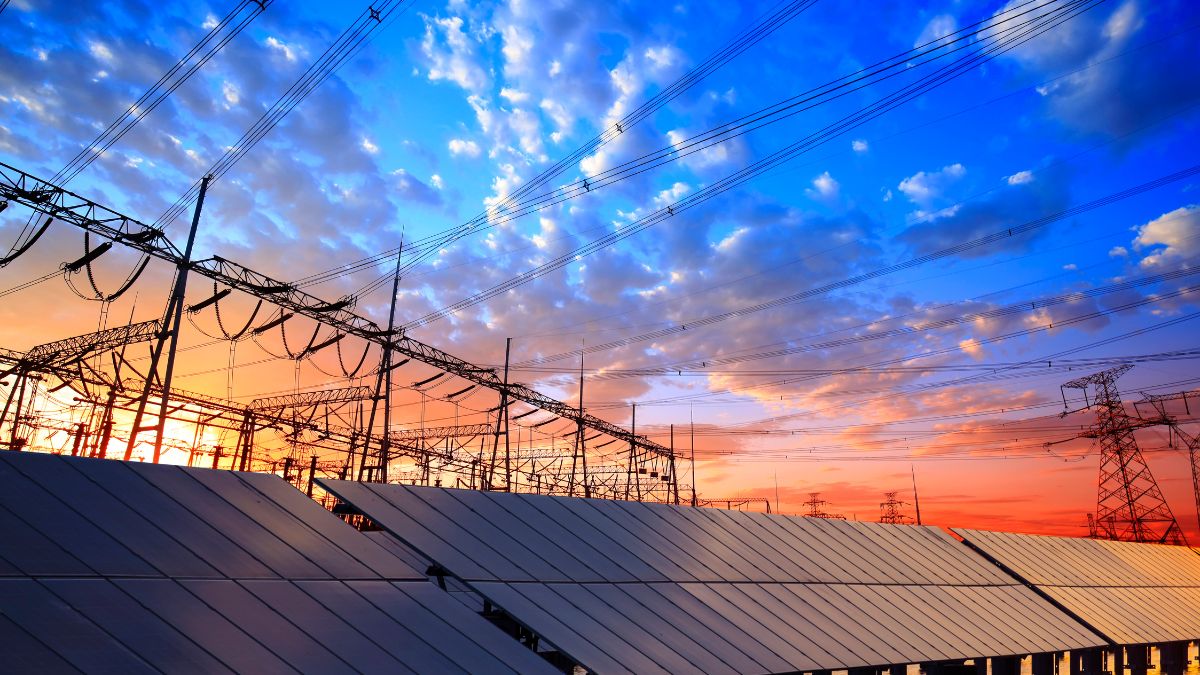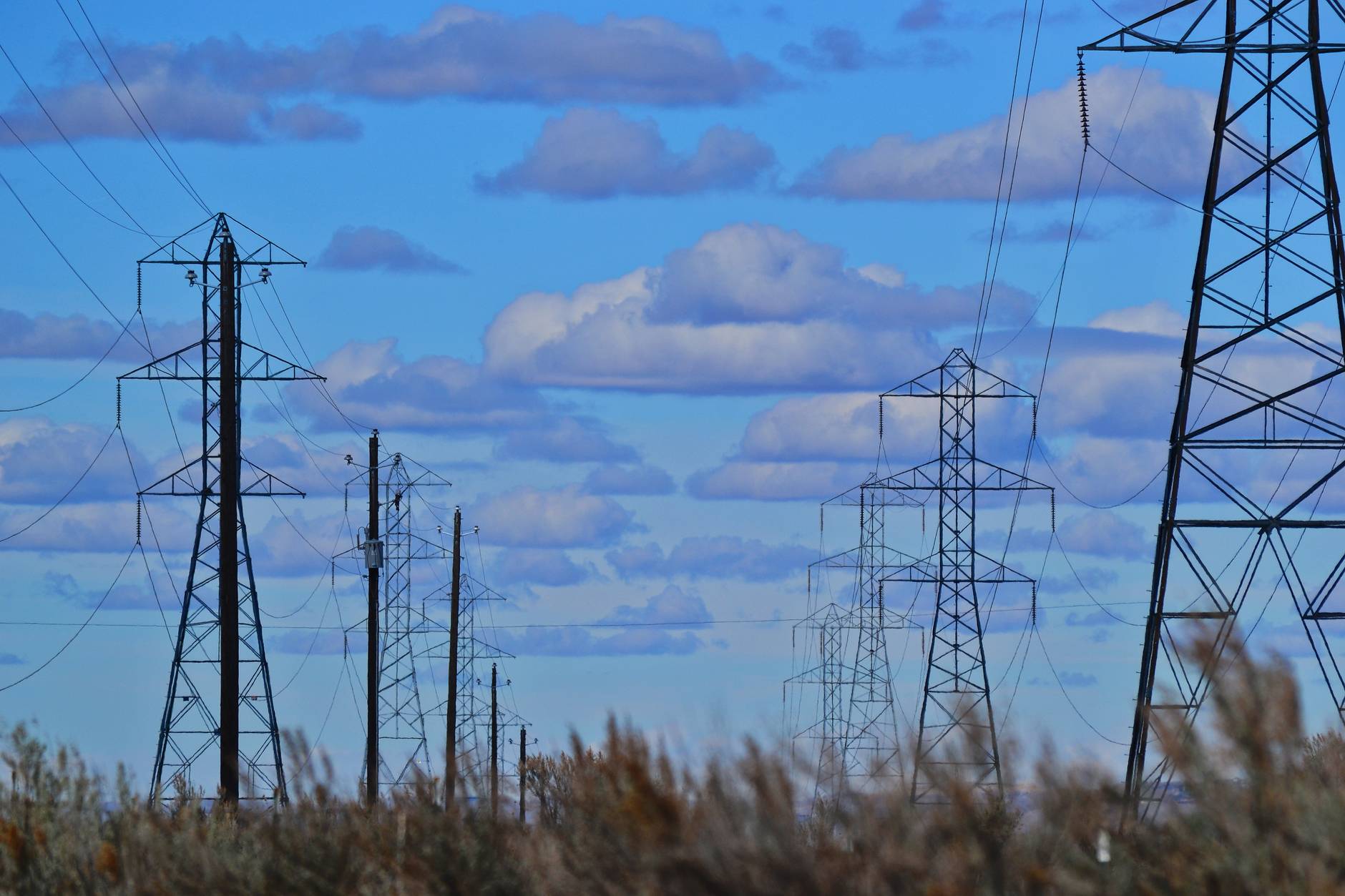
The inter-state transmission system (ISTS) sector in India is set to see a capital expenditure of nearly ₹1 lakh crore over the next two fiscal years, 2026 and 2027. This investment, aimed at supporting renewable energy evacuation, is double the ₹50,000 crore spent between fiscal 2024 and 2025. Strengthening transmission infrastructure is essential as India continues to expand its solar and wind capacity. An estimated 65-75 GW of new renewable capacity is expected to be added over this period, making timely development of transmission projects crucial.
During construction, transmission projects face multiple challenges such as right of way (ROW) issues, forest clearances, and supply chain constraints. However, despite these hurdles, the financial health of developers remains stable due to strong cash flows and access to funding. Analysis of key developers, responsible for 80-85% of the planned capex, shows that they are well-positioned to handle the rising investment requirements.
The process of awarding transmission projects has accelerated in response to increasing demand. Between fiscal years 2024 and 2025, projects worth ₹1.6 lakh crore were awarded, a sharp increase from the ₹35,000 crore awarded during fiscal 2022 and 2023. However, execution delays remain a challenge, with projects facing an average delay of about ten months, and some extending beyond 18 months. Given these delays, it is estimated that transmission connectivity for up to 60 GW of renewable capacity will be in place by fiscal 2027.
To address execution challenges, the Ministry of Power has made amendments to land compensation guidelines for transmission projects. In June 2024, compensation for land under high-voltage transmission towers was increased from 85% to 200% of land value. This change aims to benefit landowners and reduce ROW-related delays. Additionally, ensuring a steady supply of critical components like transformers and high-voltage direct current (HVDC) equipment remains a priority for the timely completion of projects.
These transmission projects are expected to generate a return on equity between 11% and 14%. Although project delays can impact profitability, developers are in a strong position to manage increased capital requirements. Recent equity market fundraising efforts have secured around ₹12,500 crore, while an estimated ₹30,000 crore in free cash flows from existing operational projects will support investment needs over the next two years.
The financial stability of developers is further supported by revenue from transmission service agreements, which typically last 35 years. These projects earn revenue based on line availability and benefit from a reliable payment structure managed by the Central Transmission Utility of India Ltd. Historically, transmission lines have maintained over 99% availability, while collections from distribution companies have exceeded 97%, ensuring steady cash flows.
The government continues to prioritize the expansion and strengthening of India’s transmission network to support growing renewable energy capacity. However, addressing key execution bottlenecks such as project delays, land acquisition issues, and supply chain disruptions will be essential in building a future-ready transmission infrastructure.