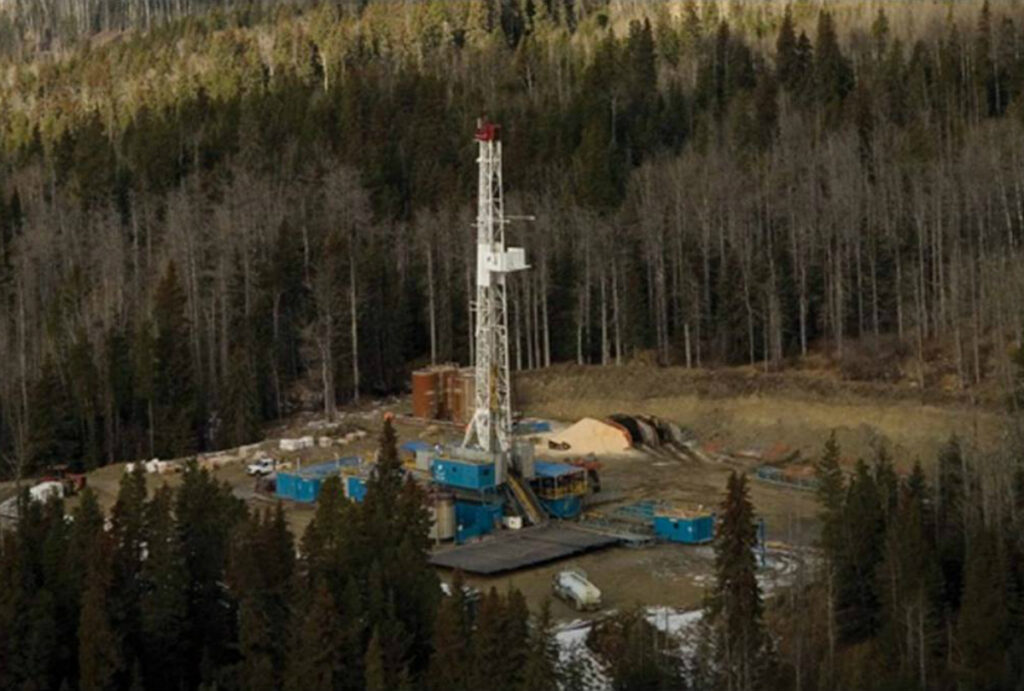
(Reuters) – U.S. shale oil drillers have responded rapidly to the surge in crude prices since the start of the Iran war by ramping up production, but output gains are likely to be far more constrained than in the previous shale boom. The loss of around 13% of the world’s oil supplies due to the blockade of the Strait of Hormuz following the outbreak of the war on February 28 has been a boon for the U.S. oil industry. Benchmark U.S. crude prices have risen roughly 60% since then, to around $107 a barrel. U.S. crude exports have also soared by over 60% from pre-war levels to a record high of nearly 6.5 million barrels per day last month, according to the Energy Information Administration. That has helped plug a significant supply shortfall in Asia and Europe, reinforcing the United States’ role as the world’s new swing producer. U.S. oil production has jumped in recent weeks, reversing the steady decline seen at the beginning of this year. Production rose to 13.7 million bpd, as of May 8, from 13.6 million bpd a week earlier, EIA data showed. It is now expected to exceed 14 million bpd for the first time in 2027, higher than previously forecast, according to the agency’s Short-Term Energy Outlook.
This all marks a sharp turnaround from the gloom that hung over the sector earlier this year, when many expected oil prices to fall sharply amid fears of a global supply glut.
Get the Latest US Focused Energy News Delivered to You! It’s FREE:
These gains reflect the quick response of onshore shale operators such as ConocoPhillips, EOG Resources and Diamondback Energy, which are diverting resources to drill new wells or expand existing ones, primarily in the Permian Basin – the heartland of the U.S. shale industry. Unlike most conventional onshore and offshore oilfields, which require years to expand production, shale wells can typically be brought online within several months. Improved drilling techniques and the growing use of artificial intelligence have boosted recovery volumes and shortened project timelines, enhancing the sector’s ability to respond to price signals.
DUCS AND FRACS
The ramping up of U.S. shale drilling activity has been concentrated in the Permian, which boasts the country’s lowest average drilling costs.
The number of oil rigs has risen for four weeks in a row, hitting 415 last week, the highest since November, according to Baker Hughes, with 60% of them in Texas, where much of the Permian Basin sits.
This concentration of drilling activity is hardly surprising. Oil production in the Permian accounted for 44% of total U.S. output in April, according to the EIA, when it reached a record 6.13 million bpd.
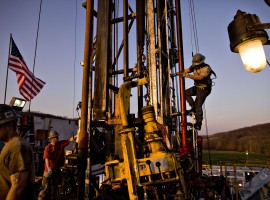
Much of the near-term supply boost is coming from the rapid activation of so-called drilled but uncompleted wells, or DUCs, according to Primary Vision CEO Matt Johnson. These are wells that have already been drilled but not yet hydraulically fractured and connected to production. This inventory provides operators with a relatively quick and capital-efficient way to increase output without committing to a full new drilling cycle. Activity is also picking up in longer-lead operations. The number of crews performing hydraulic fracturing operations – known as the frac spread count – has risen by 20% since the start of the year to 184, signalling output could rise further later at the end of the year, according to Johnson.
PROCEED WITH CAUTION
The responsiveness of U.S. shale underscores the industry’s mastery of fast, efficient drilling techniques since the shale revolution took off in the 2000s, as well as the sector’s new role as a stabilising force during supply shocks.
But there are clear limits. As the Permian and other shale basins mature, operators face a dwindling inventory of top-tier drilling locations, forcing them into more complex, less productive and more expensive wells. Years of investor pressure – following the collapse in oil prices in 2016 after a rapid period of shale expansion – have also forced producers to prioritise spending discipline over volume growth. Heightened price volatility and uncertainty over the longer-term outlook have also continued to temper aggressive expansion plans. For example, ConocoPhillips has only increased its planned 2026 capital spending modestly to a range of $12 billion to $12.5 billion from $12 billion currently. Similarly, EOG Resources plans to raise oil production by 5% in 2026 to around 550,000 bpd, while Diamondback Energy has nudged its annual production guidance to above 520,000 bpd from a previous range of 500,000 to 510,000 bpd. What’s more, Exxon Mobil and Chevron, the two largest U.S. energy companies and major shale producers, are not changing their existing production plans at all despite the elevated price environment. That highlights the industry’s broad reluctance to chase short-term moves too aggressively.
All this means that even though U.S. shale oil production will likely rise in the coming years, it’s unlikely to surge at anywhere near the pace seen in the prior decade.
Shale drillers – once considered the cowboys of the U.S. energy industry – have transformed the United States from a major energy importer into one of the world’s leading exporters. In the process, they have also grown into a more mature, cautious breed.
The opinions expressed here are those of Ron Bousso, a columnist for Reuters.
Ron Bousso; Editing by Marguerita Choy
Share This:
More News Articles