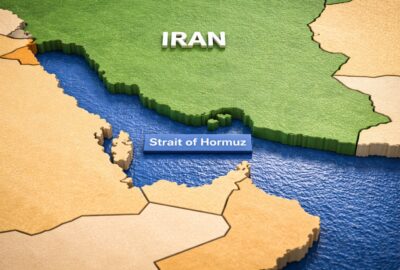
While oil demand destruction deepens with each passing day the Strait of Hormuz remains closed, the longer-term impact of the Iran war may paradoxically work in oil’s favour. Spiking energy security concerns and greater fragmentation could lead to a less efficient, more voracious global energy system. Aggregate worldwide oil consumption is plummeting under the strain of the Iran war, which has reduced global crude supplies by 13 million barrels per day (bpd), or 12%, since the conflict broke out on February 28.
Get the Latest US Focused Energy News Delivered to You! It’s FREE:
Demand has so far been curtailed by around 4 million bpd, roughly 4% of global consumption, according to Russell Hardy, CEO of oil trading house Vitol. Hardy’s estimate of demand destruction is considerably higher than that of the International Energy Agency, which puts the loss at 2.3 million bpd for April. Even so, it still represents the largest monthly collapse in consumption since the depths of the COVID-19 pandemic in 2021.
The IEA expects global oil demand to contract by 80,000 bpd in 2026, a dramatic reversal from its pre-war forecast for 730,000 bpd of growth. Much of that loss reflects refiners, especially in Asia, scaling back operations or shutting units altogether to conserve fuel as supplies from the Middle East dry up. The region normally accounts for around 60% of Asia’s crude imports.
Governments from Sri Lanka to South Korea have compounded this effect by rolling out emergency energy-saving measures including four-day work weeks, work-from-home mandates, restrictions on driving and outright fuel rationing. The surge in diesel and jet fuel prices to record highs of over $200 a barrel has cut deeply into transport demand – grounding aircraft and curtailing shipping activity. This demand destruction is no longer confined to Asia.
It is now spreading to Europe, which relies on the Middle East for around 10% of its crude imports and more than half of its jet fuel demand. After over seven weeks of disruption, inventories are growing dangerously thin.
Parts of Europe’s refining industry have been pushed out of the money. Futures markets are pricing in expectations of a relatively swift recovery in Gulf flows and a subsequent drop in prices, while physical crude remains very hard to source and very expensive.
When the Strait of Hormuz will reopen and how quickly shipping will normalise remain anyone’s guess. If the closure extends into May, global oil demand could contract by as much as 5 million bpd next month.
Should the blockade persist long enough to exhaust both commercial inventories and strategic petroleum reserves, consumption would theoretically need to fall by around 10 million bpd – a tenth of pre-war demand. That’s a highly bearish scenario, but not an impossible one.
CHIPPING INTO OIL DEMAND
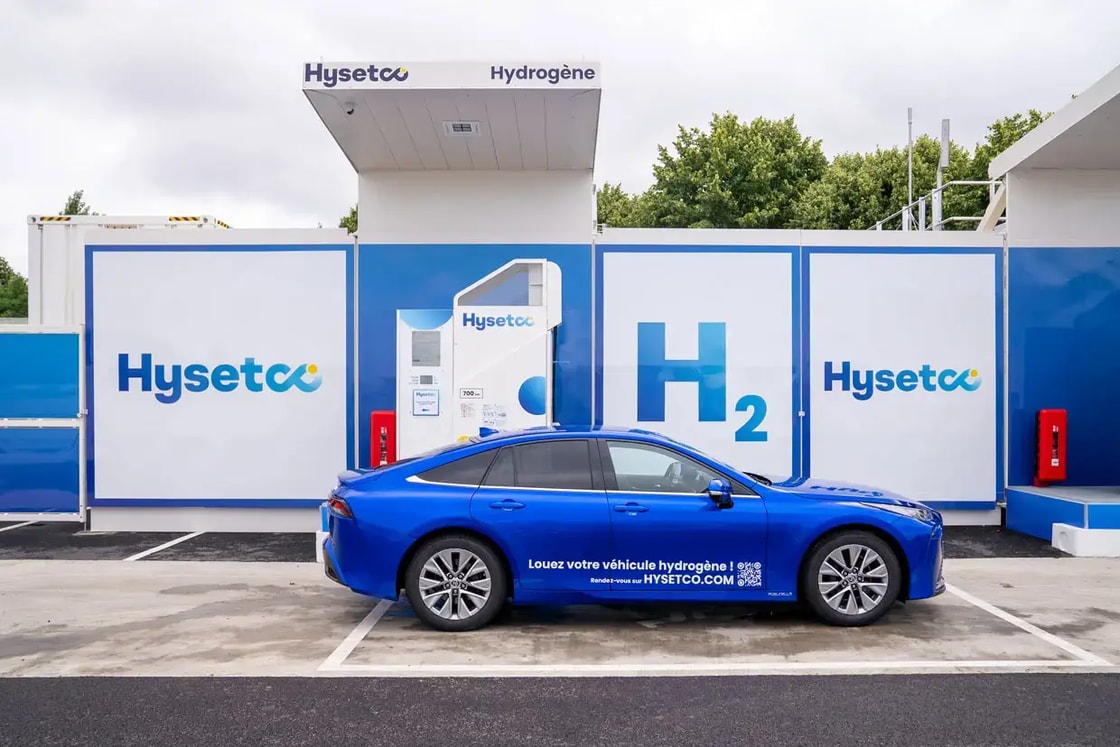
The short-term demand hit makes for gloomy reading. But the conflict may also set in motion longer-lasting changes with a more mixed impact on consumption. First, there’s the accelerating shift away from fossil fuels. U.S. gasoline and diesel prices have risen by around 30% and 40%, respectively, since the war began. Such spikes are likely to speed up electric vehicle adoption. In the U.S., sales of used EVs jumped by 21% in March from a year earlier.
EVs displaced around 1.7 million bpd of oil demand in 2025, according to consultancy Ember — a figure that now looks set to climb more quickly.29dk2902l
Biofuels have also suddenly become far more price competitive, meaning refiners and consumers may turn to them on the margins, further chipping away at oil demand.
THE LASTING EFFECTS OF WAR
Yet the war may usher in – or speed up – changes that push oil demand higher – potentially a lot higher. One catalyst is the scramble by nations to shield themselves from increasingly frequent energy shocks. The Iran conflict erupted barely four years after Russia’s invasion of Ukraine rocked global markets.
A renewed focus on energy security is likely to drive governments to invest more heavily in domestic supply chains — from local oil and gas production to refining capacity and storage. That worldwide duplication of effort could lift aggregate energy demand.
Some of that demand may be met through renewables. But governments prioritising security tend to take an “all of the above” approach to supply, as the cost of limiting options has risen.
Higher defence spending – already a pre-war trend – may lift demand further, through investment in domestic weapons manufacturing, strategic reserves and jet fuel and diesel stockpiles. Finally, the battlefield of the future may involve more technology than tanks. If more countries develop domestic artificial-intelligence infrastructure rather than rely on global hubs, demand from this highly energy-intensive sector could truly skyrocket.
The Iran war has inflicted a severe blow to the global energy system. Many of these immediate effects will unwind once the conflict ends and Hormuz reopens. But others – particularly those reshaping trade, security and industrial policy – may linger.
(The opinions expressed here are those of Ron Bousso, a columnist for Reuters.)
(Ron Bousso; Editing by Marguerita Choy)
Share This:
Next Article
More News Articles