(Update) March 18, 2026, 3:02 PM GMT: Article updated.
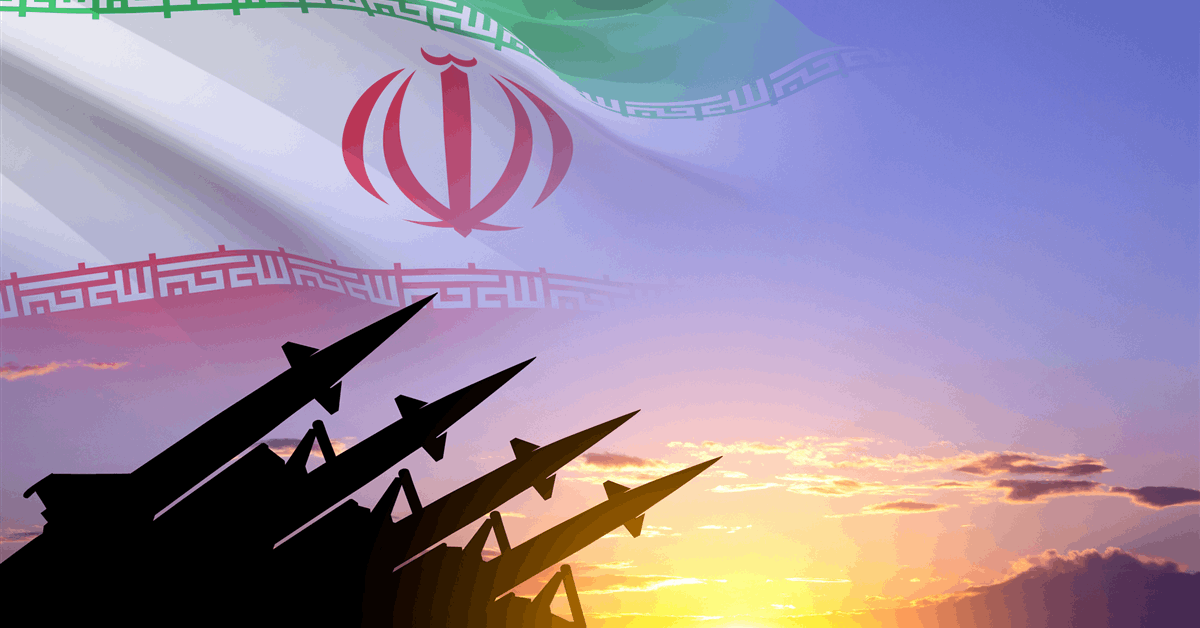
Iran warned Gulf countries that a number of energy assets are now “legitimate targets” after Israel its giant South Pars gas field, sending shockwaves through oil and gas markets.
Facilities in Qatar, Saudi Arabia and the United Arab Emirates are on a list of sites at risk of Tehran’s airstrikes, the semi-official Tasnim news agency reported on Wednesday. Attacks on Iran’s energy infrastructure “will not go unanswered,” Fars reported separately.
Israel carried out the strike on South Pars, a senior official from the country said, asking not to be named discussing sensitive matters. Iraq reported a loss of power generation after Iran halted gas supplies as a result, the latest example of other Middle East countries becoming embroiled in the 19-day conflict.
Iran and Qatar share ownership of South Pars. Israel’s targeting of the field “is a dangerous and irresponsible step,” Qatar Foreign Ministry spokesperson Majed Al Ansari said in a post on X.
Brent crude jumped after Iran’s warning, climbing as much as 6% to more than $109 a barrel. Europe’s gas benchmark jumped as much as 9.1%, according to data from ICE Futures Europe.
Oil prices have soared about 50% since the US and Israel began their war on Feb. 28, triggering an Iranian response that’s seen missiles and drones fired at countries across the Middle East. Regional energy giants have been forced to cut production in response, particularly due to the effective of the critical Strait of Hormuz.
US President Donald Trump — who has repeatedly complained about a lack of interest from presumed allies in joining the war or helping to secure Hormuz — said on social media on Wednesday that countries other than the US should take responsibility for the waterway.
“US allies need to get a grip – step up and help open the Strait of Hormuz,” he said.
Trump temporarily waived a century-old shipping mandate to lower the cost of transporting oil, gas and other commodities around the US, his latest bid to combat the rise in energy prices.
Iran launched fresh waves of missiles and drones at the UAE, Saudi Arabia and Kuwait earlier on Wednesday after confirming the assassination of its security chief, Ali Larijani. It also struck Tel Aviv, killing two people. Israel and the US maintained their bombardment of Iran.
Tehran’s military vowed to avenge the death of Larijani as well as that of Gholamreza Soleimani, the head of the Basij paramilitary unit, which maintains internal security in Iran. Iranian Intelligence Minister Esmaeil Khatib was also killed.
The US said it dropped 5,000-pound bunker-buster munitions on Iranian missile sites near the Strait of Hormuz late on Tuesday. That’s part of Trump’s efforts to reopen the vital waterway to commercial vessels.
Iran, meanwhile, has been through the strait at close to pre-war levels. Crude loadings at Kharg Island also appear to continue undisturbed, despite US strikes on the export hub.
“We need to design new arrangements for the Strait of Hormuz and the way ships pass through it in the future,” Iran’s Foreign Minister Abbas Araghchi told Al Jazeera. The rules should “guarantee that safe passage through the strait takes place under specific conditions.”
In Iran, a strike hit an area at the Bushehr nuclear power plant, according to Russia’s state atomic firm Rosatom, which operates the facility. No Rosatom employees were injured, and about 480 Russian citizens remain at the plant, Chief Executive Officer Alexey Likhachev said, according to Russia’s Tass news agency.
In parallel with the war in Iran, Israel has stepped up an , where it’s fighting the Tehran-backed Hezbollah militant group. Israeli strikes in the country have killed more than 900 people, according to the Lebanese government.
That brings the war’s death toll to more than 4,000, with more than three quarters of the fatalities in Iran. Dozens of others were killed in the rest of the Middle East, while the US has lost 13 military personnel.
Iran’s warning to Gulf countries came two days after the country set a in the UAE ablaze as it stepped up attacks on key energy sites.
Anwar Gargash, a top adviser to UAE President Sheikh Mohamed bin Zayed, said Iran by firing at Arab states. The attacks will drive them closer to Israel and the US, while demonstrating why the region can’t accept Iranian nuclear and missile programs, he said.
Gargash signaled that the UAE may be willing to the Hormuz strait.
Trump reiterated on Tuesday that he started the war to disarm a potent nuclear threat. He claimed, without providing evidence, that Iran was just two weeks away from acquiring a weapon that they would have used “very gladly.” Iran has long denied pursuing atomic weapons and nuclear experts mostly disagree it could have built weapons that quickly.
Iran “is considered, by everyone, to be the NUMBER ONE STATE SPONSOR OF TERROR,” Trump posted on Truth Social on Wednesday. “We are rapidly putting them out of business!”
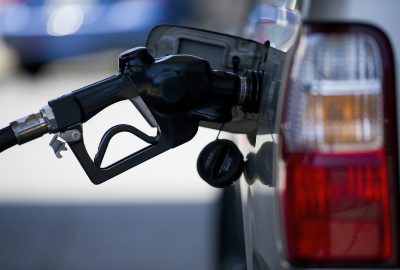
US gasoline prices have soared in recent weeks, rising to around $3.85 a gallon, according to the American Automobile Association. That’s the highest level since September 2023 and is piling pressure on the administration ahead of the November midterm elections.
White House officials are claiming energy prices will drop rapidly once the war ends and are urging Americans to be patient.
In the latest sign of growing domestic opposition to the conflict, Joe Kent, a top counterterrorism official, announced he is in protest against the war, arguing that Israel had dragged the US into the conflict.