The International Renewable Energy Agency (IRENA) has released an energy transition assessment for Iraq in 2025, highlighting both challenges and opportunities as the country seeks to shift towards a more sustainable energy future. The report emphasizes that Iraq is at a crucial stage, where strategic actions are required to diversify its economy, enhance energy security, and align with global decarbonization goals. With its heavy dependence on oil for revenue and power generation, Iraq faces structural barriers, but the report suggests that the country also holds significant untapped potential in renewable energy resources, particularly solar and wind.
The executive summary notes that Iraq’s current power sector is characterized by inefficiencies, frequent blackouts, and a reliance on imported gas, which strains the economy and public finances. The assessment indicates that despite efforts in recent years, power supply has not kept pace with rising demand, driven by population growth and economic needs. This situation has led to energy insecurity and financial stress, which undermine development prospects. The report stresses that adopting renewable energy, enhancing energy efficiency, and reforming the power sector are key to addressing these issues.
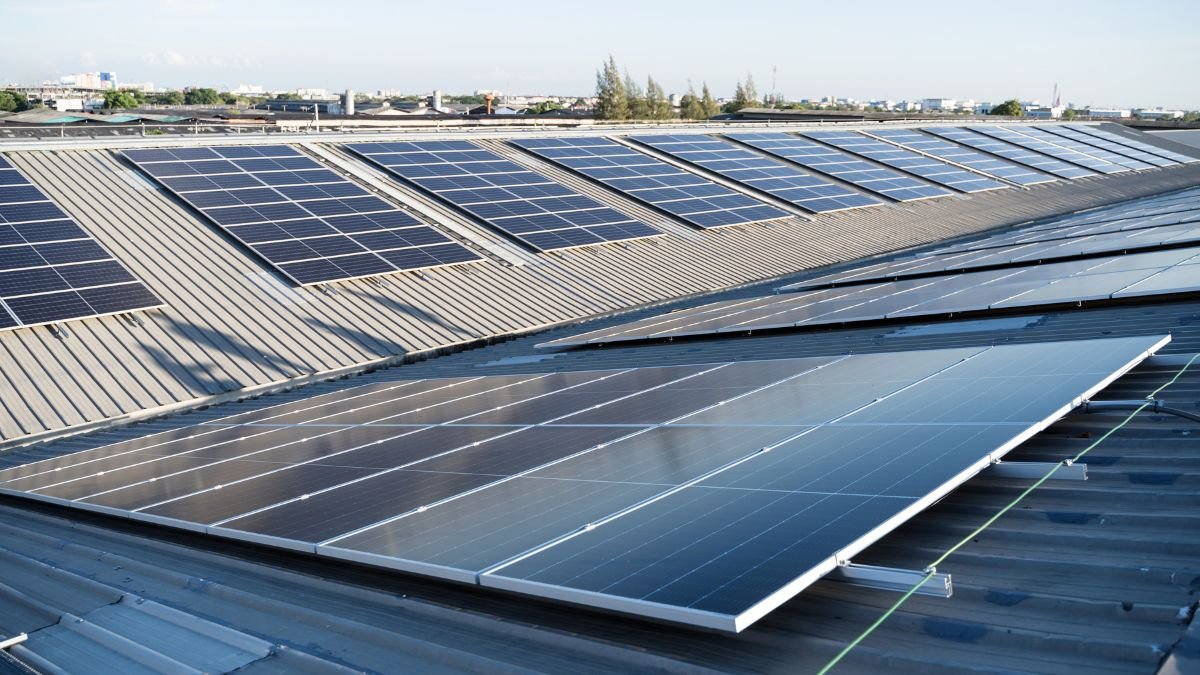
IRENA highlights that Iraq has the potential to deploy up to 30 gigawatts of solar and wind energy by 2030 if supportive policies and investments are put in place. Harnessing this capacity would not only strengthen energy security but also reduce emissions, create jobs, and provide more reliable access to electricity. The report underlines the importance of regional cooperation, public-private partnerships, and regulatory reforms to attract international investors and technology providers. It also suggests that building local capacity through training and skill development will be essential for sustaining the transition.
The report’s analysis shows that Iraq could achieve significant cost savings by shifting away from oil-fired power generation. Renewables, combined with improved grid infrastructure and energy efficiency measures, can provide cleaner and cheaper electricity in the long term. Moreover, the transition could contribute to diversifying Iraq’s economy, which remains vulnerable to fluctuations in global oil prices. The executive summary emphasizes that seizing these opportunities requires strong political commitment, institutional reforms, and a clear long-term vision for the country’s energy future.
In its conclusion, the report reiterates that Iraq’s path to a successful energy transition is complex but achievable. It warns that delaying reforms would further deepen the existing challenges of power shortages, financial instability, and environmental stress. The conclusion stresses that the government must implement clear policy frameworks, incentivize renewable energy deployment, and modernize the national grid. International cooperation will play a vital role in providing financial and technical support, while domestic stakeholders must engage actively in shaping the transition.
IRENA concludes that by prioritizing renewable energy, energy efficiency, and system modernization, Iraq can not only meet its domestic electricity needs more sustainably but also position itself as a regional leader in the energy transition. The report calls for a collective effort involving government, industry, and civil society to drive the transformation. It argues that Iraq’s future prosperity depends on how quickly and effectively it embraces the opportunities of clean energy while managing the risks of its fossil fuel dependency.
Overall, the assessment frames Iraq’s energy transition as both an urgent necessity and a unique opportunity. If addressed with the right strategies and timely reforms, Iraq could secure a more stable, sustainable, and inclusive energy future.
Subscribe to get the latest posts sent to your email.