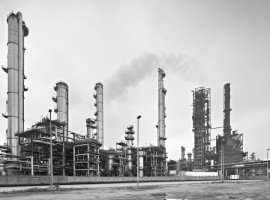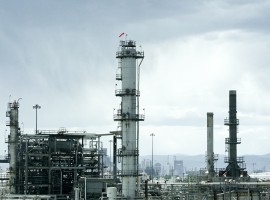
Japan’s refinery utilization rates are rebounding in May as releases from petroleum reserves and increased supply of non-Middle East crude are easing the crude supply crunch seen in March and most of April.
For the first time since March, refiners in Japan have boosted their average utilization rate to above 70% in the past two weeks, data from the Petroleum Association of Japan (PAJ) showed on Wednesday.
Utilization rate of the designed capacity was 73.3% in the week to May 9, following 77.3% utilization rate the week prior to May 2, the data showed.
These run rates compare to utilization rates in the 60% range in April, according to the weekly statistics data released by the PAJ.
Resource-poor Japan is one of the biggest energy importers globally and relied on the Middle East for as much as 95% of its oil imports before the war. Most of the oil comes from Saudi Arabia, Kuwait, the United Arab Emirates, and Qatar. Of these Middle Eastern supplies, about 70% typically arrived in Japan on tankers traveling through the Strait of Hormuz.
As the war choked supply from the Middle East, Japan began releasing oil stocks from national reserves at the end of March, as part of the IEA-coordinated record-high release of 400 million barrels of oil and fuel. Japan is releasing a total of 80 million barrels of oil stocks, including 54 million barrels of crude and 26 million barrels of oil products as part of the IEA’s 400-million-barrel release.
The ongoing stocks release, which is Japan’s biggest, is helping refiners increase throughput. So is alternative supply from producers outside the Middle East, including rare cargoes from Azerbaijan and Latin America.
Some of the largest refiners in Japan, including Cosmo Energy Holdings and Idemitsu Kosan, aim for average utilization rates of more than 90% in the current fiscal year ending March 2027.
Cosmo Energy’s outlook for the fiscal year include assumptions that crude oil production in the Middle East would normalize in August, and crude procurement “from September onward.”
By Tsvetana Paraskova for Oilprice.com
More Top Reads From Oilprice.com
- Europe’s Chemicals Sector Gets a Brief Reprieve
- Brazil’s Oil Exports to China Double as Iran War Upends Crude Flows
- Citi Sees India’s Power Demand Rising 5%-6% Annually Amid Energy Buildout