KERC’s New Guidelines For Determining Captive Power Plant Status In Karnataka

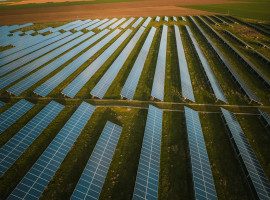
Representational image. Credit: Canva

The Karnataka Electricity Regulatory Commission (KERC) has issued a procedure for determining the “captive status” of electricity generating plants within the state. This is important because the Electricity Act of 2003 and related rules provide certain benefits to plants that qualify as “captive generating plants” (CGPs) and their users.   

The crux of the matter lies in defining what qualifies a power plant as a CGP. According to the Electricity Act of 2003, a CGP is a plant set up by someone to generate electricity primarily for their own use. This includes plants set up by cooperative societies or associations for their members.  The Electricity Rules of 2005 further specify conditions related to ownership and electricity consumption.  Generally, this means that at least 26% of the plant’s ownership must be held by the users, and at least 51% of the generated electricity must be consumed by those users annually.   

These rules also address scenarios where a plant is owned by a Special Purpose Vehicle (SPV) and situations involving multiple owners.  In the case of multiple owners (an “association of persons”), the rules specify how the electricity consumption should be proportional to their ownership shares.   

The KERC’s involvement stems from its responsibility to regulate the electricity sector in Karnataka.  The commission has the authority to determine whether a plant meets the criteria for captive status.  This includes the power to ensure that the rules are followed and to address any misuse, such as disproportionate electricity consumption by a minority owner.   

Recent court rulings, including those from the Supreme Court of India, have further clarified the interpretation and application of these rules.  These rulings have touched on aspects like ownership transfers, the continuous requirement of maintaining ownership and consumption thresholds throughout the year, and the definition of “association of persons.”   

To implement these regulations, the KERC has outlined a procedure for data collection, scrutiny, and verification of captive status.  This process involves the distribution licensee (DISCOM) in whose area the CGP is located.  The DISCOM is responsible for collecting and scrutinizing the necessary information and submitting a report to the KERC.

 

  • Related Posts

    Iraq Removes Customs Duties On Imported Solar Energy Systems To Boost Renewable Energy Adoption

    Iraq’s Council of Ministers has approved the removal of customs duties on imported solar energy systems to encourage the adoption of renewable energy, reduce costs for consumers, and support the…

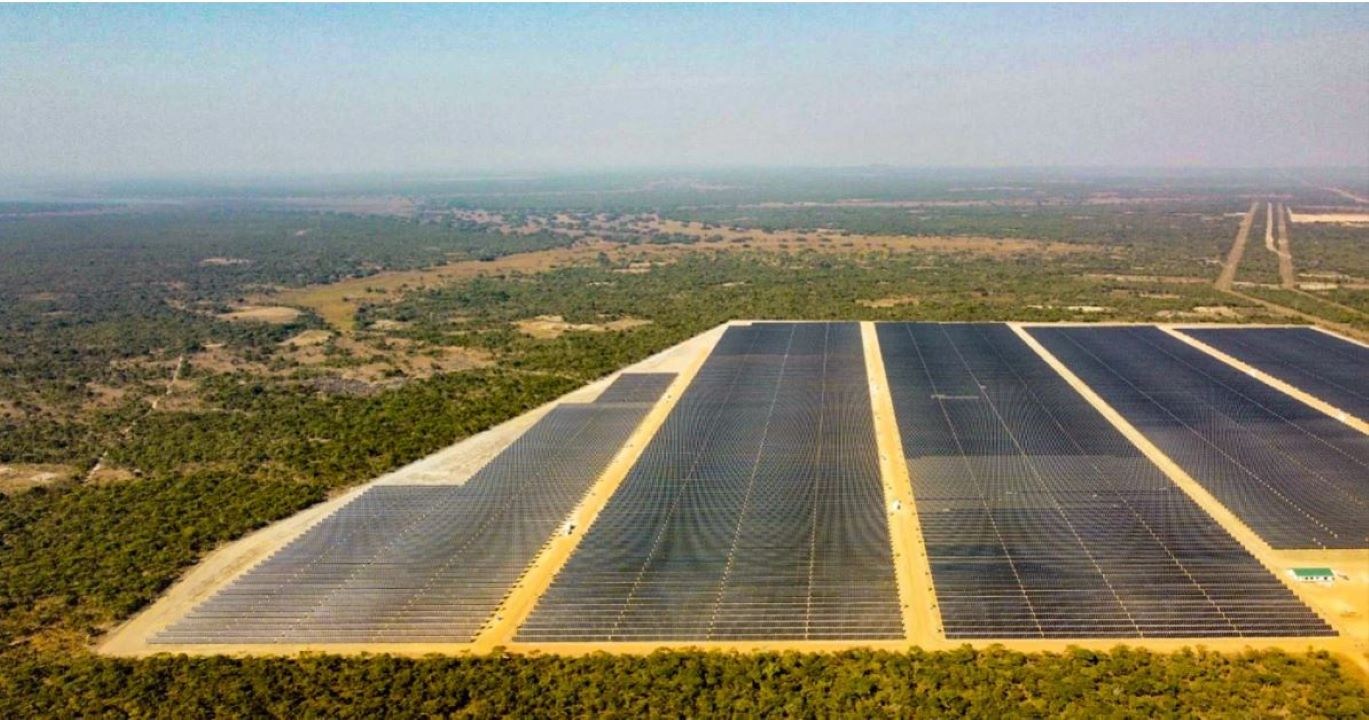
    Solarcentury Africa Commissions 34.5 MWp Mailo 2 Solar Plant in Zambia, Raising Operational Capacity to 59.5 MWp

    Solarcentury Africa has started full commercial operations at the second phase of its Mailo solar photovoltaic (PV) plant in Zambia, adding 34.5 MWp of solar generation capacity to the country’s…

    Have You Seen?

    India’s Middle East Oil Imports Jumped 32% in September

    • October 22, 2026
    India’s Middle East Oil Imports Jumped 32% in September

    Grid Constraints Curtailed 119 GW of Renewables in India in September

    • October 22, 2026
    Grid Constraints Curtailed 119 GW of Renewables in India in September

    European Natural Gas Prices Rise on Middle East Escalation

    • October 22, 2026
    European Natural Gas Prices Rise on Middle East Escalation

    Delorean advances Australia biomethane project towards first gas injection

    • October 22, 2026
    Delorean advances Australia biomethane project towards first gas injection

    Iran Claims Seven Ships Hit in Persian Gulf as Oil Prices Surge

    • October 22, 2026
    Iran Claims Seven Ships Hit in Persian Gulf as Oil Prices Surge

    Record Fuel Prices Accelerate Europe’s EV Sales

    • October 22, 2026
    Record Fuel Prices Accelerate Europe’s EV Sales

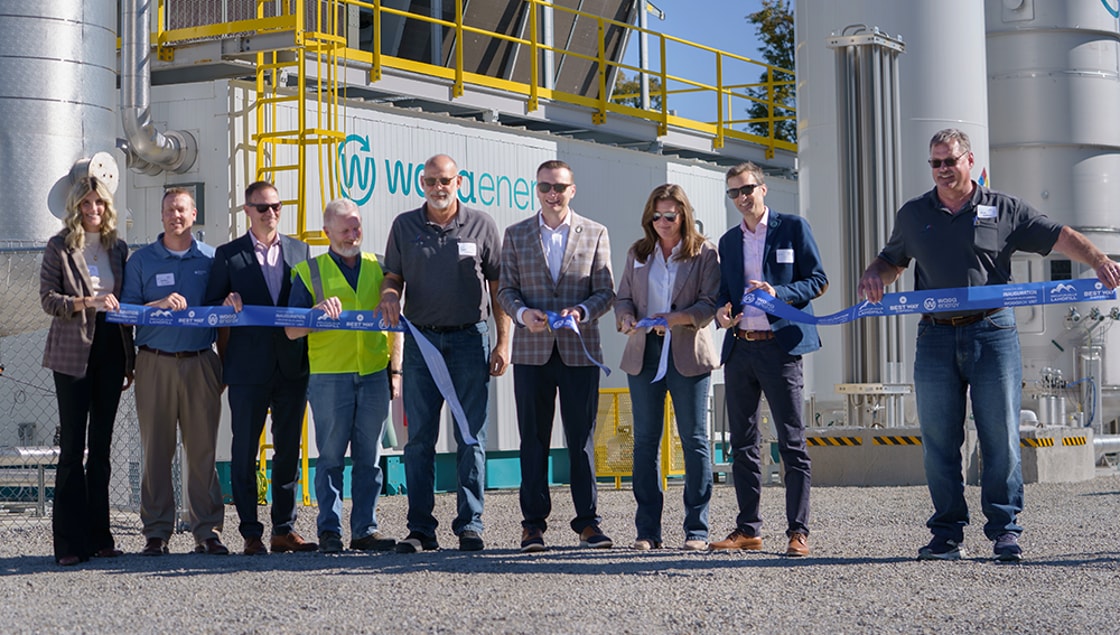
    Waga Energy launches Indiana landfill RNG facility

    • October 22, 2026
    Waga Energy launches Indiana landfill RNG facility

    DAC project in Kenya targets tens of kilotonnes of CO2 for e-fuel production

    • October 22, 2026
    DAC project in Kenya targets tens of kilotonnes of CO2 for e-fuel production

    Iraq Removes Customs Duties On Imported Solar Energy Systems To Boost Renewable Energy Adoption

    • October 22, 2026
    Iraq Removes Customs Duties On Imported Solar Energy Systems To Boost Renewable Energy Adoption

    Solarcentury Africa Commissions 34.5 MWp Mailo 2 Solar Plant in Zambia, Raising Operational Capacity to 59.5 MWp

    • October 22, 2026
    Solarcentury Africa Commissions 34.5 MWp Mailo 2 Solar Plant in Zambia, Raising Operational Capacity to 59.5 MWp