KSEBL Secures Approval For 500 MW Solar Power Deal With SECI At ₹3.41–₹3.42 Per kWh

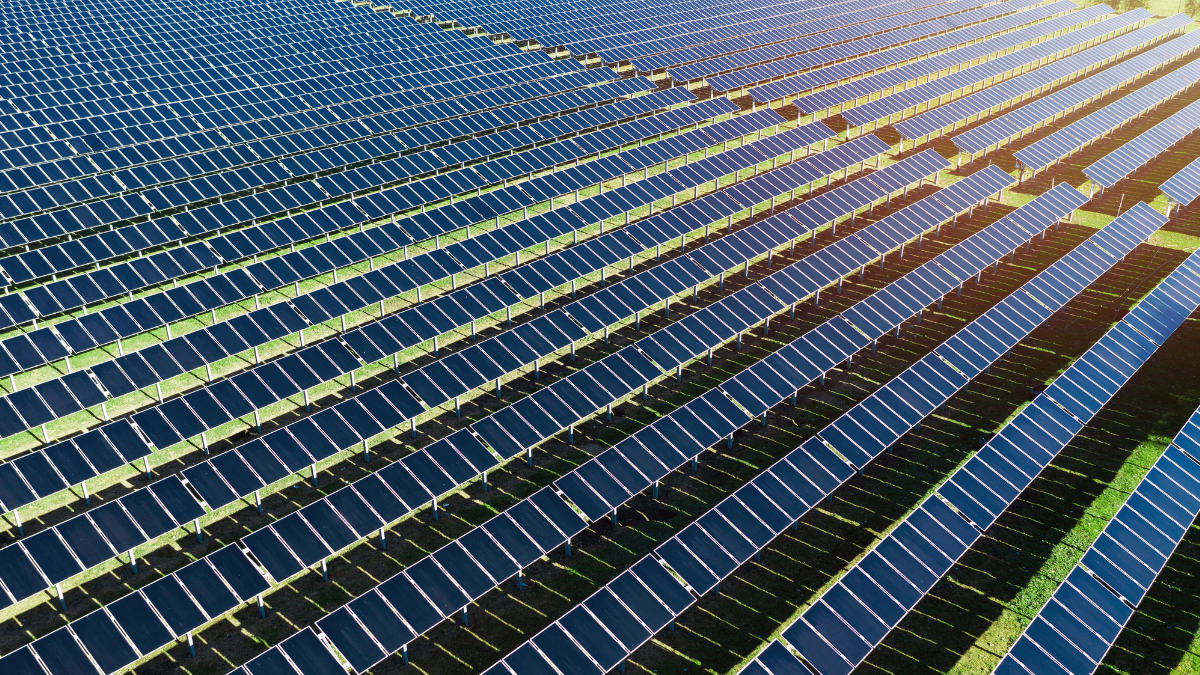
Representational image. Credit: Canva

The Kerala State Electricity Regulatory Commission recently addressed a petition by the Kerala State Electricity Board Ltd. (KSEBL) regarding the approval of a Power Sale Agreement (PSA) signed with the Solar Energy Corporation of India (SECI). This agreement facilitates the procurement of 500 MW of solar power with 250 MW available for peak power during specific hours. The initiative falls under the ISTS Tranche XV Scheme, a project aimed at integrating renewable energy with energy storage solutions to ensure a stable power supply.

KSEBL submitted the petition in October 2024, citing the importance of renewable energy storage in meeting rising power demands and fulfilling Renewable Purchase Obligations (RPO). The PSA, signed in September 2024, outlines a 25-year commitment to source power from solar developers identified through SECI’s competitive bidding process. The scheme features energy storage systems to provide two hours of firm peak power daily, enhancing operational reliability.

SECI, established by the Government of India to promote renewable energy, acted as an intermediary procurer. After conducting a transparent bidding process in July 2024, it finalized agreements with developers to deliver the required energy. Key developers included Pace Digitek Infra, Hero Solar Energy, and ACME Solar Holdings, with tariffs ranging between ₹3.41 and ₹3.42 per unit. The project’s commissioning is scheduled for September 2026, two years after the agreement date.

During the hearing, KSEBL highlighted the scheme’s role in addressing peak-hour energy deficits and optimizing the energy mix. The proposal also aligns with global trends where commercial and industrial consumers increasingly prefer green tariffs. However, the Commission expressed concerns about the estimated cost of power at the Kerala periphery, expected to range from ₹3.94 to ₹3.95 per unit, including interstate transmission charges and losses. While the guaranteed peak power is advantageous, the low capacity utilization factor (CUF) of 25–27% raises questions about cost-effectiveness.

The Commission directed KSEBL to evaluate and optimize power procurement strategies further. It emphasized the need for a comprehensive resource adequacy plan that considers cost impacts and supports long-term sustainability. Additionally, the Commission suggested early project commissioning to reduce interstate transmission charges, potentially lowering power costs to ₹3.79–₹3.80 per unit.

In its final order, the Commission approved the PSA with conditions and recommendations. It advised KSEBL to collaborate with SECI and developers to expedite project timelines and ensure optimal implementation. This decision reflects a balanced approach, supporting renewable energy integration while addressing economic considerations.
 

  • Related Posts

    Department Of Energy  Streamlines Rules For Zero-Export And Micro-Solar Systems In The Philippines

    The Department of Energy (DOE) has issued Department Circular No. DC2026-08-0017, introducing a streamlined policy framework to make the installation and operation of small-scale, own-use solar power systems easier for…

    LONGi Partners With FC Bayern Munich to Promote Solar Energy and Sustainability Through Global Collaboration

    LONGi has announced a global partnership with German football club FC Bayern Munich, bringing together the solar technology company and the Bundesliga club as part of a collaboration focused on…

    Have You Seen?

    Department Of Energy  Streamlines Rules For Zero-Export And Micro-Solar Systems In The Philippines

    • August 10, 2026
    Department Of Energy  Streamlines Rules For Zero-Export And Micro-Solar Systems In The Philippines

    LONGi Partners With FC Bayern Munich to Promote Solar Energy and Sustainability Through Global Collaboration

    • August 10, 2026
    LONGi Partners With FC Bayern Munich to Promote Solar Energy and Sustainability Through Global Collaboration

    Fujiyama Commissions 2 GW Power Electronics Manufacturing Facility in Madhya Pradesh

    • August 10, 2026
    Fujiyama Commissions 2 GW Power Electronics Manufacturing Facility in Madhya Pradesh

    Oil Price Uncertainty as Negotiations Continue

    • August 8, 2026
    Oil Price Uncertainty as Negotiations Continue

    ADNOC Reports 15 Vessel Attacks as Hormuz Risks Mount

    • August 8, 2026
    ADNOC Reports 15 Vessel Attacks as Hormuz Risks Mount

    Sembcorp Gets Conditional Approval for 300 MW Malaysia-Singapore Renewable Power Project, with 2.2 GWp Floating Solar and 4.3 GWh BESS

    • August 8, 2026
    Sembcorp Gets Conditional Approval for 300 MW Malaysia-Singapore Renewable Power Project, with 2.2 GWp Floating Solar and 4.3 GWh BESS

    Delhi’s Clean Energy Transition: IEEFA-Ember Study Calls for Battery Storage and Rooftop Solar as Demand Rises to 38,482 MU

    • August 8, 2026
    Delhi’s Clean Energy Transition: IEEFA-Ember Study Calls for Battery Storage and Rooftop Solar as Demand Rises to 38,482 MU

    US Energy Firms Leave Rig Count Unchanged in Latest Week, Baker Hughes Says

    • August 8, 2026
    US Energy Firms Leave Rig Count Unchanged in Latest Week, Baker Hughes Says

    US Senate Passes Sweeping Russia Energy Sanctions, Next Stop US House

    • August 8, 2026
    US Senate Passes Sweeping Russia Energy Sanctions, Next Stop US House

    Hundreds of Millions in Grid Deposits Linger in Uncertainty Following Texas Data Center Pause

    • August 8, 2026
    Hundreds of Millions in Grid Deposits Linger in Uncertainty Following Texas Data Center Pause