Around one-tenth of the world’s population, especially in parts of Africa, still lives without access to electricity, relying on harmful and costly lighting sources like kerosene lamps and flashlights. Grid expansion is expensive and often unaffordable for remote, low-income communities. In this situation, solar lighting kits have emerged as an affordable, sustainable alternative. To understand their impact, a study was conducted in rural Ghana by Kleinman Center for Energy Policy where solar lighting kits were distributed free of charge to low-income households. The was to measure improvements in economic conditions, education, health, and overall well-being without the barrier of cost.
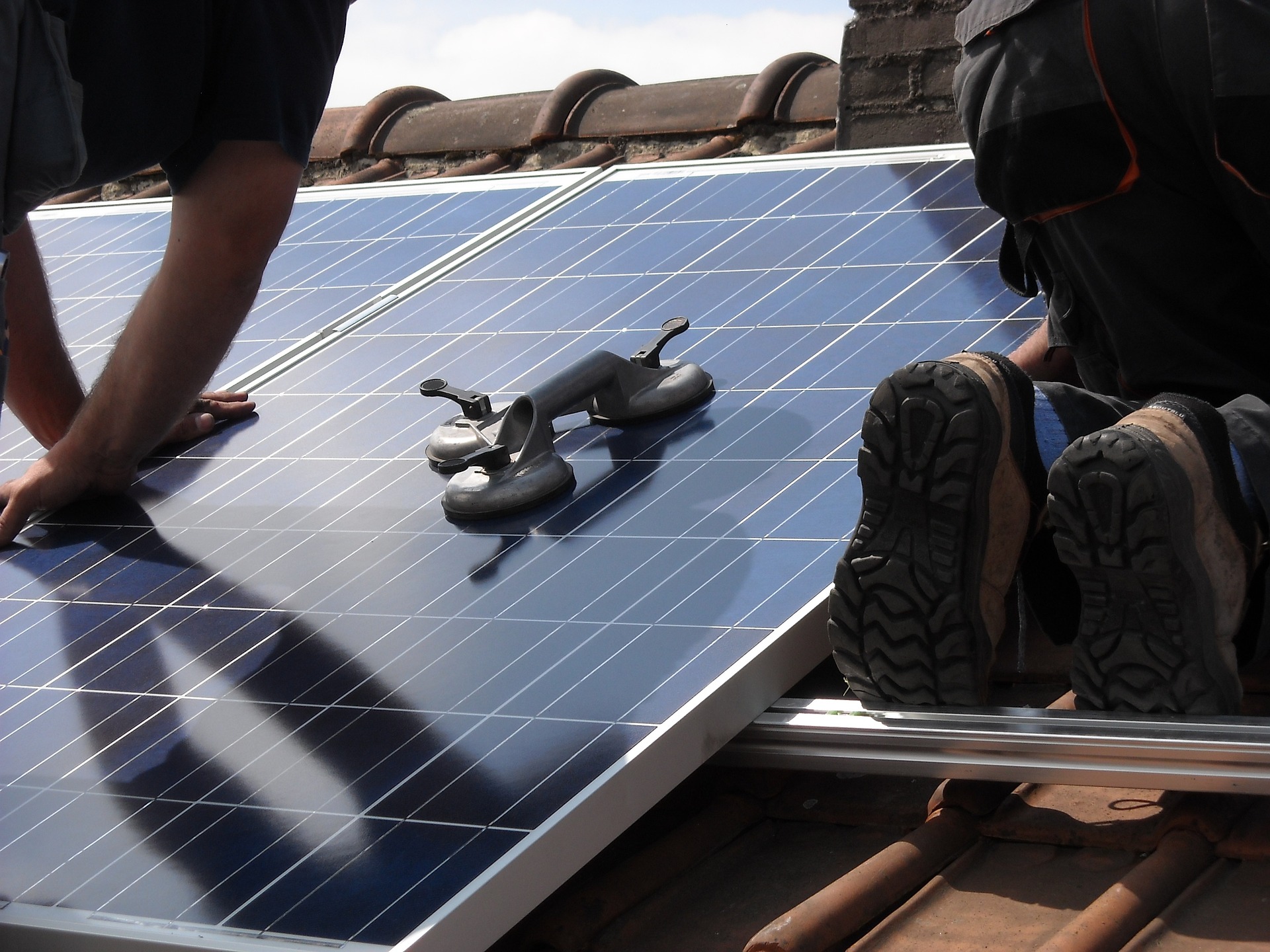
In the study, 807 households across 26 villages received solar kits, while 197 households in 6 villages served as a control group. The kits varied in brightness and the number of bulbs, but each came with a solar panel, battery, and USB ports for device charging. Data collection spanned one year through surveys and collaboration with local schools.
The results were remarkable. Households that received solar kits saw significant reductions in their energy-related expenditures. Before the intervention, families spent considerable amounts on flashlights, batteries, small solar lamps, and mobile phone recharging at village shops. After receiving the kits, expenses for these items dropped sharply. On average, treatment households saved about 250 Ghanaian cedis (GHS) per quarter or around 83 GHS per month. Considering that the average monthly income was 400 GHS, this saving accounted for about 21% of a household’s income, a meaningful impact for poor families.
The study also found positive spillover effects. With the ability to charge mobile phones at home, households reduced transportation expenses by about 20 GHS per quarter. Better lighting helped repel mosquitoes and deter reptile attacks, leading to a reduction in medical expenses by 10 GHS per quarter. Although savings on food and tempting items like alcohol and cigarettes did not show significant change, the study revealed an overall improvement in the quality of life. Villages became safer with fewer thefts, and people reported feeling a stronger sense of self-esteem and community pride.
Importantly, the study observed notable educational benefits. Although school absenteeism did not change significantly, children in the treatment group studied 20 minutes more per day and scored 13 percentage points higher on average in school exams compared to children in the control group. Teachers and headmasters noticed improvements in students’ enthusiasm, homework completion, and classroom participation. These academic gains were particularly strong among students who had lower performance levels at the start.
Another interesting aspect was how households used their savings. Initially, families spent part of their saved money on rechargeable USB devices like radios and flashlights. Larger investments took time. About two years after the solar kits were distributed, many households had invested in farming activities, such as buying crop spraying machines, hiring labor, and expanding cultivated land, with an additional investment of about 1,100 GHS on average. This showed that while immediate small savings were beneficial, the true long-term gains came through patient accumulation and reinvestment.
From the donor’s perspective, the investment in solar kits yielded a return of over 200% annually. For instance, a kit costing about 315 GHS led to savings of about 1,000 GHS annually in the lives of the recipients. This makes donating solar lighting kits one of the most impactful and high-return philanthropic activities available.
The findings from this study strongly support policies encouraging the spread of solar kits in off-grid, low-income regions. Solar lighting solutions not only reduce financial burdens and improve health and education outcomes but also enable poor households to invest in productivity improvements, leading to long-term economic betterment. The success of this initiative shows that clean, reliable light can indeed change lives in meaningful and lasting ways.