By
14 min ago 2 min read
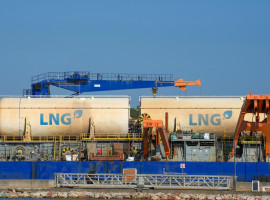
LNG prices will remain elevated for the next 18 months come what may in the Middle East crisis.
That was one of the key takeaways from Wood Mackenzie’s LNG conference in London this week, with the absence of damaged Qatari capacity and delays on projects under construction keeping the market tight.
But there was “near unanimity” that LNG will remain central to the global energy mix beyond the crisis.
Wood Mackenzie’s forecast that demand will grow by almost 60% by 2035 – up to 690 million tonnes per annum (mtpa) – assuming a swift resolution of the conflict, didn’t attract any pushback from delegates.
Despite near-term concerns over prices, it forecasts the arrival of 250 mtpa of new capacity coming onstream over the next five years will usher in a period of oversupply and lower prices.
In terms of supply shifts from the conflict, it is too early to pick favoured sources, it found.
The US offers scale, though concentration risk is a concern for some buyers.
Mozambique, Argentina and Canada are among the other leading alternative sources to the Middle East, with an Australian renaissance a possible wildcard. Floating LNG is increasingly a development theme, illustrated by .
More likely there will be additional investment in LNG capacity outside of the Middle East by the leading protagonists.