By
20 min ago 4 min read
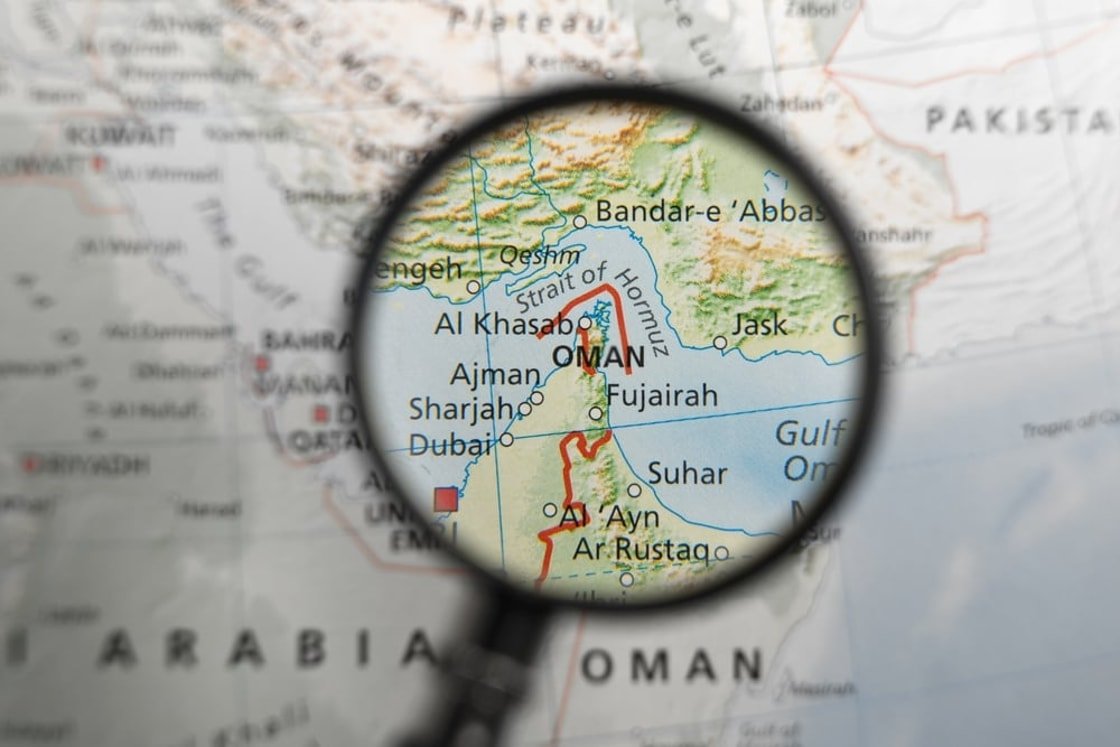
The number of liquefied natural gas (LNG) tankers exiting the Strait of Hormuz reached its highest monthly level since the US-Iran conflict began in February, although Qatari shipments remain far below pre-war levels.
A total of 31 laden LNG carriers transited the strategic waterway in October, up from 23 in September, according to vessel-tracking data from S&P Global Energy reported by Reuters.
Of October’s movements, 23 vessels had loaded cargoes at Qatar’s Ras Laffan export complex, while eight departed from the UAE’s Das Island.
S&P Global Energy said UAE transits had returned to pre-war levels, while Qatar had recovered to more than 30% of its previous transit volumes, reported Reuters.
Separate data from Kpler showed that 42 LNG cargoes were loaded in October, compared with 27 in September.
Loadings at Ras Laffan reached 35 cargoes, exceeding 2.7 million tonnes of LNG and marking the highest monthly total since the conflict began. Qatar exported almost 6.2 million tonnes in February.
The figures indicate a gradual recovery in Gulf LNG exports, although shipping activity remains uneven between the two major producing countries.
Two vessels carrying LNG from Ras Laffan that exited the strait in October subsequently conducted ship-to-ship (STS) transfers off Oman’s Sohar anchorage, according to Kpler data cited by Reuters.
Alternative shipping arrangements
The latest transfers follow several similar operations involving Qatari and Emirati cargoes in August, when three LNG shipments were transferred between vessels outside the Strait of Hormuz as operators sought to deliver supplies.
Among those movements, the GasLog Shanghai transferred a cargo loaded at Ras Laffan to the GasLog Savannah off Oman.
A second QatarEnergy-controlled vessel, Al Rekayyat, transferred its cargo to the Tembek off the UAE, with the LNG subsequently delivered to India’s Dahej terminal.
An ADNOC-controlled carrier, Mraweh, also transferred a cargo loaded at Das Island to the LNG Enugu off Oman, with the receiving vessel subsequently heading towards Japan.
STS transfers allow LNG to be moved between carriers without requiring an onshore terminal, providing additional flexibility when conventional shipping routes are disrupted.
The gradual improvement in shipping activity comes against a backdrop of major disruption to global LNG supply.
The International Energy Agency (IEA) recently projected that global LNG supply in 2026, equivalent to almost 20 billion cubic metres (bcm), if trade flows through Hormuz remain largely disrupted until the end of the year.
It would represent the largest annual decline in LNG supply on record.
The IEA reported that LNG loadings from Qatar and the UAE fell by more than 60 bcm year-on-year between March and October.
This was partially offset by a 14% increase in production from non-Gulf suppliers, adding more than 40 bcm over the same period.
The disruption has also accelerated the movement of LNG cargoes from the Atlantic Basin towards Asian markets, with the IEA reporting that Asian buyers doubled their imports from the region year-on-year between March and October, primarily sourcing additional volumes from the US.
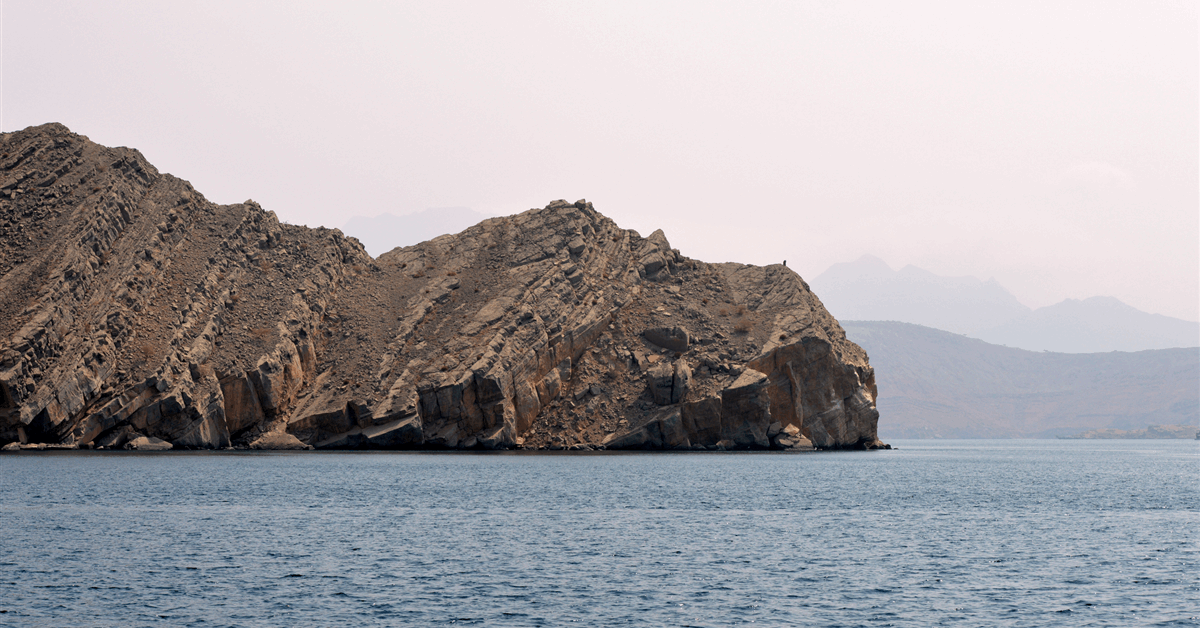
Around a fifth of global LNG trade typically passes through the Strait of Hormuz, making the waterway a critical chokepoint for international gas markets.
The to cross the strait and dock following the US-Iran peace agreement in June was the Malta-flagged Disha, which delivered 62,370 tonnes of Qatari LNG to India’s Dahej terminal.
The vessel had been stranded on the western side of the strait for more than three months as the conflict escalated.