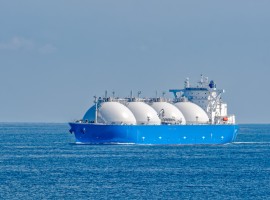
A major heatwave and soaring data center electricity consumption are driving Malaysia’s power demand to record highs, pushing the world’s fifth-largest LNG exporter to increase domestic gas use for power generation.
Malaysia’s state energy firm Petronas has increased LNG supply from domestic offshore fields to peninsular Malaysia, where 80% of national power demand is concentrated, according to data and analysis by Reuters.
Power demand in peninsular Malaysia jumped by 11.5% in April from a year earlier, per data from Grid System Operator (GSO) cited by Reuters. Last month, natural gas met a larger share of power demand, with the share of gas at its highest since 2019. At the same time, the share of coal slumped to its lowest in more than four years, according to the data.
“Domestic gas needs are primarily met through the peninsular gas utilisation system which channels gas from offshore fields and supplemented by LNG imports,” Petronas told Reuters in a statement.
To be sure, Malaysia keeps its LNG exports at high levels and has boosted its shipments to international markets by 14.6% since the beginning of the year, according to data from Kpler reviewed by Reuters.
Unlike other Asian nations who have ramped up coal power generation and the share of coal in their electricity mix amid the supply shock from the Middle East, Malaysia is betting on a bigger share of gas in its power generation, even if coal continues to be the single largest power generating fuel.
Key Asian LNG importers, Japan and South Korea, have raised their coal power generation and coal imports in recent weeks amid spiking LNG prices and reduced supply from the Middle East. In Japan, coal power generation rose by 11.1% in April, the biggest increase in a year, while gas power output slumped by 13%. In South Korea, the coal surge was even more pronounced, with April coal-fired power supply soaring by 40%, the biggest jump since August 2019.
By Tsvetana Paraskova for Oilprice.com
More Top Reads From Oilprice.com
- U.S.-Iran Deal Delayed as Trump Refuses to “Rush” Agreement
- High Freight Costs Force Asian Buyers to Cancel U.S. LPG Cargoes
- TotalEnergies Plans $5.2 Billion Offshore Wind Project in Normandy