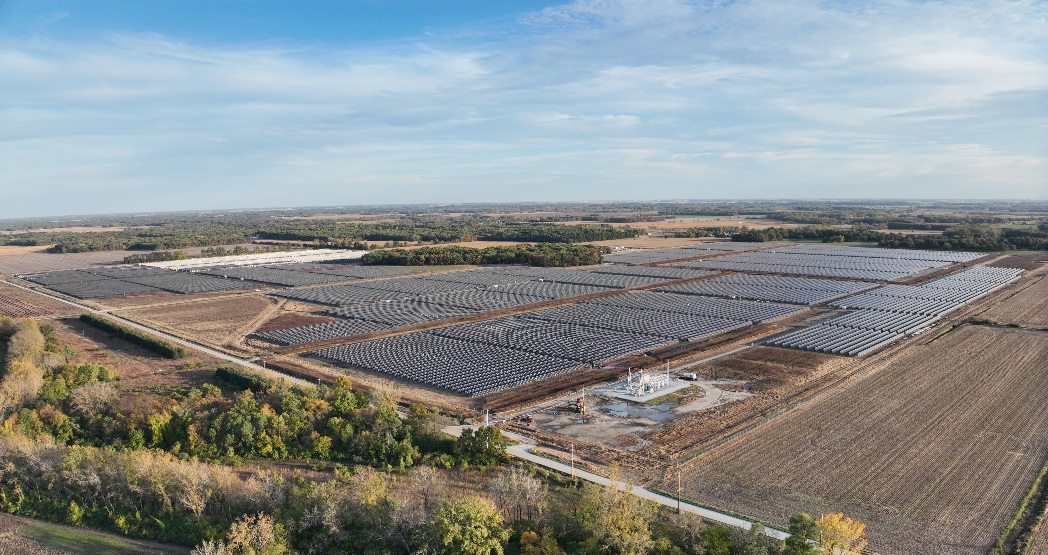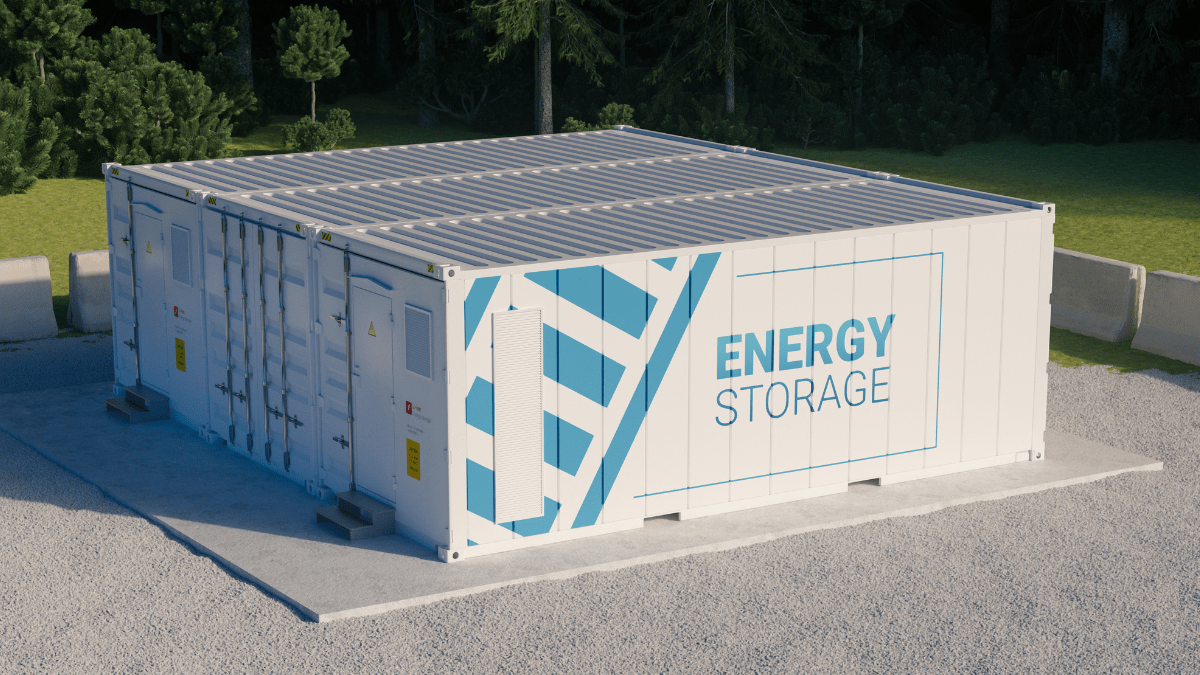
The Ministry of New and Renewable Energy has issued comprehensive guidelines for the design, performance, and testing of solar cold storage systems with thermal energy storage (TES) backup. These guidelines aim to enhance the efficiency and reliability of solar-powered cold storage units, which are critical for preserving perishable goods such as agricultural produce, dairy products, fish, and pharmaceuticals. By utilizing solar photovoltaic (PV) energy during daylight hours and storing excess cooling energy for use during non-solar hours, these systems offer a sustainable alternative to conventional cold storage solutions that rely on grid electricity or diesel generators.
The guidelines cover solar cold storage capacities ranging from 2 metric tons (MT) to 20 MT, with operational temperature ranges between -5°C and 4°C. Each unit consists of a cold room insulated with polyurethane foam (PUF), a refrigeration unit, a TES system using phase change materials (PCMs), and a solar PV system integrated with an advanced monitoring setup. The TES system is designed to store cooling energy efficiently, ensuring uninterrupted operation during nighttime or cloudy periods.
To ensure effective performance, the guidelines specify that the system must support the daily pre-cooling of 10% of its total storage capacity for at least two days. The solar PV system, in combination with TES, must maintain a steady temperature within the cold storage room while optimizing energy consumption. The use of PCMs helps reduce long-term operational costs, as these materials offer high energy retention and extended lifecycle benefits.
The guidelines also establish strict design and performance benchmarks. The refrigeration unit operates on a variable-speed compressor powered directly by solar PV without requiring battery storage for primary cooling. The module mounting structures must withstand wind speeds of up to 150 km/h, and all electrical components, including controllers and earthing systems, must meet relevant safety standards. Additionally, remote monitoring systems must be installed to track key parameters such as room temperature, humidity, solar power generation, and TES charge levels.
A well-defined testing procedure is outlined in the document to assess system efficiency and reliability. Testing includes evaluating the cooling capacity of TES, measuring cold storage temperature stability, and conducting solar performance and autonomy tests. A unique feature of the testing framework is the use of energy meters and temperature sensors to precisely monitor power consumption and cooling performance under different conditions.
With over 1,400 solar cold storage systems already installed across India, these guidelines provide a structured approach for future implementations. They serve as a reference for the Ministry of Agriculture and state government departments involved in the deployment of solar cold storage units. The guidelines will also assist in preparing bid documents and ensuring standardized procurement procedures.
By reducing dependency on conventional power sources and minimizing post-harvest losses, solar cold storage systems play a vital role in improving farmers’ incomes and strengthening India’s cold chain infrastructure. The adoption of these guidelines marks a significant step toward promoting renewable energy applications in agriculture, fisheries, and healthcare sectors, ensuring sustainability and economic viability.