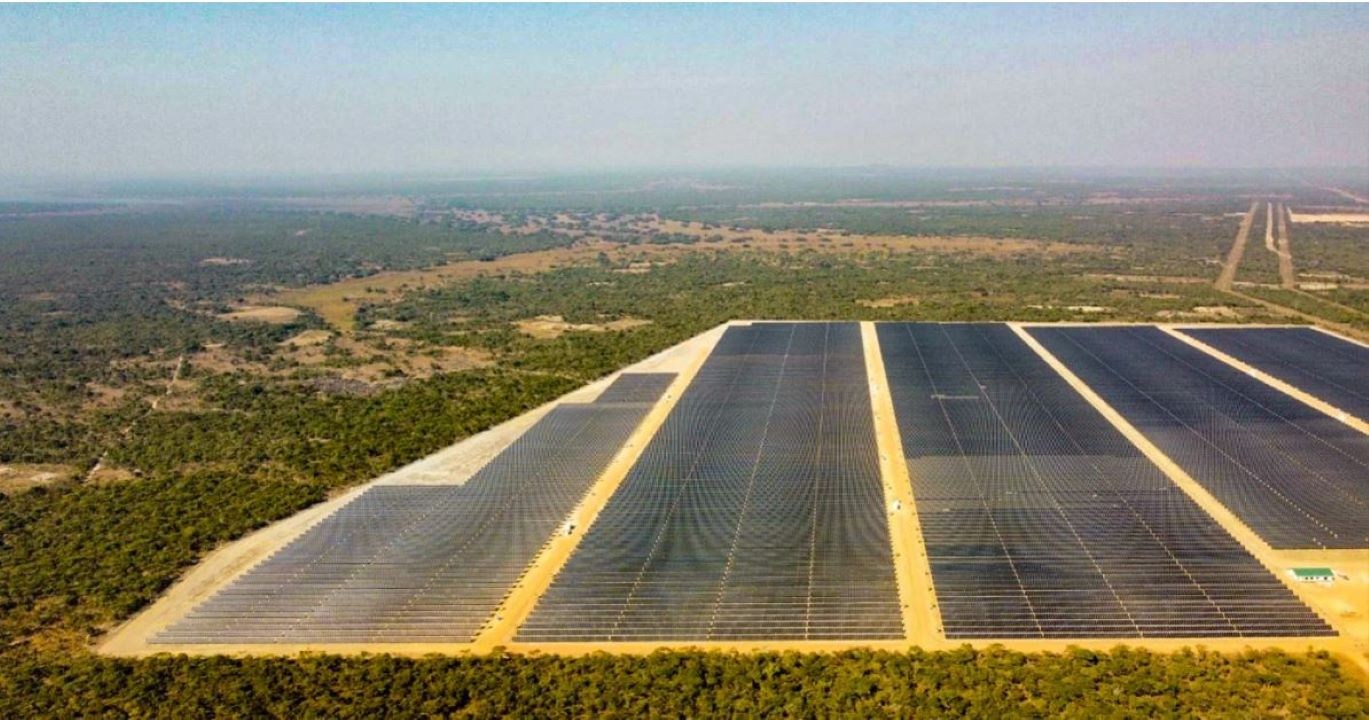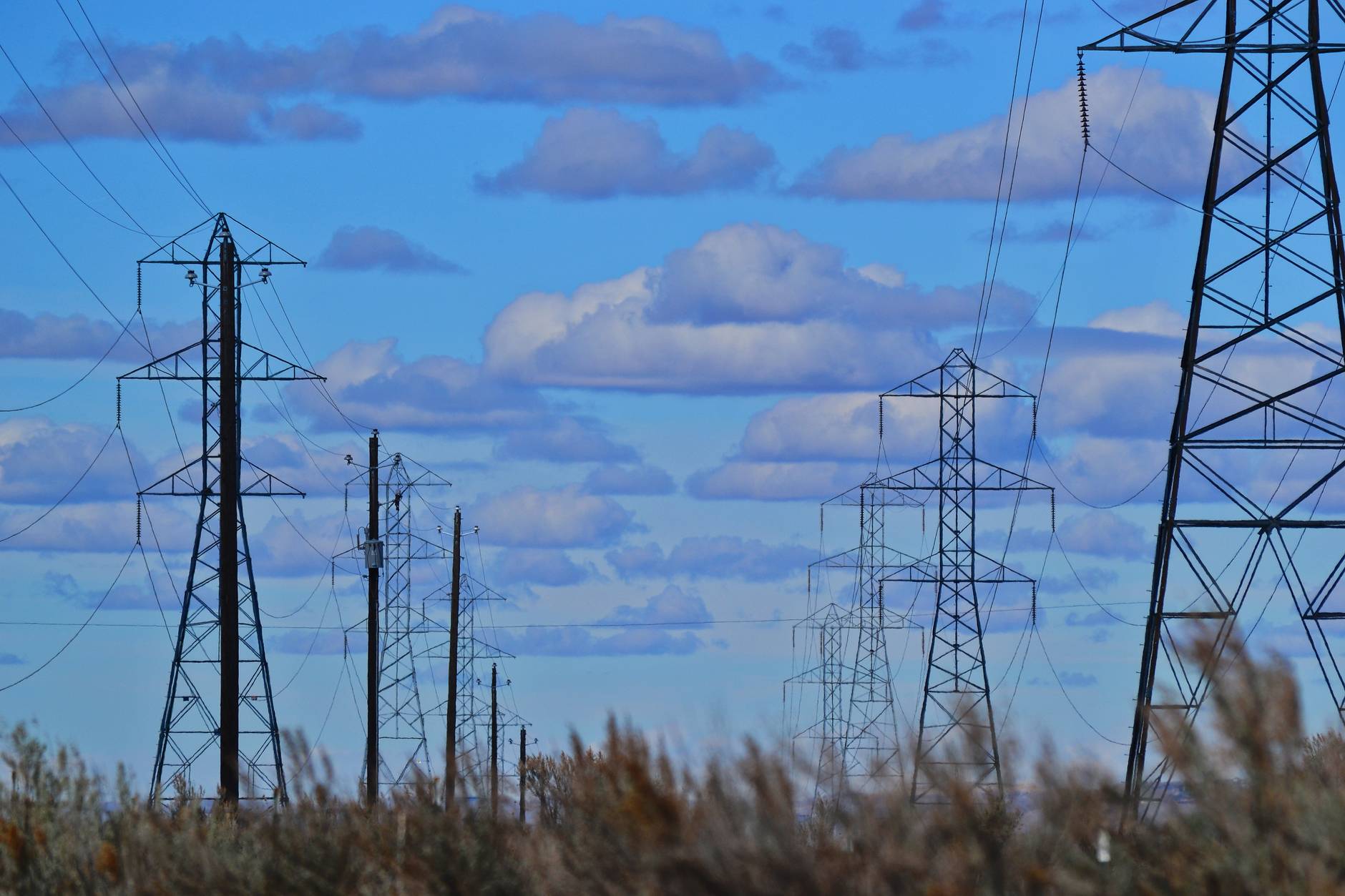
Maharashtra’s renewable energy sector is undergoing significant transformation with the introduction of revised grid connectivity codes by Maharashtra State Electricity Transmission Company Limited (MSETCL). These updates are designed to address the long-standing issue of speculative grid access, which has previously hindered the sector’s growth. The new framework ensures that grid capacity is used efficiently by holding developers accountable, ensuring timely project execution, and promoting fairness in the distribution of opportunities.
The primary reason for this change is the historical problem where grid capacity was often blocked by developers who failed to follow through on their projects. This meant that serious developers were unable to secure necessary grid access, slowing the growth of renewable energy in the state. MSETCL’s revised codes tackle this issue directly by enforcing stricter timelines for project completion and aligning the state’s policies with successful practices from other regions, such as Gujarat.
One of the key updates in the new codes is the introduction of deemed connectivity for renewable parks. This means that shared infrastructure projects can now qualify for automatic grid access, making it easier for developers to move forward with large-scale renewable energy developments. Additionally, wind-solar hybrid systems and battery energy storage systems (BESS) now have open-access support, which will help optimize resource utilization and improve the stability of the grid. The revised framework also brings transparency to the process by establishing clear timelines and roles, which will make it easier for developers to plan their projects with more predictability.
However, there are several challenges that developers must address under the new rules. One significant requirement is the submission of comprehensive bank guarantees (BGs) for land acquisition and grid infrastructure strengthening. Developers must provide a BG of ₹10 lakh per MW for land acquisition within six months of receiving grid connectivity approval. Additionally, projects connected to 33 kV substations must be commissioned within six months, with only two six-month extensions allowed in exceptional cases. Developers also need to align their ownership structures early, as connectivity rights are non-transferable. Lastly, projects connecting to 33 kV substations must waive compensation claims for any outages.
To succeed under these updated regulations, developers will need to prioritize compliance with the new requirements, particularly in terms of meeting deadlines for bank guarantees and land documentation. They should also explore hybrid models and energy storage systems to take advantage of new opportunities. Swift execution and careful planning will be essential to meeting the tight timelines for project commissioning.
These reforms are poised to reshape Maharashtra’s renewable energy landscape by fostering fair competition and promoting more efficient grid use. Whether these changes will unlock the state’s full renewable energy potential or introduce new challenges for developers remains to be seen. The future of Maharashtra’s clean energy sector will depend on how well the industry adapts to these new rules.