NTPC Limited, India’s largest electric utility, has signed a power purchase agreement with US-based 247Solar to deploy advanced solar thermal technology in its first commercial project at Rajasthan’s Bhadla Solar Park. The approximately 1 MW hybrid project will combine 247Solar’s thermal power technology with photovoltaic (PV) solar capacity to demonstrate the potential of delivering reliable, round-the-clock clean electricity.
The project represents a significant milestone for 247Solar as it moves its technology into commercial deployment. The system aims to address the intermittency of conventional solar and wind power by storing heat and using it to generate electricity even after sunset or during periods of limited sunshine.
India is experiencing rapidly increasing electricity demand, prompting utilities to expand power generation capacity through a combination of coal, solar and wind energy. While renewable energy installations continue to grow, conventional solar PV generation declines after sunset and can be affected by cloudy weather. The resulting supply gaps have increased the need for reliable and flexible power generation technologies.
NTPC’s project will assess whether 247Solar’s system can help bridge these gaps, reduce dependence on coal-fired generation and provide a dependable source of electricity. If the demonstration proves successful, the technology could be considered for wider deployment across India.
Bruce Anderson, founder and chief executive officer of 247Solar, said the technology addresses the intermittency challenges associated with solar and wind power while offering an alternative to investing in additional coal-fired plants. He added that India’s rapid growth requires clean, reliable and affordable electricity, and that NTPC’s decision followed several years of detailed due diligence.
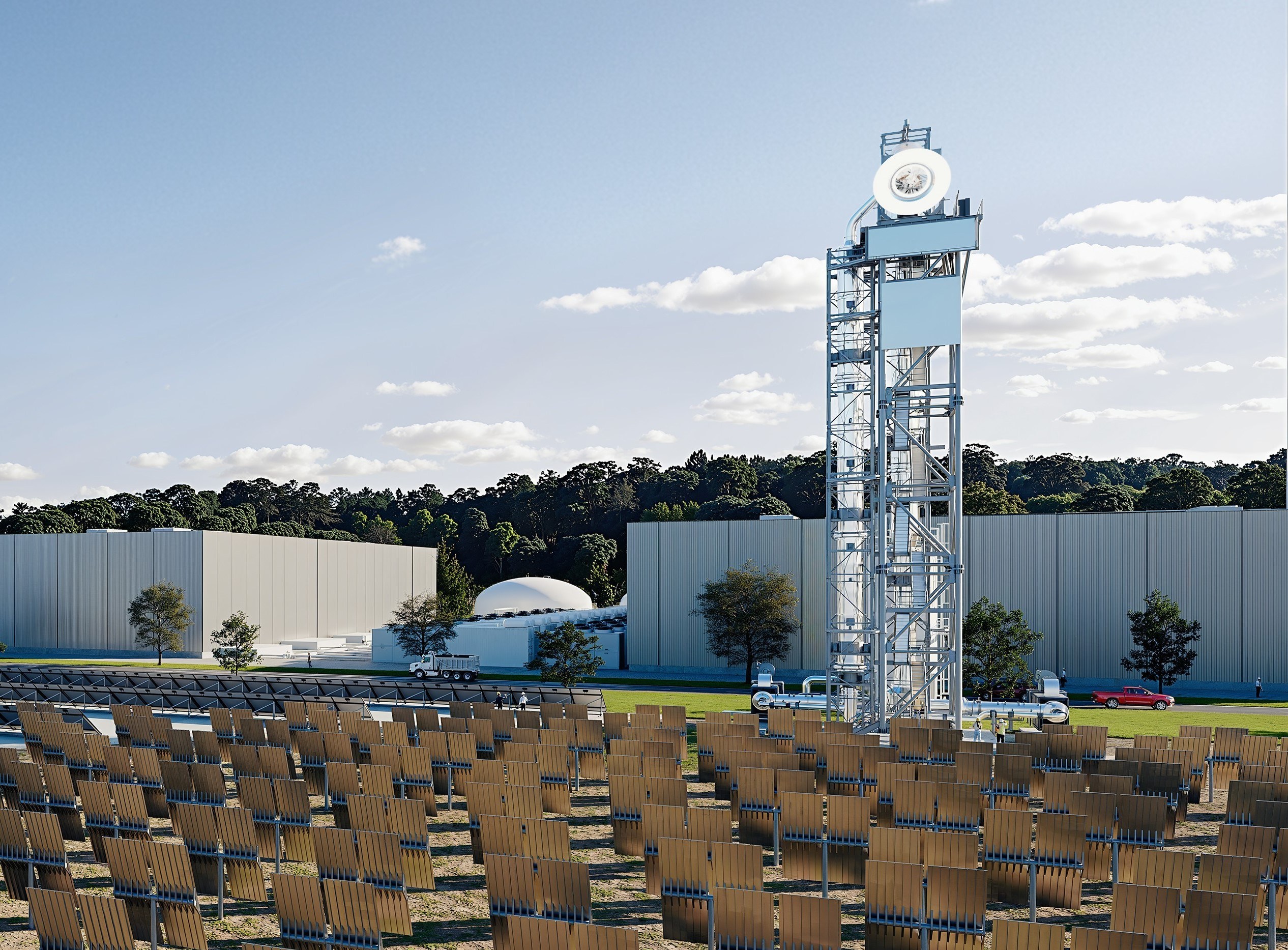
247Solar’s technology uses mirrors to concentrate sunlight onto towers, capturing solar heat for electricity generation and industrial applications. Unlike traditional concentrated solar power (CSP) systems, the company’s design is modular, scalable and intended to simplify plant construction and operation. The system can also provide heat at temperatures of up to 1,000°C for industrial processes.
The technology stores thermal energy in inexpensive ceramic pellets, enabling electricity generation for up to 20 hours using hot air and specialised turbines. These turbines operate without combustion under normal conditions. When stored heat becomes insufficient, including during extended cloudy periods or overnight, they can also operate using liquid or gaseous fuels such as natural gas, green hydrogen or diesel.
According to the company, the system offers potential advantages including lower costs, faster deployment, operational simplicity, high reliability, grid independence and cost-effective baseload electricity generation.
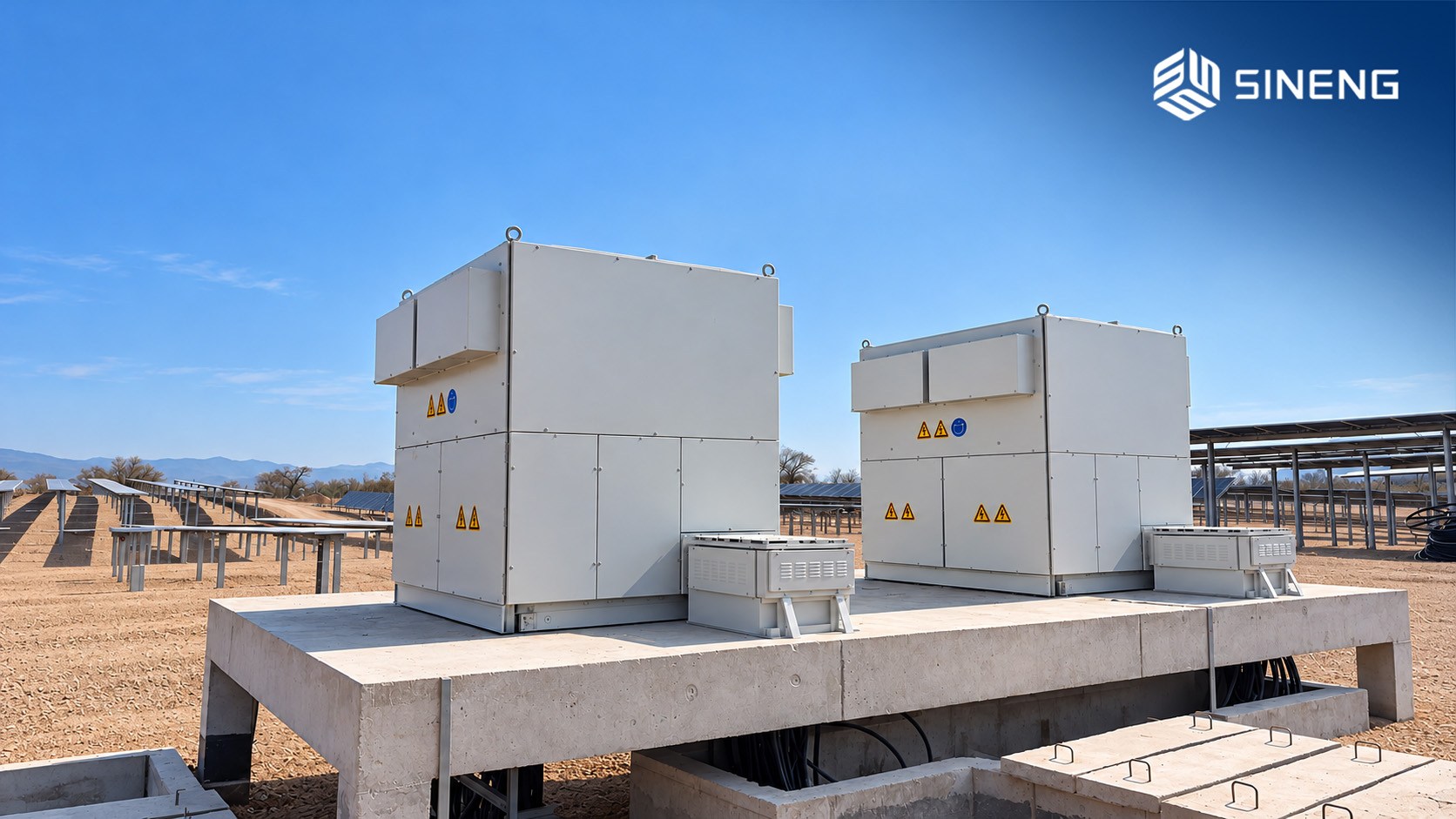
The Bhadla installation will comprise one 400 kW modular 247Solar Plant integrated with several hundred kilowatts of PV solar capacity. Located in northwestern Rajasthan, Bhadla Solar Park offers abundant sunshine and established infrastructure for connecting power to the grid.
The project is supported by Rajasthan Renewable Energy Corporation Limited, which has approved preliminary studies, site surveys and structural tests. NTPC and 247Solar selected the location based on its solar resources and convenient grid interconnection for electricity offtake.
The demonstration could help establish Rajasthan as a testing ground for advanced solar thermal technology in India. It also offers NTPC an opportunity to evaluate an alternative approach to meeting rising electricity demand while reducing carbon emissions and dependence on coal.
The project’s performance will be important for industries and electricity networks seeking dependable renewable power, particularly in locations with weak grid infrastructure. Its outcomes could also attract international attention as countries explore ways to overcome renewable energy intermittency without increasing reliance on coal-fired generation.
Subscribe to get the latest posts sent to your email.