Oil prices opened the week elevated but stable in early Asian trading on Monday, holding near multi-year highs after another weekend of escalating tensions between the United States and Iran.
At the time of writing, WTI crude was trading at $98.61, up 0.39%, while Brent crude had inched down 0.24% to trade at $111.90. These muted price moves mask an increasingly uncertain environment, with markets bracing for a very volatile session.
Late on Saturday, President Trump issued a stark ultimatum, warning that the United States would strike Iran’s power plants within 48 hours unless the Strait of Hormuz is fully reopened. Iran responded by warning that any attack on its country’s energy infrastructure would trigger retaliation against “critical infrastructure, energy infrastructure, and oil facilities throughout the region”, with Iran’s Speaker of Parliament later adding that “financial entities that finance the US military budget are legitimate targets.”
The deadline for President Trump’s ultimatum, which falls late Monday U.S. time, is sure to drive significant volatility in oil prices and likely result in further escalation across the region. Already, there have been heavy airstrikes across Iran early Monday morning after Iran continued to attack Israel over the weekend.
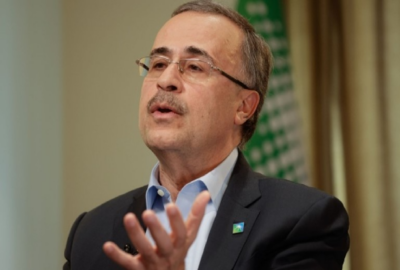
This latest escalation from the U.S. President has raised fears that the conflict could move beyond military installations into a broader campaign against civilian and economic infrastructure. Partly due to these concerns, Saudi Aramco’s CEO has canceled his plans to attend this week’s CERAWeek energy conference in the U.S. The CEO of Kuwait Petroleum Cooperation is also set to miss the conference, according to Reuters, although he is expected to join virtually from Kuwait.
In an attempt to help calm oil markets, the IEA’s Executive Director said the agency is ready to work with member countries to release more stockpiled oil “if necessary.” He did then go on to emphasize that the “single most important solution to the problem” would be reopening the Strait of Hormuz.
Beyond energy markets, equity markets in Japan, South Korea, and Australia all opened lower on Monday, reflecting a broader risk-off sentiment as investors grapple with the possibility of further escalation.
For oil traders, Trump’s ultimatum has created a defined timeline for potential escalation, with the threat of direct U.S. strikes on Iranian energy infrastructure representing a significant step up in the conflict. Iran has made clear that any such move would be met with retaliation that could further disrupt energy flows across the Middle East.
By Josh Owens for Oilprice.com
More Top Reads From Oilprice.com
- Qatar to Lose $20 Billion Annual Revenue from Iranian Attacks on LNG
- Oil Inches Higher as Iran Strikes Kuwait’s Mina Al-Ahmadi Refinery
- Buyers Scramble for Seaborne Oil as Middle East War Continues