Oil prices were spiking again in early Asian trade on Tuesday, reversing part of the previous session’s steep losses as Iran denied claims that it had engaged in negotiations with the U.S.
At the time of writing, West Texas Intermediate had climbed to $91.54, up 3.87%, while Brent crude had risen 3.43% to $103.40.
The rebound follows a dramatic selloff on Monday, when Brent briefly fell below $100 per barrel for the first time since March 11 after President Trump claimed Washington had held “very good and productive” conversations with Iran and would delay strikes on Iranian energy infrastructure.
Markets initially interpreted the comments as a potential de-escalation signal. Trump said planned attacks on Iranian power plants and energy sites had been postponed for five days following discussions over the weekend.
Iran immediately denied any direct negotiations with the United States, although some sources claim the mediation efforts involved regional powers, including Pakistan, Egypt, and Turkey. An Israeli official told Axios that the U.S. negotiators had been in touch with the speaker of the Iranian parliament, Mohammad Bagher Ghalibaf. Ghalibaf said in a statement on X that “no negotiations have been held with the U.S.”, calling the claims “fake news” aimed at manipulating oil markets.
Asian equity markets moved higher on Tuesday, tracking Wall Street gains after Trump’s remarks, with the MSCI Asia-Pacific index rising around 1.5% in early trade.
The S&P 500 climbed 1.1% on Monday, reflecting investor optimism that diplomacy could avert further escalation.
But oil markets, unlike equities, are recalibrating around uncertainty rather than relief. Ultimately, oil markets will always return to fundamentals, and as long as supply is removed and does not return, there will be upward pressure on prices.
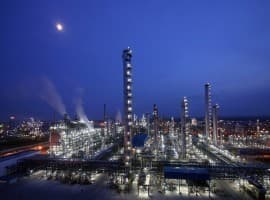
With this conflict now in its fourth week, oil flows across the Middle East have been disrupted and production reduced. The damage that has already been inflicted on energy infrastructure in the region is likely to keep prices structurally elevated even if hostilities ease. At least 40 major energy sites across the region have been severely damaged, according to the International Energy Agency.
By Josh Owens for Oilprice.com
More Top Reads From Oilprice.com
- Oil Inches Higher as Iran Strikes Kuwait’s Mina Al-Ahmadi Refinery
- Buyers Scramble for Seaborne Oil as Middle East War Continues
- Saudi Arabia Slashes Oil Supply to Asia as War Chokes Export Route