Brent crude futures opened more than 4% higher on Sunday evening, trading above $77 per barrel, as tensions between Iran and Israel erupted into open military conflict targeting critical energy infrastructure. The spike follows an 8% jump on Friday, marking one of the sharpest two-day increases in oil prices in recent years.
Over the weekend, Israel launched a wave of coordinated airstrikes on Iran, hitting key energy facilities in and around Tehran. The Shahran fuel depot in northern Tehran, a vital distribution point supplying around 8 million liters of gasoline daily, was set ablaze in a series of explosions. The city’s Shahr Rey oil refinery—one of the country’s largest—was also struck, sparking massive fires and raising fears of fuel shortages in the capital.
Iran’s oil ministry confirmed the attacks and reported that at least 11 storage tanks were destroyed. The escalation represents the most destructive phase yet in the ongoing conflict and could further disrupt Iran’s already sanction-constrained oil and gas sector.
In retaliation, Iran launched drones and missiles at multiple Israeli targets, including the Haifa oil refinery. While Israeli officials claimed their military focused on “military assets,” Iran has accused Israel of deliberately targeting civilian infrastructure. The reciprocal strikes have amplified fears of a broader regional conflict, with implications for both global oil supply and pricing stability.
In a significant escalation, Israel also struck a section of Iran’s South Pars gas field—the largest in the world, shared with Qatar. The attack temporarily halted production at Phase 14 of the field, cutting around 12 million cubic meters of gas output. Although the fire was later contained, this marked the first direct hit on Iran’s core natural gas infrastructure.
Iran, the world’s third-largest gas producer, is heavily reliant on South Pars for domestic consumption. Due to sanctions, the country cannot export its gas, but the field remains central to its energy security.
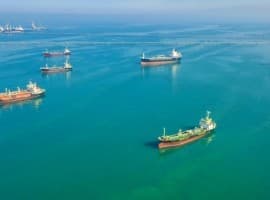
The conflict has intensified concerns over the safety of the Strait of Hormuz, a crucial oil transit route. However, analysts suggest fears of a complete blockade may be overstated, given the dependence of multiple countries—particularly China—on the waterway.
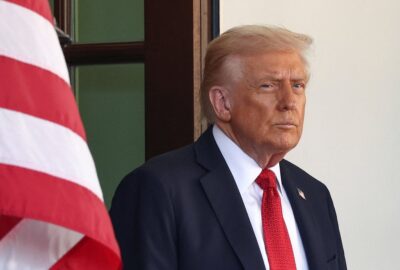
U.S. President Donald Trump weighed in from his Truth Social account on Sunday, urging both nations to reach a peace deal and voicing frustration over rising oil prices. For now, energy markets remain volatile, with futher gains in oil prices remaining a distinct possibility if Iran and Israel continue to strike each other’s key energy infrastructure

By Tom Kool for Oilprice.com
More Top Reads From Oilprice.com
- Pakistan Strikes Critical Win With Oil, Gas Wildcat Discovery
- EU to Require EU Firms to Disclose Details of Russian Gas Contracts
- Oil Prices Soar After Israel Targets Iran’s Nuclear Program