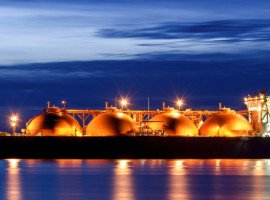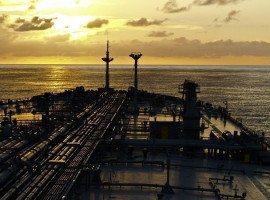
Some of the world’s biggest oil traders are asking Washington for permission to put sanctioned tankers back to work, as a global vessel shortage pushes oil transportation costs to extraordinary levels.
Trafigura, Vitol, Mercuria and Abu Dhabi National Oil Co. are negotiating with U.S. officials for licenses to purchase or lease blacklisted oil tankers, Bloomberg reported Friday, citing people familiar with the discussions.
The talks involve approximately 50 vessels currently under U.S. sanctions. Treasury officials are considering approvals on a case-by-case basis, although no decisions have been finalized.
The proposal comes after months of shipping disruptions stemming from the Iran war, which has forced tankers onto longer routes, increased insurance costs, and tied up vessels in inefficient transfers around the Strait of Hormuz.
The cost of chartering a supertanker from the U.S. Gulf Coast to China reached nearly $80 million in October, roughly ten times the average rate before the conflict.
Valero estimated last month that shipping U.S. crude to Asia had reached $30 to $35 per barrel, compared with approximately $5 a year earlier.
Those costs have consequences. Asian orders for U.S. crude for November delivery fell roughly 50% in October, potentially pushing shipments to their lowest level in seven years.
Adding sanctioned vessels could relieve some of that pressure.
U.S. Energy Secretary Chris Wright said last month that Washington was exploring arrangements allowing investors to acquire and refurbish blacklisted tankers for transporting legitimate oil cargoes.
As of November 4, U.S. sanctions covered 1,568 ships, including 462 crude tankers, according to Treasury data compiled by Bloomberg.
But the potential benefit depends heavily on which vessels receive approval. Restoring previously idled tankers would add actual shipping capacity. Simply legalizing vessels already transporting sanctioned oil would do considerably less to ease the shortage.
Many blacklisted tankers are also aging vessels requiring repairs, inspections and insurance before entering conventional commercial service, and U.S. authorization would not automatically remove restrictions imposed by the European Union or Britain.
By Julianne Geiger for Oilprice.com
More Top Reads From Oilprice.com
- India’s HPCL Struggles to Secure Oil Tankers as Hormuz Risks Persist
- Asia’s Fuel Oil Market Signals Hopes of U.S.-Iran De-Escalation
- FGE NexantECA Sees Slim Chance of U.S.-Iran Deal