For years, carbon offsets have been a cornerstone of corporate net-zero strategies, allowing companies to compensate for emissions rather than eliminate them at the source. While offsets serve as a transitional tool, they do not drive the fundamental changes required for deep decarbonization. As a major emitter, the energy sector must pivot toward verifiable data-driven strategies for real and lasting reductions. This transformation hinges on four critical approaches real-time emissions tracking, intelligent renewable integration, digital twins and transparent ESG reporting.
Effective decarbonization begins with precision. Real-time emissions monitoring enabled by IoT sensors and data analytics allows energy companies to identify inefficiencies and drive targeted interventions. Shifting from retrospective carbon accounting to real-time tracking offers a proactive approach to sustainability.
In India real-time emissions monitoring is gaining traction particularly in urban areas. Delhi’s enforces emergency measures like construction bans and vehicle restrictions during high pollution periods. Technologies such as drones help track pollution hotspots though implementation remains inconsistent. Reliable and transparent data is crucial for enforcing policies effectively.
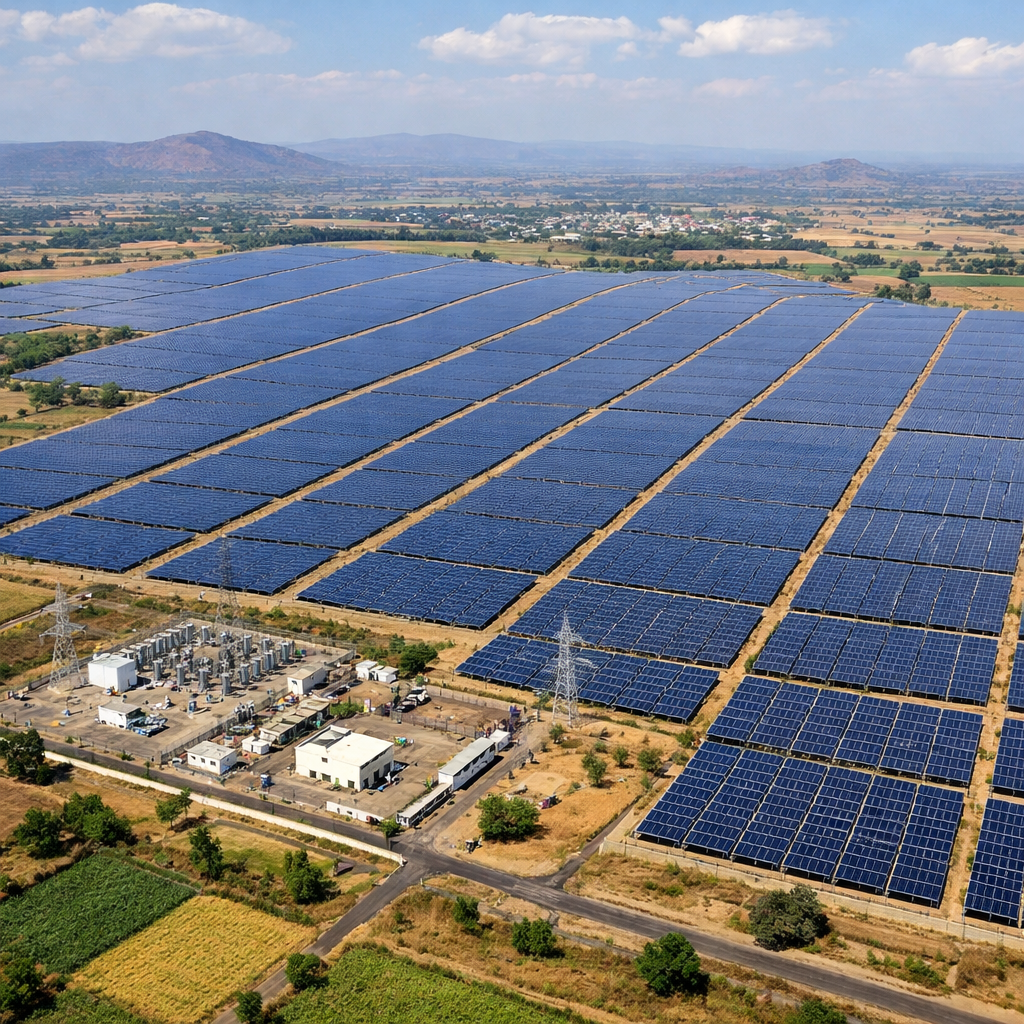
Expanding renewable energy is essential but efficient grid integration is key. Smart grids powered by predictive analytics enhance the stability of renewable sources. Demand response systems adjust consumption based on real-time supply fluctuations, optimizing resource use. Battery storage solutions combined with predictive modeling mitigate intermittency issues and reduce reliance on fossil fuel backups.
Digital twins are virtual models of physical energy assets that help optimize efficiency and reduce emissions. By simulating operational scenarios, they enable companies to anticipate inefficiencies, optimize asset performance and reduce downtime. In refineries power plants and transmission networks, digital twins facilitate predictive maintenance and emissions minimization embedding sustainability into operations.
The demand for credible ESG reporting is rising. Investors, regulators and consumers expect transparency yet traditional reporting frameworks rely on unverifiable estimates. Advanced digital tools, including blockchain and automated reporting platforms, enable real-time tracking and auditability of ESG metrics.
In India, mandates the top 1,000 listed companies to disclose ESG performance through the Business Responsibility and Sustainability Reporting BRSR framework. Effective from FY 2022-2023, BRSR emphasizes quantifiable metrics for consistent measurement. Additionally, SEBI’s introduced in July 2023, enhances ESG disclosures requiring assurance and extending reporting to the value chain.
Achieving true net zero in the energy sector requires shifting from compensatory measures to direct emissions elimination. Precision in emissions measurement-optimized renewable integration and predictive energy management through digital twins and verifiable ESG reporting form the foundation of a credible decarbonization strategy. As energy companies embrace these solutions, they transition from commitments to measurable impact, embedding sustainability into every operational decision.

By Rajesh Patel, CEO of Snowkap