The Philippines, a tropical archipelago blessed with abundant sunlight, stands at the precipice of a significant transformation in its energy landscape. As the country grapples with energy security challenges, fluctuating energy prices, and environmental concerns, solar power has emerged as a reliable and sustainable solution. With its vast potential, the Philippine solar market is set for considerable growth in the coming years, especially as we approach 2025. In the following paragraphs, we will explore the current trends, challenges, and growth projections for the solar market in the Philippines, offering insights into the future of solar energy in our beautiful country.
In 2023, the Philippines had a solar energy capacity of approximately 1,300 MW, contributing a growing share to the country’s overall energy mix. Despite the rapid expansion of renewable energy sources, solar still accounts for a relatively small percentage of the total energy generation. However, the trajectory of growth indicates a promising future, driven by some favorable policies, decreasing costs of solar technologies, and increasing consumer awareness of sustainable energy solutions.
A key driver of solar growth in the Philippines is government support. The Renewable Energy Act of 2008 laid the foundation for the development of renewable energy, offering incentives such as tax breaks and guaranteed market access for solar power producers. In recent years, the government has introduced additional measures to stimulate the solar sector, including the Green Energy Auction Program (GEAP), which ensures long-term power purchase agreements for solar projects.
Looking ahead to 2025, the Philippine government is expected to ramp up its focus on renewable energy as part of its commitment to achieving a 36% renewable energy share in its energy mix by 2030. Moreover, the inclusion of solar in the National Renewable Energy Program (NREP) sets a clear pathway for accelerating development, with the Department of Energy (DOE) actively promoting a more conducive environment for solar power investments.
The global solar industry has experienced dramatic declines in the cost of solar panels and balance- of-system components, making solar power more accessible and affordable for a wider range of consumers. In the Philippines, the costs of solar installations have significantly decreased over the past decade, making it more competitive with traditional energy sources such as coal and natural gas.
The integration of new technologies, including bifacial solar panels, energy storage systems, and digital innovations in monitoring and performance optimization, will further enhance the efficiency and reliability of solar energy systems in the Philippines. With these advancements, solar power is expected to become increasingly attractive to industrial, commercial and residential customers.
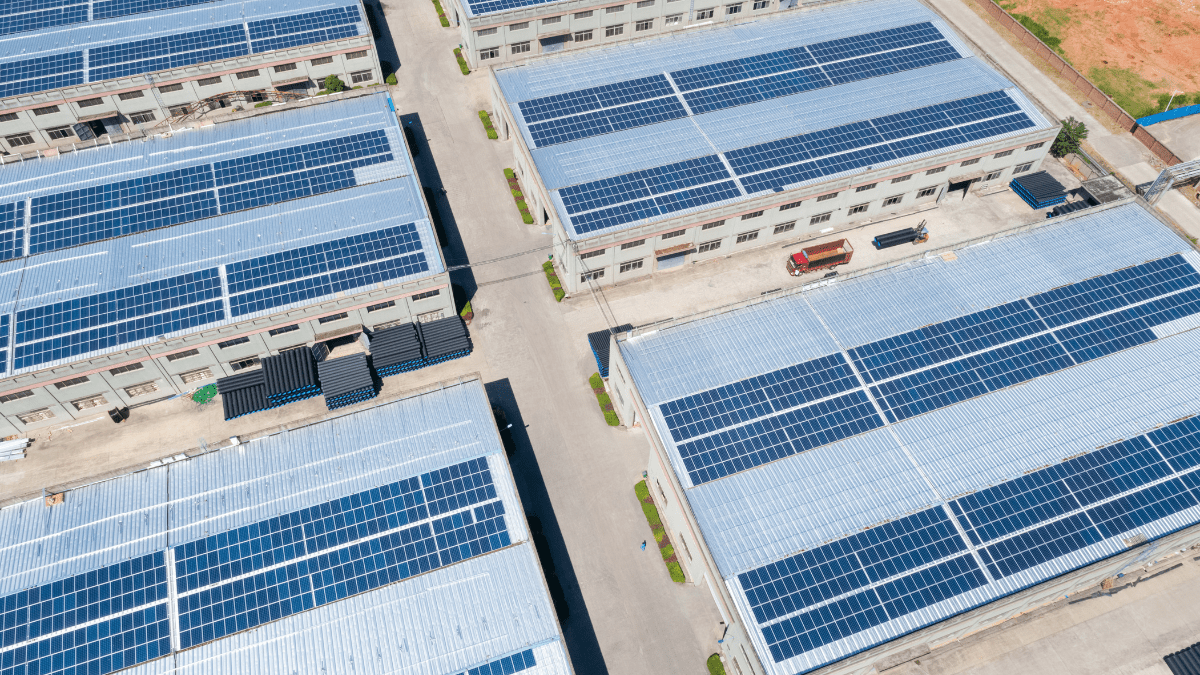
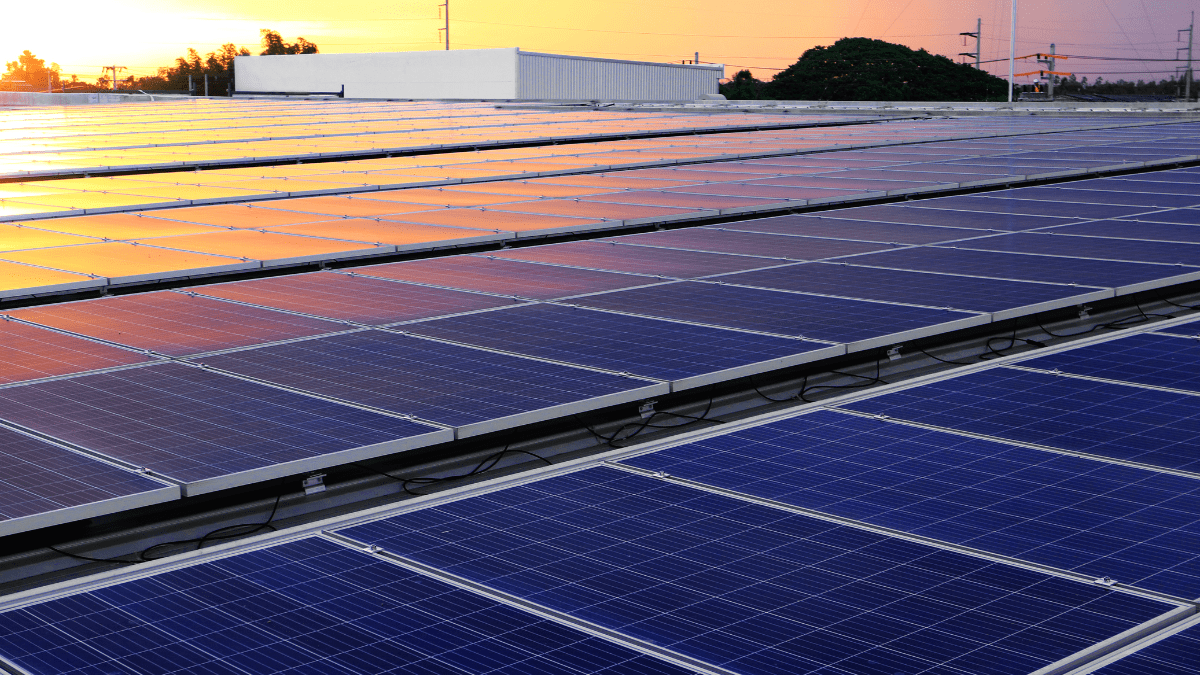
A notable trend in the Philippines’ solar market is the shift toward decentralized solar adoption also referred to as “own-use” grid-tie solar systems, especially among industrial and commercial consumers. The rise of rooftop solar installations, driven by competitive solar companies such as SolarNRG Philippines and their closest competitors, allows consumers to generate their own electricity to offset some of their high expenses because of expensive electricity supply from the grid. This has led to increased consumer participation in the solar energy market. By 2025, it is expected that the industrial and commercial segments will dominate the solar market in the country, as more industries and businesses recognize the long-term financial benefits of solar energy.
The Philippine solar market is poised for exponential growth, with projections indicating a significant increase in installed capacity by 2025. According to the DOE, the Philippines could see up to 3,000 MW of installed solar capacity by 2025, more than doubling the current capacity. The commercial, industrial, and utility sectors will drive this growth, supported by ongoing technological improvements, favorable policies, and increasing environmental consciousness.
The increased availability of financing options, such as green bonds and renewable energy investment funds, will also accelerate the adoption of solar energy. Furthermore, public-private partnerships and collaborations with international solar developers will contribute to the rapid expansion of solar infrastructure in the country.
The solar energy sector in the Philippines is entering an exciting phase of growth, driven by competitive solar companies, technological innovations, and increasing public demand for clean energy. By 2025, the country is expected to see substantial growth in solar energy adoption, positioning it as a leader in renewable energy in Southeast Asia. While challenges remain, the future of solar power in the Philippines looks bright, with SolarNRG Philippines playing a pivotal role in ensuring energy security, reducing carbon emissions, and fostering sustainable development.