India is undergoing a historical change in its energy landscape, with an ambitious goal-2030 to 500 GW clean energy and pure-zero carbon emissions by 2070. Solar energy-a low cost, broad, and highly scalable source of energy-is in the heart of this change, which is towards a clean future.One of the world’s fastest-growing solar economies, India is leveraging policy reforms, technological advancements, and heavy investments to harness the power of the sun.
Provides strength to a renewable-managed future to fit solar in India’s master plan? Which policies and technological progress are increasing its exponential growth? And which obstacles are decreasing? Let us break the most important factors that make solar energy a game-changer in India’s clean energy revolution.
Important Advantages of Solar Energy in India
- Easy to install and quick to deploy: Unlike the traditional power plants that take years to construct, solar power systems can be installed in days or weeks. This makes them an attractive option for homeowners, businesses and industries who are looking for a green option without major delays.
- Excessive modular and scalable: Solar energy can be deployed on a small roof or as a large -scale solar farm, making it one of the most accessible renewable energy sources for urban and rural India.
- Almost works anywhere: With abundant sunlight, India is well placed to deploy solar solutions in cities and remote villages, which expands access to clean energy.
- Government Push Driving Rapid Adoption: Policies like tax encouragement, low import duties and residential solar subsidy are making solar energy more economical and accessible.
- Fast ROIs for businesses and industries: The cost of solar panels and rising power tariffs make solar energy a cost -effective solution for commercial and industrial users.
- PM Surya Ghar: Muf Bijli Yojana-One major roof solar initiative. This government initiative provides financial incentives and subsidies to the houses, which makes solar energy accessible in middle and low-or-low areas.
- Leading government buildings: All government buildings are now mandatory to set up solar panels, reduce dependence on fossil fuels and set up an example for businesses and individuals.
- Compulsory solar for large residential buildings in Delhi NCR: Rules require solar panels for more than 500 square yards of new residential buildings, which leads to an increase in adoption of clean energy.
Government Policies Driving Solar Growth
The Indian government has played a pivotal role in spurring solar adoption through a string of forward-looking policies:
- PM-KUSUM Scheme- With the goal of empowering rural India, this scheme promotes the adoption of solar-powered irrigation pumps and enables farmers to feed the grid with extra solar power, being beneficial both to agriculture and the environment.
- Ultra Mega Solar Power Projects and Solar Parks – Mega solar parks in such states as Rajasthan, Gujarat, and Madhya Pradesh are driving the utilization of solar through indigenous and foreign investment.
- PLI Scheme (Production-Linked Incentive) – To reduce the use of imported solar panels, most of them coming from China, the PLI scheme encourages indigenization production, which increases the solar industry that is indigenous to India.
- Green Energy Open Access Regulations-This law allows businesses to purchase clean power directly from renewable sources, leading to solar adoption in the industrial and commercial (C&I) segment.
Technological Developments Shaping India’s Solar Future
Aside from policies and investment, newer technologies are transforming solar energy to be more cost-effective and efficient.These are some of the major advancements:
- Floating Solar Farms – Employing reservoirs and water surfaces for solar panels to minimize land constraints and increase efficiency.
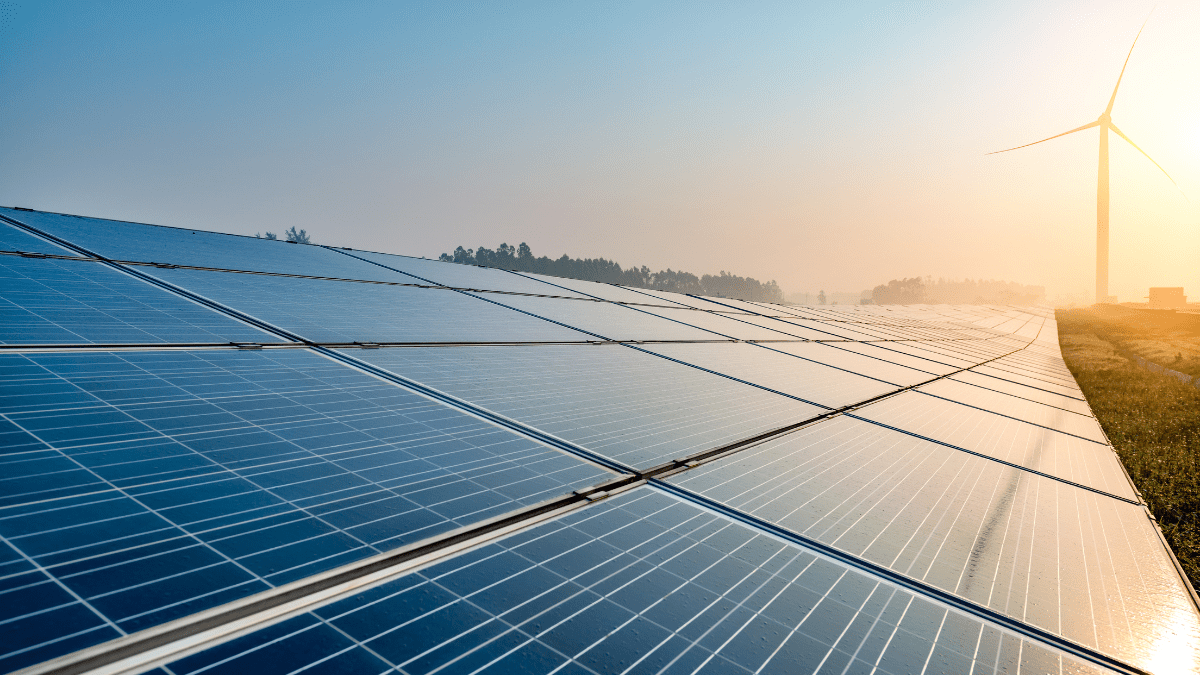
- Solar-Wind Hybrid Systems –Blending solar with wind power for a stable and reliable supply of electricity.
- Energy Storage Solutions –Emerging battery technologies enhancing solar reliability by delivering day-and-night electricity.
Challenges in Scaling Solar Energy
Despite remarkable advancements, there are a number of challenges in realizing India’s complete solar potential:
- Land Acquisition Challenges – Large-capacity solar projects require large tracts of land, leading to conflicts and high procurement costs.
- Grid Integration & Storage – The intermittent and fluctuating character of solar power requires improved grid infrastructure and energy storage systems.
- High Upfront Costs – Although solar power is becoming cheaper by the day, initial investment in rooftop and large-scale solar systems is still a hindrance.
- Dependence on Imports – Over 80% of solar modules continue to be imported, making India susceptible to global supply chain disruptions.
- Policy Uncertainties – Tariff, duty, and subsidy changes frequently create investor uncertainty and retard project implementation.
Sustained policy support, technological innovation in energy storage, increased financing options, and a more aggressive promotion of domestic solar manufacturing will ensure these challenges are met.
The Future of Solar Energy in India
In the future, the following are the trends that will shape India’s solar power future:
- Rise of Rooftop Solar – Increased up-take by corporates and individuals, supported by reducing prices and favorable financing.
- Agrivoltaics Emergence –Blending of agricultural land use with solar panels for efficiency and productivity optimization.
- International Cooperation – Encouraging international cooperation through the International Solar Alliance (ISA) for investment and knowledge sharing.
Conclusion
India’s clean energy revolution is picking up speed, and the lead here is being taken by solar energy. With strong government policies, the latest in technological innovations, and rising investments, the nation is already ahead of its targets in solar energy and poised to become a leader in renewable energy worldwide.
As India journeys ahead towards a sustainable future, the role of solar energy will become increasingly critical by the day. The sun has traditionally been a giver of life—now, it is also set to become the driver of India’s future growth and development.
By Arvind Kumar, Founder, Exolar Energy