By
4 min ago 2 min read
Food and beverage giant PepsiCo will claim the environmental benefits of 30,000 tonnes of low-carbon ammonia made by US start-up TalusAg.
Focused on PepsiCo’s Europe, Sub-Saharan Africa, and Asia-Pacific teams, the deal will be supported by book-and-claim system provider S3 Markets, in what it claimed to be the “world’s first” tokenised ammonia fertiliser environmental attribute certificates (EAC).
It would see PepsiCo by EACs for green ammonia produced by TalusAg’s network of decentralised plants, allowing it to claim carbon reductions in its fertiliser supply chains without receiving the physical ammonia.
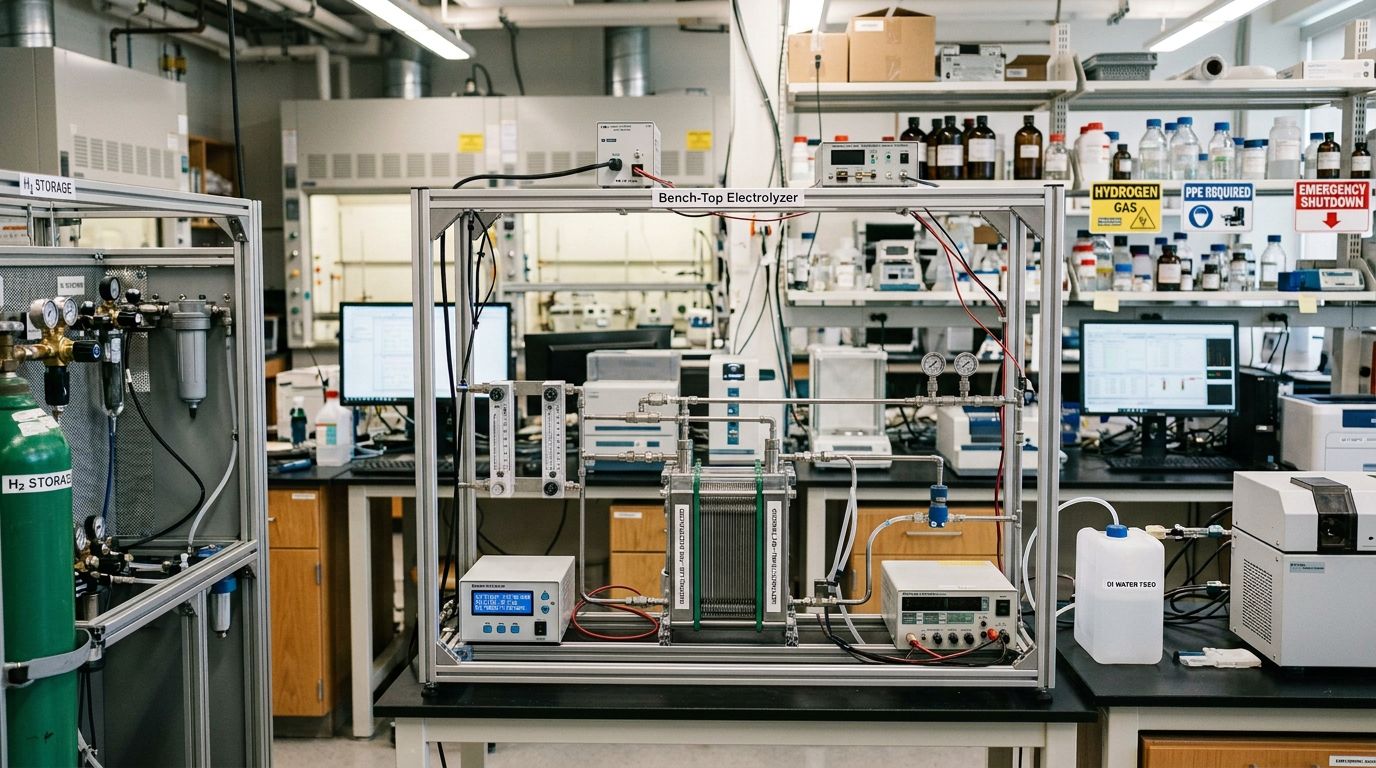
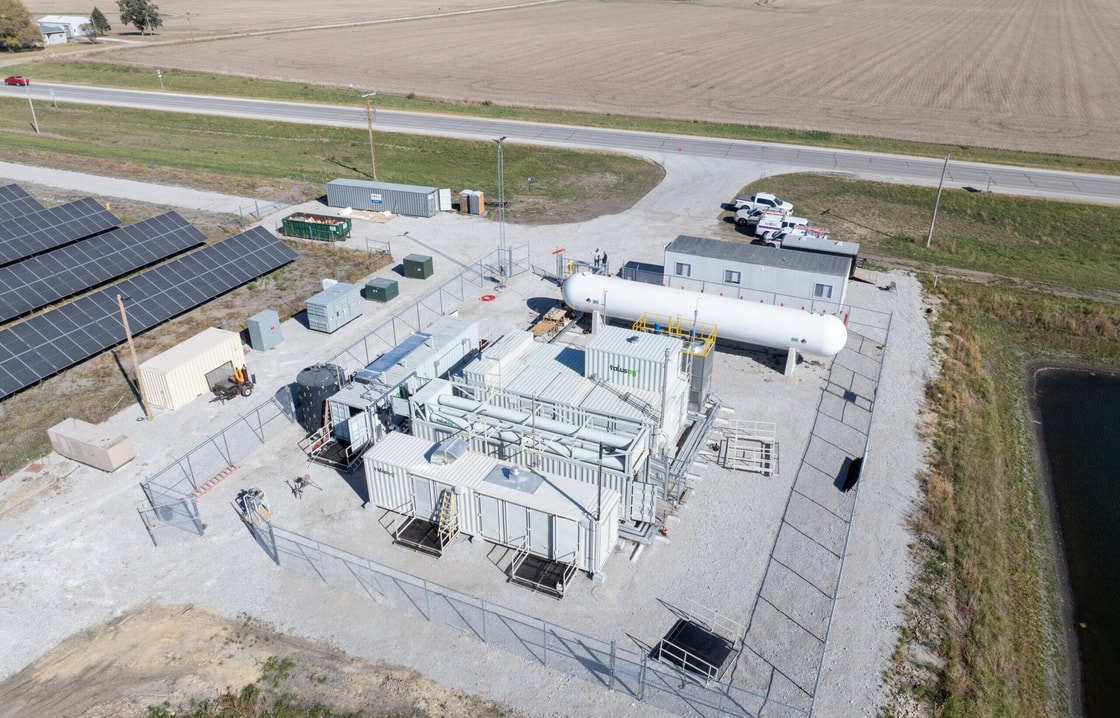
TalusAg, which was launched in 2024, develops small-scale green ammonia systems made up of air separation, electrolysis, and ammonia synthesis. In March, it partnered with Minnesota-based farmer cooperatives to build plants.
The deal could be extended by another 42,000 tonnes of ammonia and into the US market.
PepsiCo’s Vice-President of Sustainable and Regenerative Agriculture, Margaret Henry, said the agreement helped create “strong demand signals” for low-carbon ammonia.
Book-and-claim systems are becoming increasingly popular for clean hydrogen derivatives as producers and offtakers look to avoid costly logistics associated with physical delivery.
Third-party experts say certification and registries are critical to enable trade in green ammonia, but current systems still face gaps in transparency and comparability – raising questions about how reliably book-and-claim models reflect real-world emissions.
However, CEO Hiro Iwanaga sad the deal with PepsiCo was a “prime example” of how “credible market-based mechanisms” can help accelerate investments in low-carbon fertiliser production.
PepsiCo has been building up supplies of clean fertilisers to decarbonise its supply chains. In April. It agreed to use blue hydrogen-based fertilisers made by in its US potato supply chains.
Feedstock-related clean hydrogen applications like fertiliser production are becoming increasingly attractive to investors due to potentially low impact on end-product prices.
A report by the initiative said the cost increase to consumers for products made with clean fertilisers could be just 1% to 3%.