The Philippines has spotlighted two key solar energy projects at the Fourth International Conference on Financing for Development (FFD4), seeking international investment to advance its clean energy goals. Held in Seville, Spain, from June 30 to July 3 under the United Nations framework, the event brings together global leaders to mobilize sustainable development financing.
Led by the Board of Investments (BOI), the Philippines is actively courting investors for the 49.9-megawatt (MW) Libmanan Solar Project in Camarines Sur and the 76.65-MW Isabel Solar Project in Leyte. According to BOI Executive Director Eries Cagatan, the projects were selected for their commercial viability and alignment with climate targets and investor benchmarks.
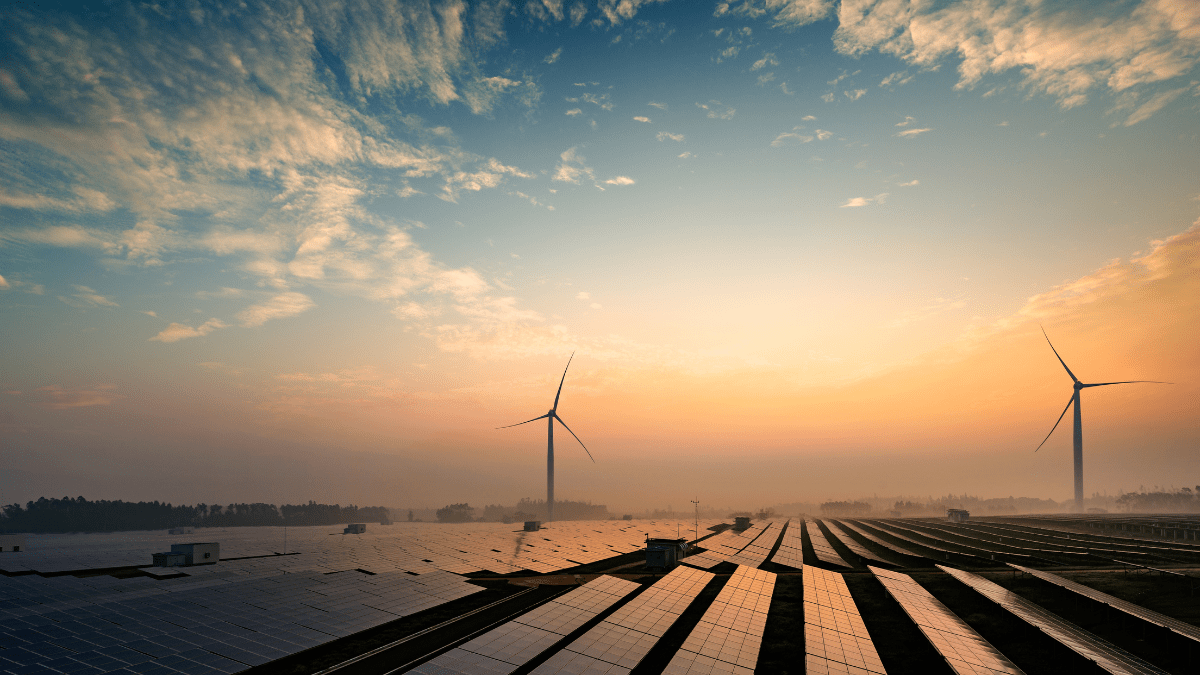
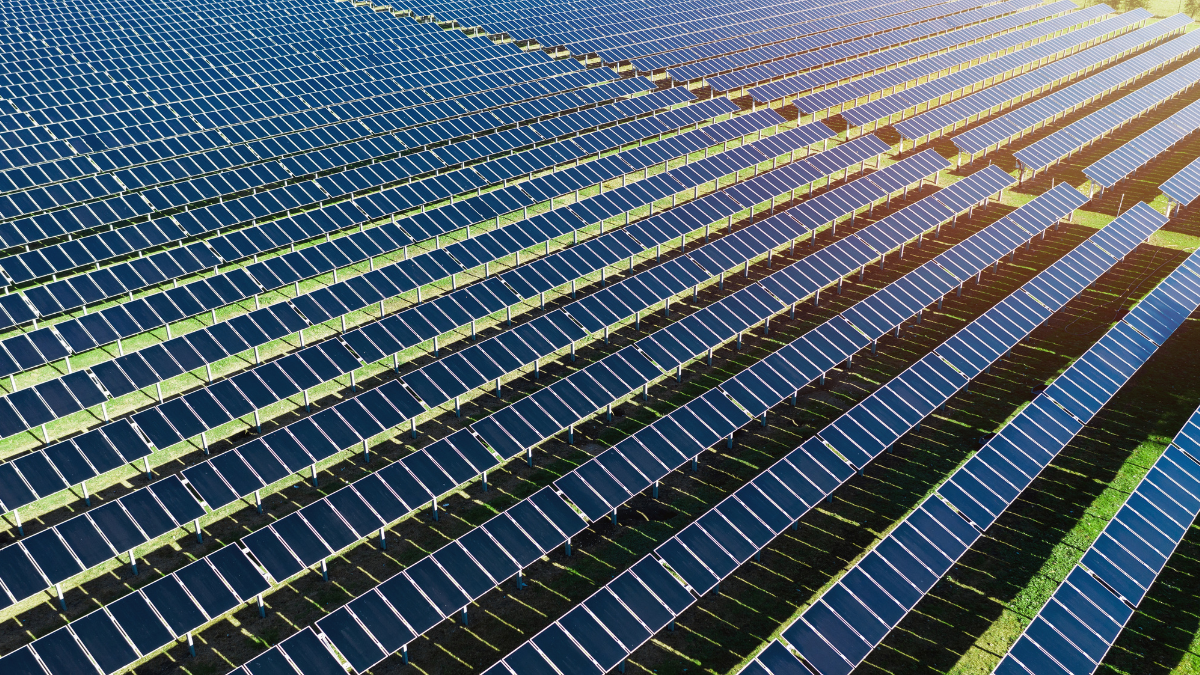
The Libmanan project, being developed by Zenith Renewable Energy Corp. (ZREC), carries a project cost of USD 33 million. ZREC is currently seeking USD 28 million in equity financing in exchange for an 85% ownership stake. The plant is scheduled to commence operations in Q1 2027, with an estimated annual generation of over 102,000 megawatt-hours. Situated on a 53-hectare site, the project benefits from strong solar irradiance and immediate grid access via a nearby 69-kilovolt transmission line.
ZREC is currently managing a pre-development portfolio totaling 585 MW-peak solar capacity across three locations in the Philippines, positioning it as a key player in the country’s renewable energy landscape.
The BOI is also participating in a high-level roundtable at FFD4 titled “Investing in Energy Transition”, co-hosted with the SDG Investment Fair. Additionally, the Philippines is contributing to a side event focused on the role of ASEAN investment promotion agencies in accelerating the green transition.
BOI Executive Director Corazon Dichosa emphasized the country’s proactive approach to attracting impact-driven global partners, positioning the Philippines as a destination for sustainable and inclusive investments. She also highlighted incentives available under Republic Act No. 9513, the Renewable Energy Act of 2008, which offers fiscal and non-fiscal benefits to renewable energy developers.
FFD4 comes at a critical juncture marked by tightening global aid budgets, increasing trade tensions, and macroeconomic uncertainty. The conference aims to reshape the global financing architecture to support the UN Sustainable Development Goals (SDGs), particularly in developing nations.