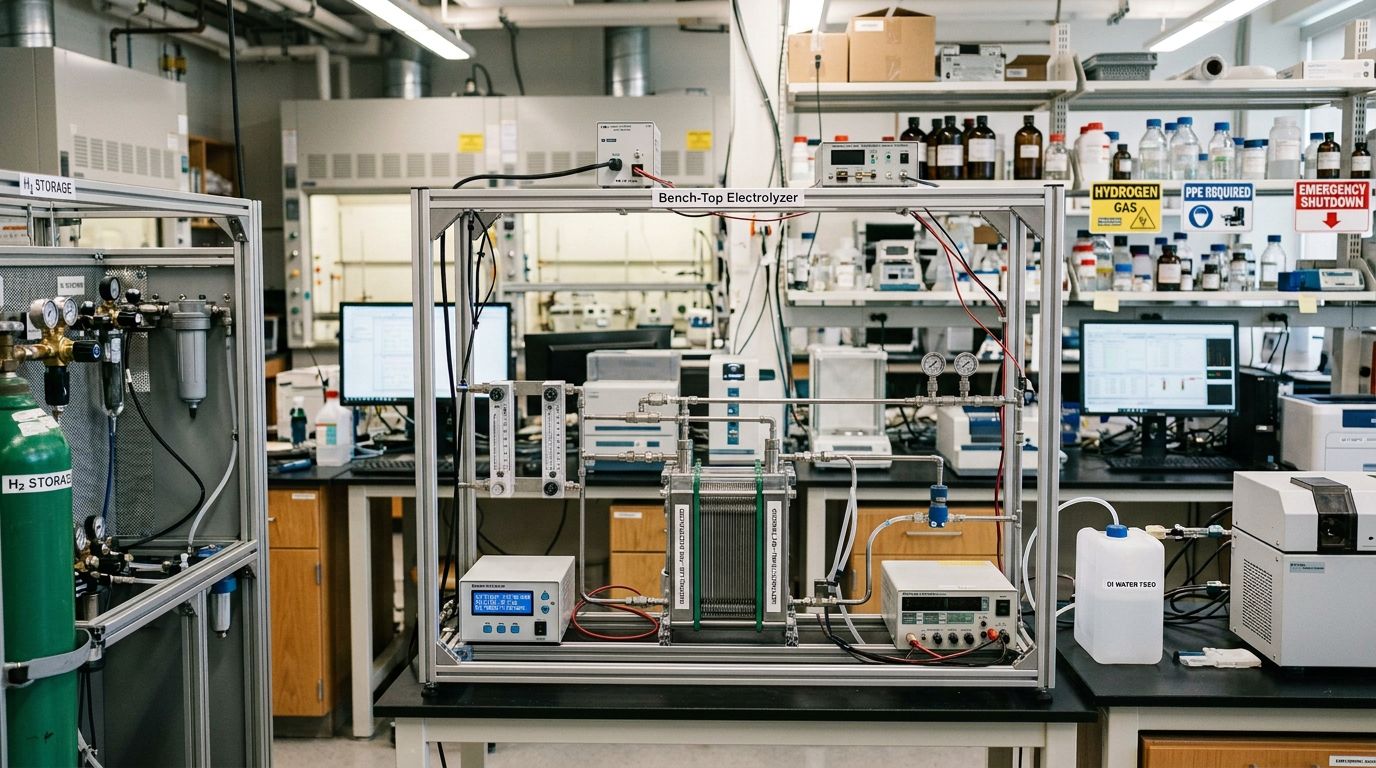
Punjab State Power Corporation Limited has issued a tender to develop 500 MW/1,000 MWh standalone battery energy storage systems in Punjab under the build, own, operate model. The projects will be located at two key substations, Ablowal in Patiala and Laltonkalan in Ludhiana, with each site planned for 250 MW/500 MWh capacity. The tender invites developers to submit bids by February 13, 2026, and the techno-commercial bids will be opened on February 16, 2026. This large-scale storage initiative is expected to support grid stability and help the state handle rising energy demand and renewable power integration.
Bidders need to pay ₹59,000 for the bid document and deposit a bid processing fee of ₹3 lakh plus GST. They must also provide an earnest money deposit calculated at ₹4.71 lakh per MW. Once selected, they will be required to submit a performance bank guarantee of ₹11.775 lakh per MW before signing the Battery Energy Storage Purchase Agreement. The minimum bid size allowed is 100 MWh, which is equal to 50 MW for two hours, and the minimum incremental bid size is 50 MW. PSPCL will sign a 12-year agreement with chosen developers, who will be responsible for installing and operating the system.
The developer must ensure the facility is available for charging and discharging as per PSPCL’s instructions. Power for charging will be drawn from the PSPCL or PSTCL network, and the stored energy will be injected back into the same network when required. Land for the project will be provided on a lease or right-to-use basis through a separate agreement. The BESS developer must make the system available for two operational cycles per day and maintain at least 95 percent availability every month.
The tender specifies that the energy management system software must be developed indigenously within India. The batteries used must be new, as the use of refurbished or second-hand cells is not allowed. The developer must also ensure the design quality meets industry standards. Noise levels from the installation must be kept under 80 decibels, and adequate sound barriers must be installed, considering possible future residential development near the sites.
The bidder must meet strict financial criteria. Their net worth must be at least ₹47.10 lakh per MW as of the last date of FY25 or within seven days before the bid submission deadline. They must also have a minimum annual turnover of ₹52.92 lakh per MW for FY25. Instead of turnover, they can demonstrate internal resource generation through PBDIT of at least ₹10.584 lakh per MW. Alternatively, a sanctioned line of credit of ₹13.23 lakh per MW from a bank or lending institution will qualify.
Subscribe to get the latest posts sent to your email.