By
12 min ago 3 min read
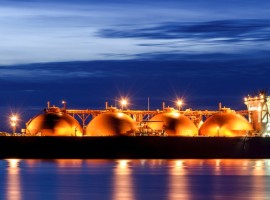
The Gulf state of Qatar is expected to resume its usual levels of liquefied natural gas (LNG) production “within a few weeks”, according to Prime Minister Mohammed bin Abdulrahman Al Thani.
Speaking to the Financial Times today, Al Thani said restoring output was a priority following months of disruption caused by regional conflict and damage to key energy infrastructure.
The comments come just a few days after an at QatarEnergy’s Barzan gas processing facility killed 13 people and injured 66.
The blast was reportedly caused by a technical malfunction during operations on 21 June and has raised fresh questions over both the pace of the country’s energy sector recovery and .
Iranian attacks knocked out 17% of Qatar’s LNG export capacity in March when two of the country’s 14 LNG trains and one of its two gas-to-liquids facilities were damaged in the strikes.
QatarEnergy had already suspended LNG production at Ras Laffan on 28 February after the outbreak of hostilities between the US, Israel and Iran, following a drone attack on the industrial complex.
The disruption tightened helium markets after LNG production was halted at Ras Laffan, a key source of crude helium supply.
Read more:
The country accounts for around 30% of the world’s helium production capacity, with more than 80% of its output recovered as a by-product of LNG processing at the Helium 1 and Helium 2 facilities in Ras Laffan Industrial City.
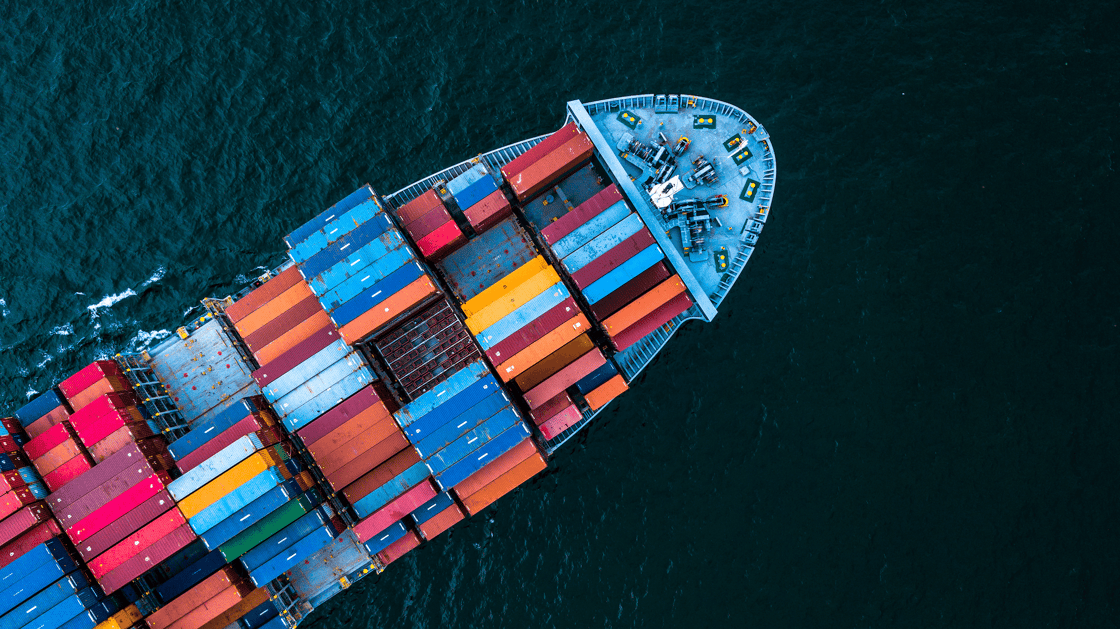
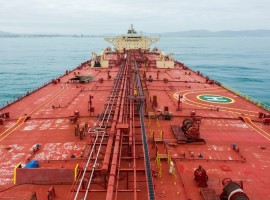
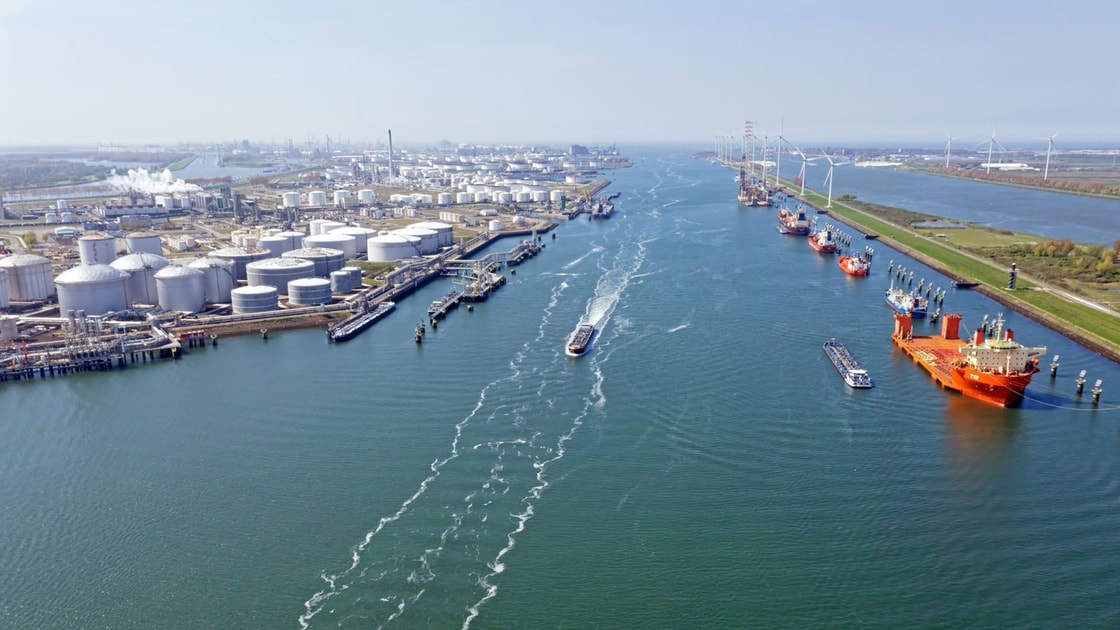
Compounding the impact was the of the Strait of Hormuz on 2 March following US and Israeli strikes on Iran. The waterway accounts for around 20% of global LNG trade and serves as the export route for almost all of Qatar’s LNG shipments.
While LNG tankers have the strait again following a US-Iran peace agreement reached on 15 June, shipping activity remains below pre-conflict levels.
Industry estimates suggest that a full return to normal flows could take until 2027 even if a lasting agreement is secured.
Al Thani told the FT that establishing a direct hotline between the US and Iran would be essential to maintaining stability and ensuring continued access through the strait.
Looking beyond the current disruption, Qatar is also progressing with its North Field expansion programme, which is expected to increase LNG production capacity from 77 million tonnes per year to 126 million tonnes per year by 2027.