By
37 min ago 3 min read
QatarEnergy has extended its force majeure on liquefied natural gas (LNG) deliveries to Italian utility Edison until the end of December 2026, with a further three cargoes affected.
Edison disclosed the extension in a notice on the platform of Italy’s energy market operator Gestore dei Mercati Energetici, according to Reuters, moving the deadline from early December.
The latest extension adds to a disruption that has prevented QatarEnergy from fulfilling its contractual LNG delivery obligations to Edison since April, following damage to Qatari LNG facilities and trade disruptions linked to the conflict involving Iran.
Edison’s long-term supply agreement with QatarEnergy covers 6.4 billion cubic metres (bcm) of natural gas annually, equivalent to around 10% of Italy’s total consumption. The 25-year contract has been in place since 2009.
The latest development follows an announcement in , when QatarEnergy extended the force majeure period to early December, affecting six additional cargoes.
At that point, 35 cargoes had been affected since the initial declaration, representing approximately 4.6bcm of natural gas.
As of 28 September, Edison had replaced 23 of those cargoes, equivalent to around 2.3bcm, through alternative sourcing. The company said it remained able to secure sufficient gas to meet customer demand and fulfil its commercial commitments.
QatarEnergy initially declared force majeure on affected deliveries in April, following disruption to LNG production and exports.
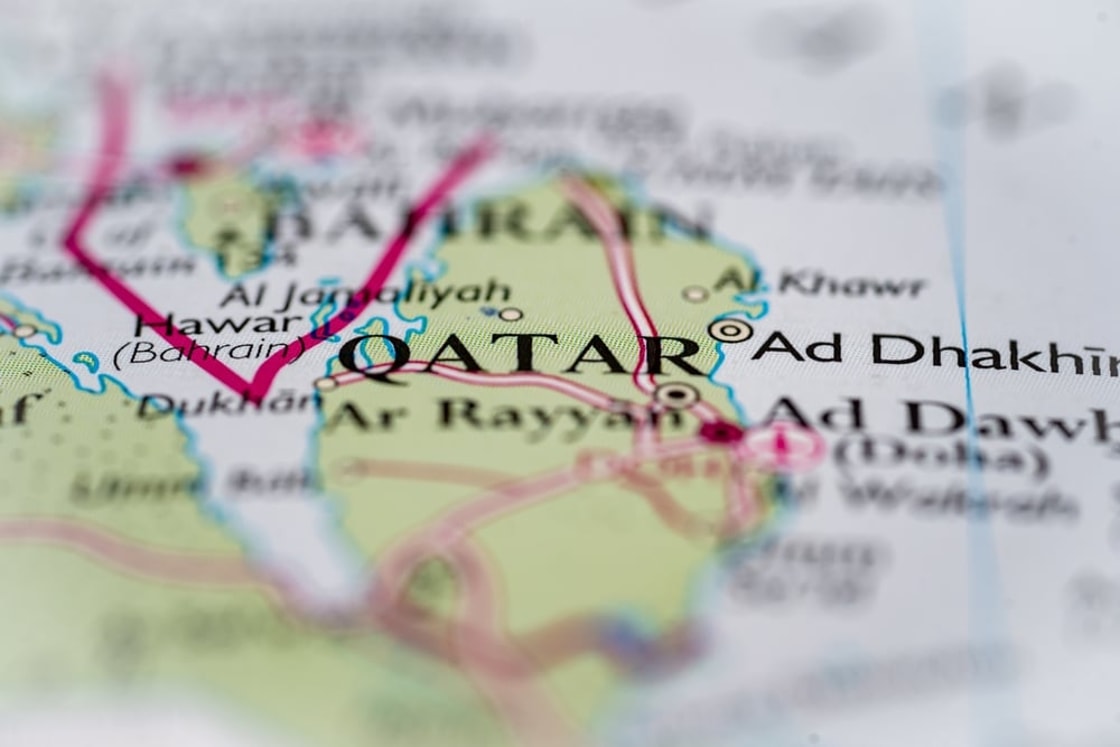
Damage to facilities at , Qatar’s principal LNG export hub, has compounded the impact of restrictions on shipments through the Strait of Hormuz.
The prolonged disruption has removed Qatari LNG volumes from international markets, forcing buyers in Europe and Asia to seek replacement supplies. With the northern hemisphere entering the winter heating season, continued uncertainty over cargo availability adds to competition for alternative LNG supplies.
The impact has also extended beyond LNG, with damage to Qatar’s gas infrastructure affecting other export streams, including helium.
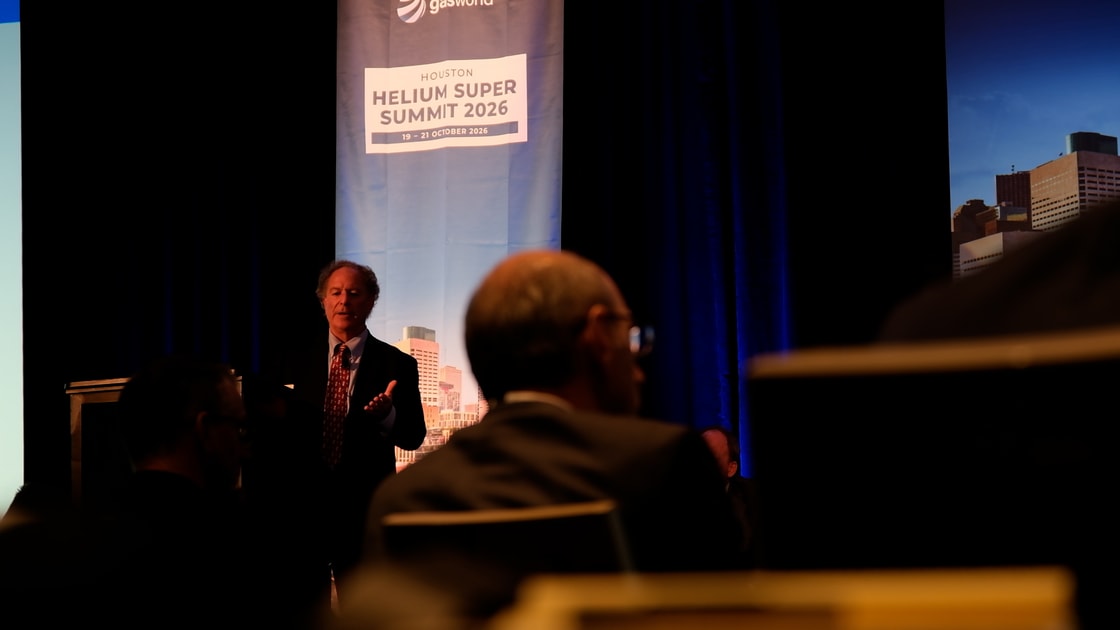
Around 30% of the world’s helium capacity comes out of Qatar and 80% of this is produced as a by-product of LNG production. Maritime exports from the region are even in the first quarter of 2027, according to a Sibylline analyst.
QatarEnergy has previously warned that repairing damaged LNG facilities could take .