China has made rapid progress in research and development (R&D) over the past decade, especially under its “Made in China 2025” strategy. With focused planning and heavy investment, the country has strengthened its position in global high-tech manufacturing. This has been achieved through a clear, goal-oriented approach to innovation. By 2024, China’s total R&D spending reached nearly $500 billion, or 2.68% of its GDP. Much of this has been directed towards basic research and strategic industries. In contrast, India’s R&D investment is much lower, at around 0.7% of GDP, with less than $100 billion spent annually.
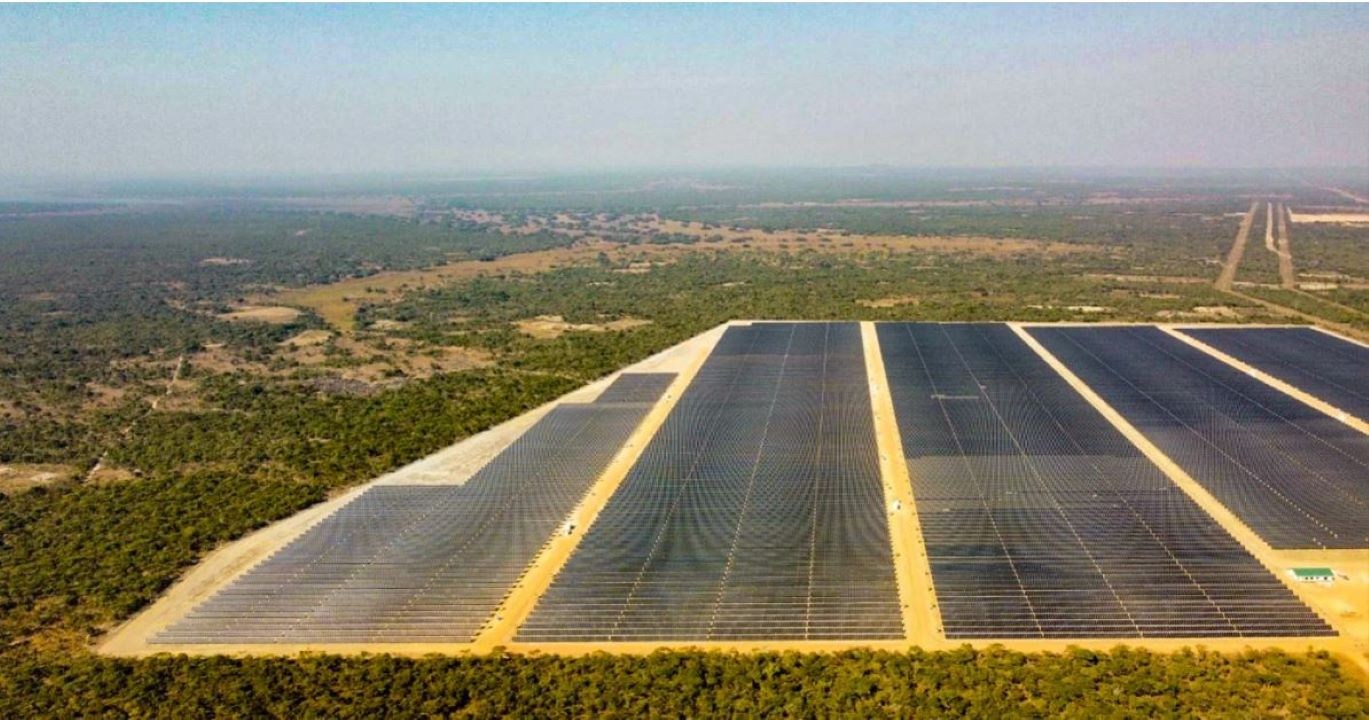
China’s success is rooted in a highly integrated model that connects academic institutions, state-owned enterprises, and private tech firms. These groups work together to turn ideas into practical applications quickly. China has set up 40 national laboratories to support innovation in priority sectors like electric vehicles (EVs), renewable energy, semiconductors, quantum computing, and high-speed rail. For example, Chinese company BYD has overtaken Tesla to become the world’s top EV manufacturer. The country has also pioneered sodium-ion batteries and maintains 95% control over the global solar panel market.
In telecommunications, Huawei remains strong in 5G despite facing international restrictions. China has also taken a lead in quantum communication with achievements like the Micius satellite. In semiconductors, even with limited access to advanced tools, Chinese firms like SMIC have started making 7nm chips. Breakthroughs in robotics and smart manufacturing have created a strong Industry 4.0 ecosystem. Projects like the Jakarta-Bandung High-Speed Rail highlight China’s dominance in railway exports.
From 2020 to 2025, China’s innovation timeline is filled with key milestones. In biotech, gene-edited organ transplants and mRNA vaccine platforms have advanced rapidly. In artificial intelligence, the release of Chinese large language models shows growing competitiveness with global players. New semiconductor materials developed in 2025 promise to boost chip performance tenfold. The world’s largest hybrid solar-wind farm, completed in the Gobi Desert, shows China’s large-scale renewable energy efforts.
China’s patent output has grown sharply, with 4.76 million valid domestic invention patents by the end of 2024. Many of these are in fields like AI, quantum tech, and advanced materials. These achievements are the result of focused efforts and close coordination between research, industry, and government.
When comparing India to China, the differences are striking. India’s R&D investment is lower in both scale and strategic focus. India spends more on basic research and is government-led, while China focuses on applied research and increasingly involves private players. Moreover, China’s targeted investments in ten key industries have delivered real-world breakthroughs and global leadership.
To catch up, India needs a long-term R&D vision, strong execution, and greater private-sector involvement. Without this, the country may continue to lag in critical technologies that define the future.