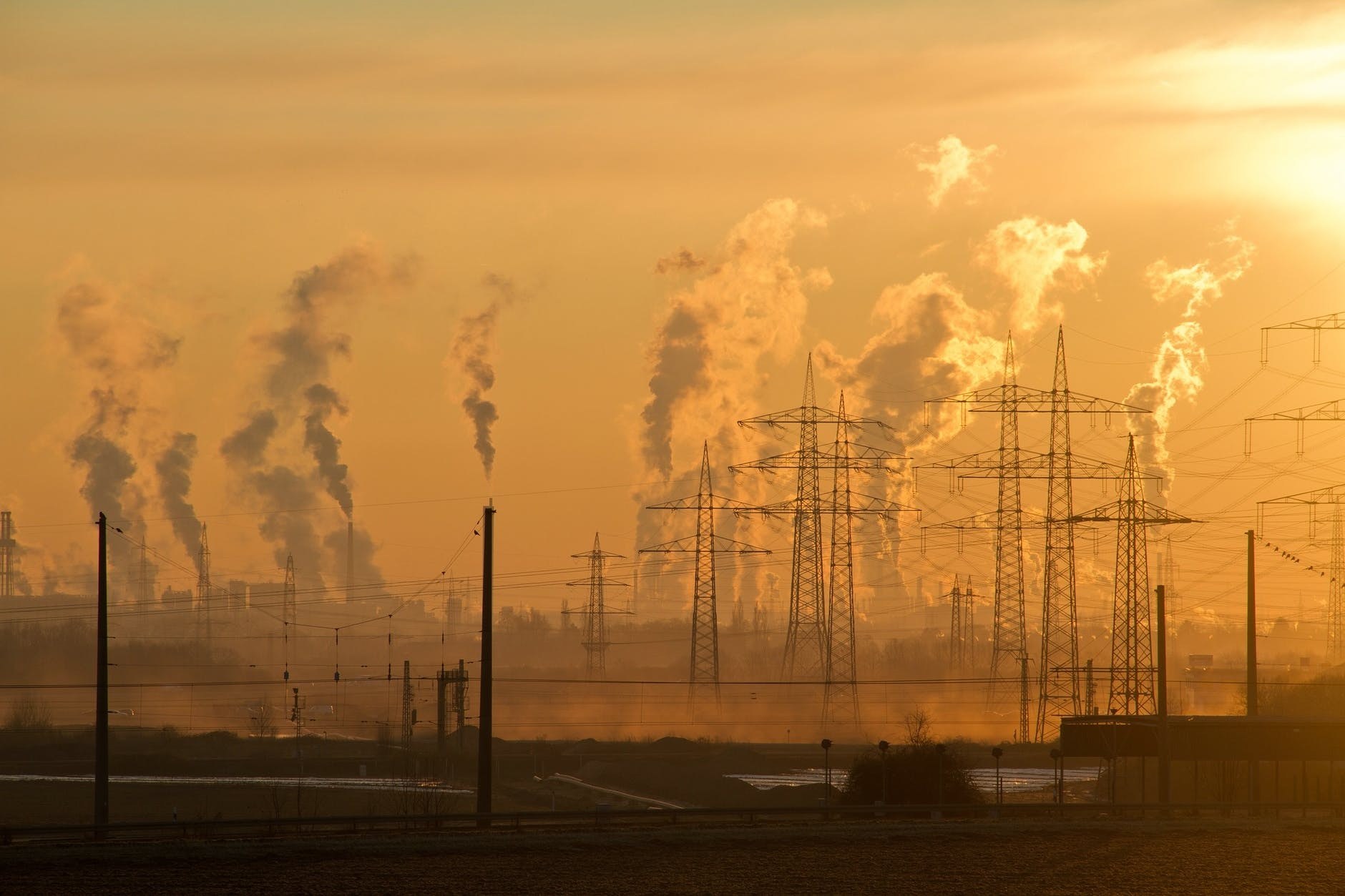
The Rajasthan Urja Vikas and IT Services Limited (RUVITL) has submitted a petition seeking approval for procuring 3,200 megawatts (MW) of round-the-clock power. This procurement is planned through a competitive bidding process, in line with guidelines from the Ministry of Power, Government of India. The primary focus of this petition is the procurement of electricity from thermal power stations that will be designed, built, financed, owned, and operated by selected developers. However, the discussions around solar energy in Rajasthan, as part of the state’s broader energy plans, highlight the important role solar power is expected to play in balancing future energy needs.
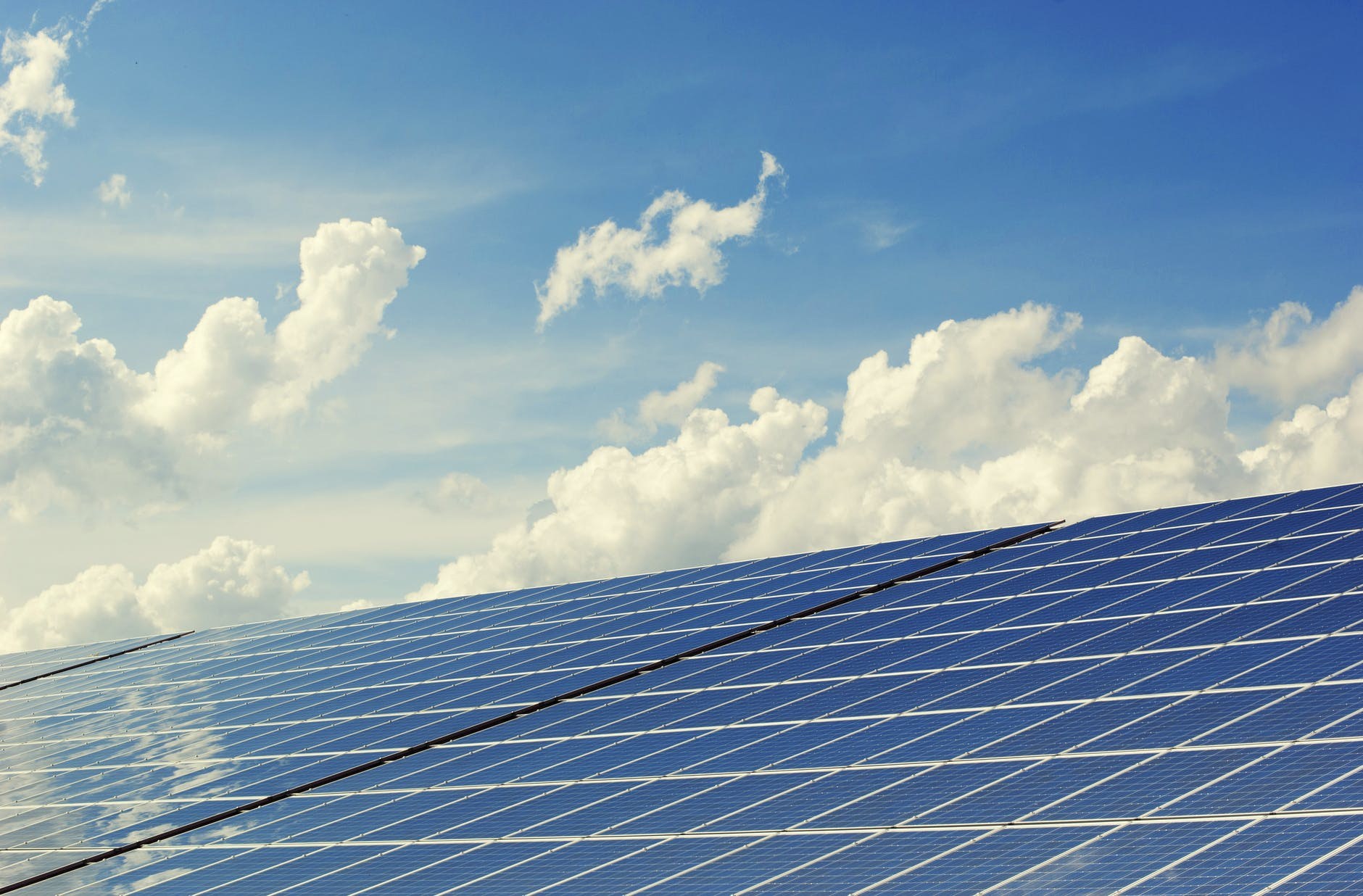
The Energy Assessment Committee (EAC) has analyzed Rajasthan’s increasing power demand and identified a significant energy deficit that will grow in the coming years. To address this issue, the government has approved the addition of thermal and renewable power capacity. According to the Resource Adequacy Plan prepared by the Central Electricity Authority (CEA), Rajasthan will require an additional 19,322 MW of solar capacity by the financial year 2029-30. This target reflects a strong commitment to expanding renewable energy sources, particularly solar power, to meet future energy demands and reduce reliance on traditional fossil fuels.
In its recent budget announcements, the Rajasthan government emphasized the promotion of decentralized solar energy systems. These systems, often supported through schemes like KUSUM, aim to provide solar energy solutions for rural areas, farmers, and smaller consumers. The focus is on localized energy generation, which helps in reducing transmission costs and ensures a stable power supply in remote regions.
The integration of large-scale solar power projects was also part of RUVITL’s initial plan. A bundled approach that included 3,200 MW of thermal power with 8,000 MW of solar power was proposed to ensure a balanced energy mix. However, challenges in transmission infrastructure development and reassessment of solar requirements led to a review of this strategy. The government now plans to encourage solar energy projects that are more decentralized rather than centralized, mega-scale solar parks.
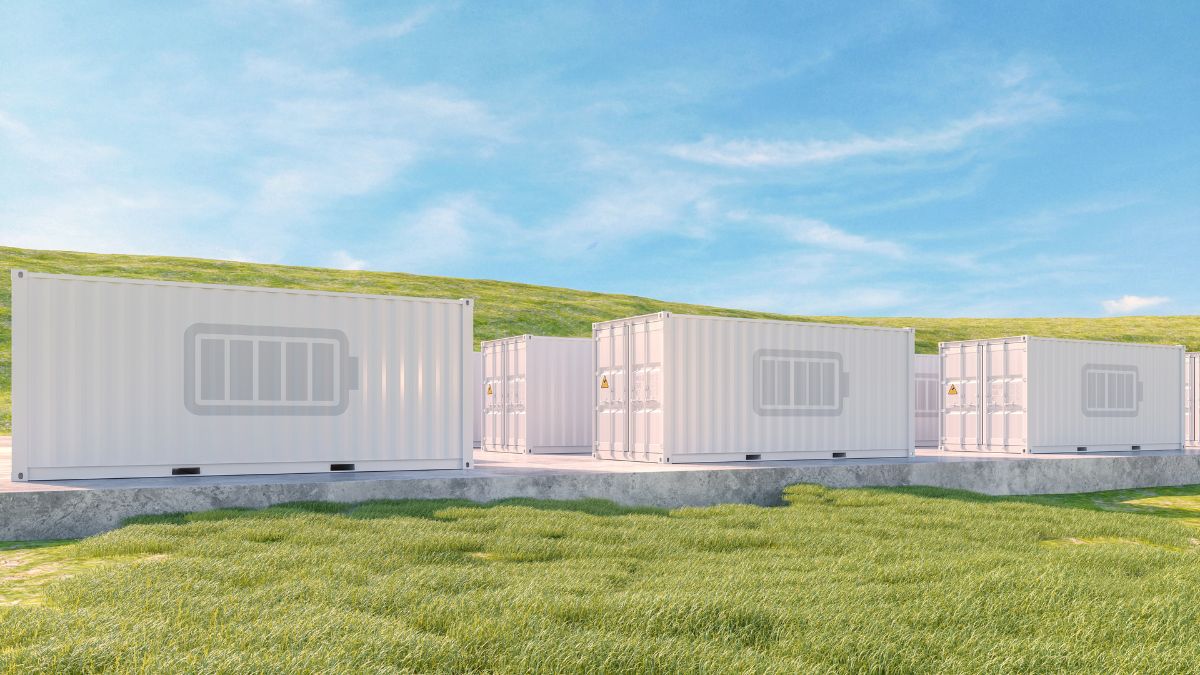
Additionally, Rajasthan is exploring energy storage projects to address the intermittent nature of solar energy. Storage solutions are crucial to maintaining grid stability, especially when renewable energy generation fluctuates due to weather conditions. These projects will ensure that solar power can be reliably integrated into the state’s energy grid.
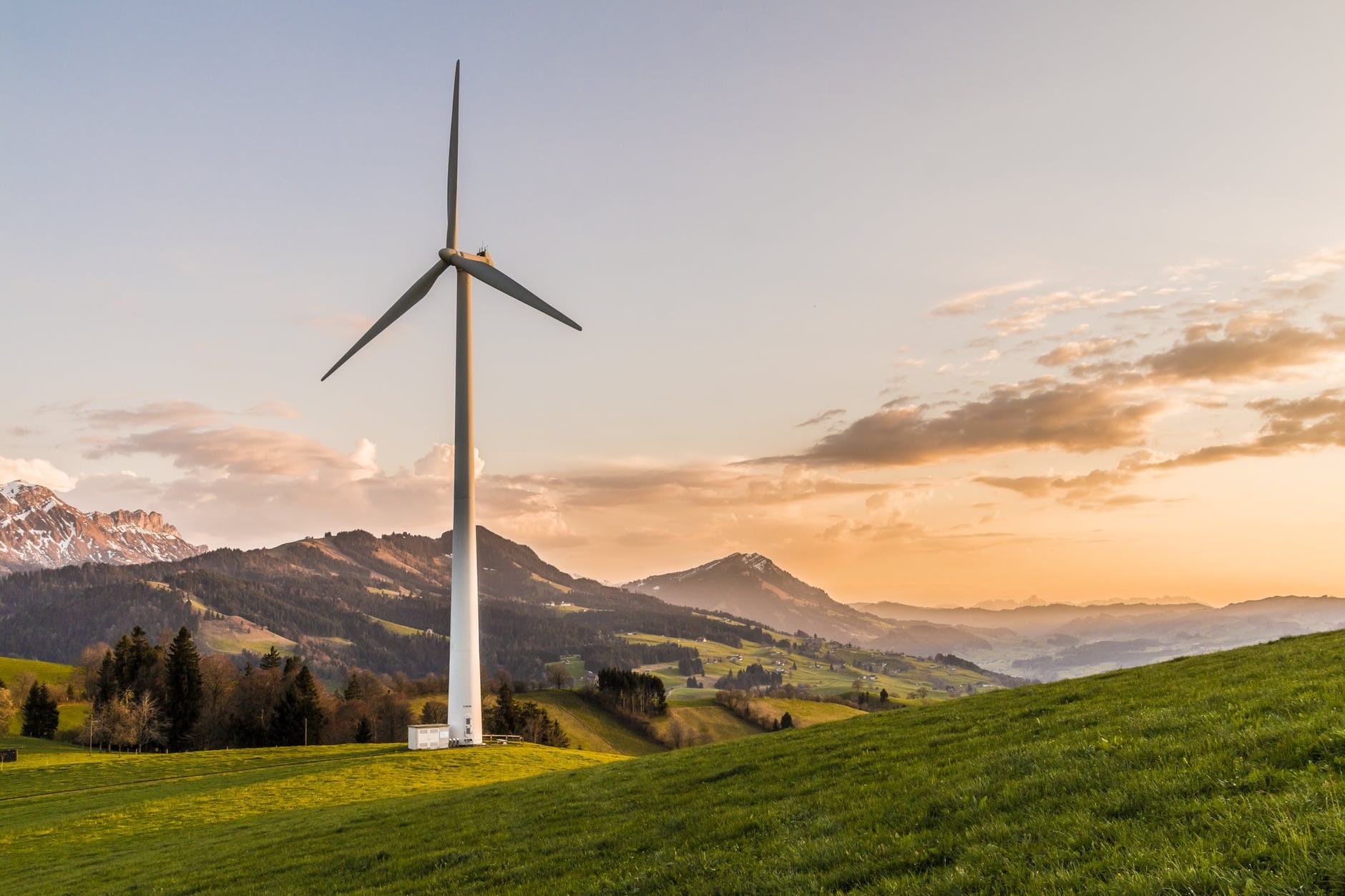
Overall, while the focuses on thermal power procurement, Rajasthan’s energy strategy continues to prioritize solar power development. The state aims to leverage its vast solar potential and favorable climate conditions to achieve its renewable energy targets. These efforts are expected to reduce carbon emissions, promote sustainable development, and create new economic opportunities through green energy initiatives. Solar energy will play a key role in Rajasthan’s energy security and environmental sustainability in the coming years.