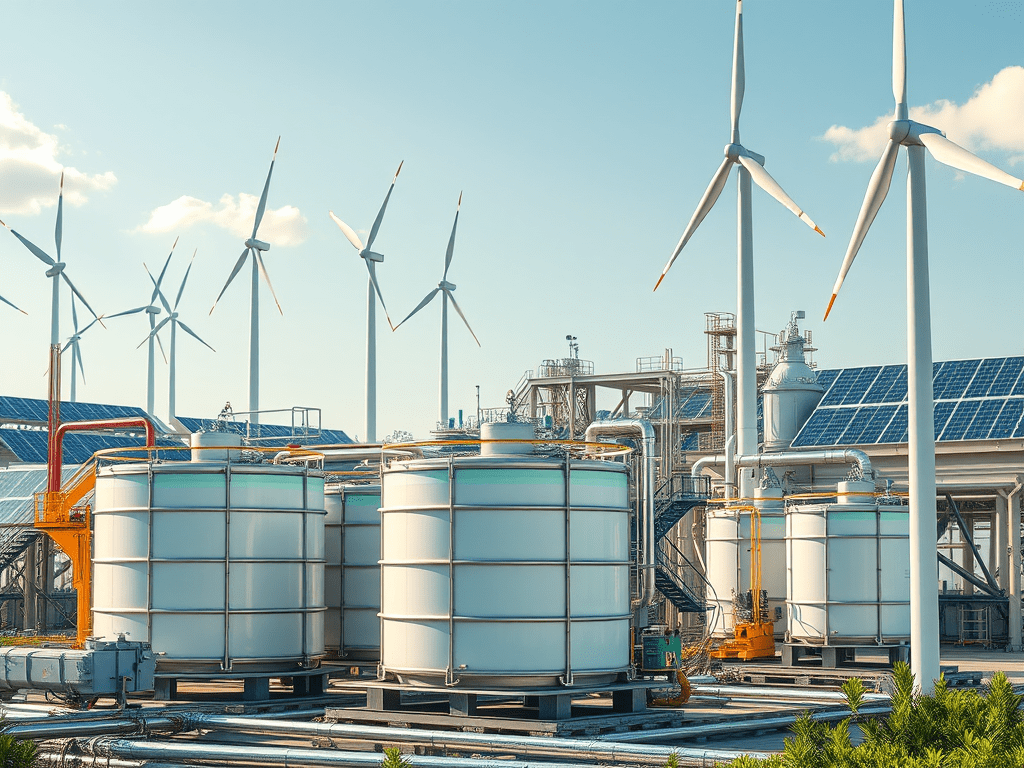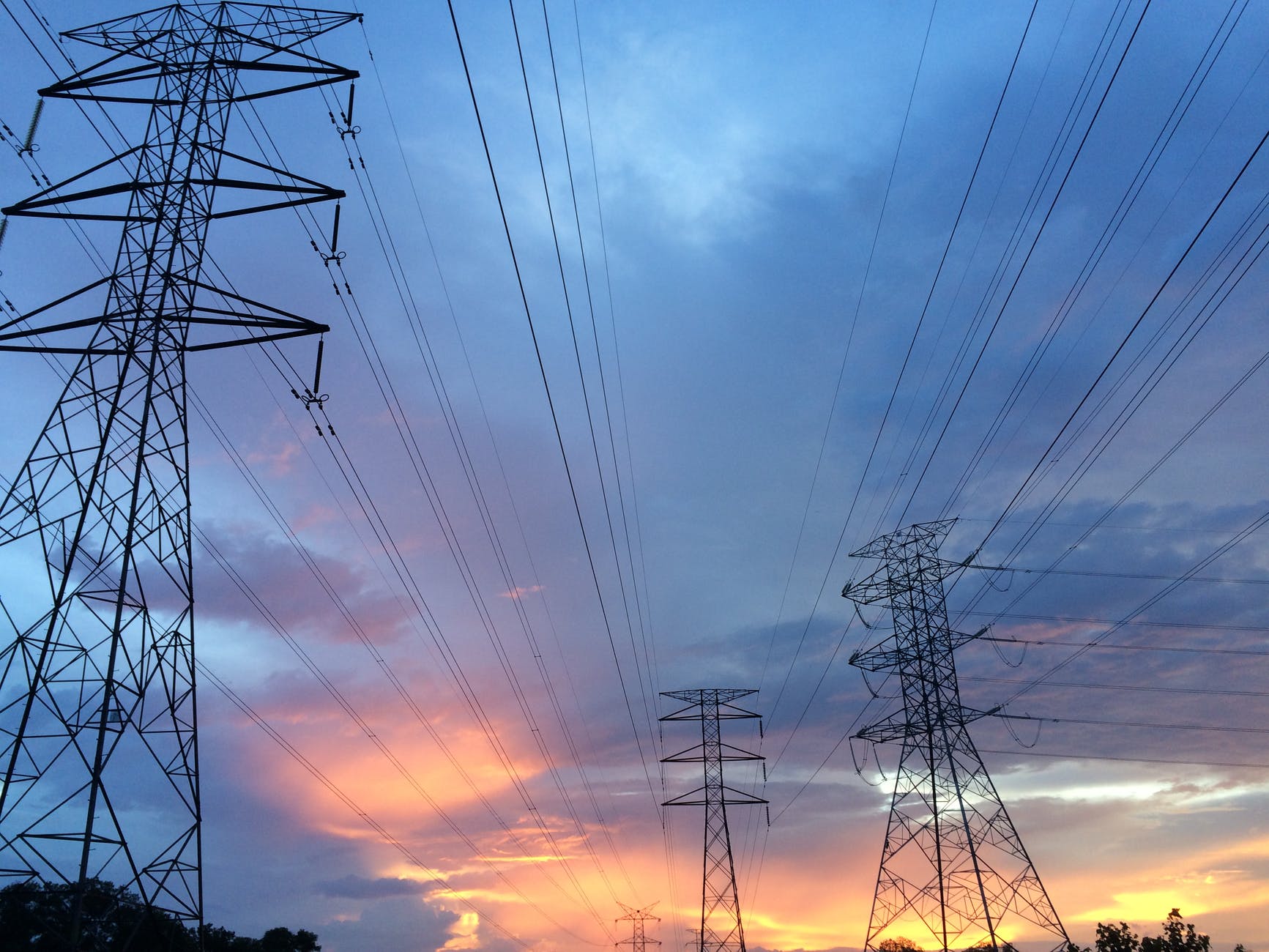
India’s energy landscape has been undergoing a significant transformation, shifting from a fossil fuel-dominated system to one that increasingly relies on renewable energy. This transition aligns with the country’s ambitious goals to reduce carbon emissions and enhance energy security. In this context, the methodology for determining the capacity credit of generation resources and the coincident peak requirement of utilities plays a crucial role in ensuring reliable and efficient power supply.
The concept of capacity credit is essential in evaluating how much dependable power a generation resource can contribute to the electricity grid. Unlike conventional thermal power plants, which provide a stable output, renewable energy sources such as solar and wind are variable and dependent on weather conditions. Therefore, system planners must adopt scientific approaches to determine the capacity credit of these resources to optimize energy planning and grid stability.
To assess the capacity credit of renewable energy sources, empirical generation data from the past two to three years is used. This approach accounts for recent historical events but does not fully capture uncertainties related to climate variability or extreme weather conditions. The demand from 2022-23 and 2023-24 has been considered in calculations, while data from 2020-21 and 2021-22 were excluded due to disruptions caused by the COVID-19 pandemic. As the demand profile evolves, future capacity credit calculations will be updated annually to reflect these changes.
In determining the coincident peak requirement of utilities, the methodology focuses on the top demand periods when multiple states experience their highest energy consumption simultaneously. For solar power, generation is generally concentrated between 07:00 and 18:00, which means peak demand during non-solar hours must be met by alternative sources such as wind, hydro, and battery energy storage systems (BESS). The coincident peak methodology helps utilities plan their capacity tie-ups effectively, ensuring that sufficient power is available even during high-demand periods.
Battery energy storage systems and pumped storage plants (PSP) are critical in balancing renewable energy supply and demand. Their capacity credit is calculated based on their ability to discharge power during peak demand hours. Unlike traditional power plants, energy storage systems have a limited duration of operation, depending on their storage capacity. If a battery system is designed for two hours of storage, but the peak demand lasts for five hours, its effective capacity credit is adjusted accordingly.
To improve grid reliability and resource adequacy, the methodology considers transmission and distribution constraints, ensuring that capacity credits reflect the real-world availability of power rather than the theoretical installed capacity. Additionally, load segregation and demand management strategies are recommended to stagger peak demand across different regions, reducing stress on the grid.
Stakeholders, including state electricity regulators, private utilities, and industry experts, have provided feedback on the proposed methodology. One of the key recommendations was to calculate capacity credit based on energy generation in million units (MUs) rather than installed capacity in megawatts (MW). This shift allows for a more comprehensive assessment of seasonal and diurnal variations in renewable energy output. Another suggestion was to integrate demand-side programs into capacity credit calculations. While demand response initiatives can help manage peak loads, their effectiveness remains uncertain, particularly during extreme weather conditions.
The methodology also incorporates advanced analytical techniques such as the k-means clustering algorithm to identify critical demand days. By analyzing historical demand and generation data, utilities can better predict high-stress periods and plan accordingly. This approach enhances the accuracy of capacity credit estimations, helping utilities secure firm commitments for power procurement.
India’s renewable energy sector continues to expand rapidly, with solar capacity growing from just 2.63 GW in 2014 to over 81 GW by 2023. With a target of achieving 50% installed capacity from non-fossil sources by 2030, it is crucial to refine methodologies for capacity credit assessment and coincident peak requirement planning. By adopting a structured and data-driven approach, India can ensure a stable, reliable, and sustainable power supply for the future.