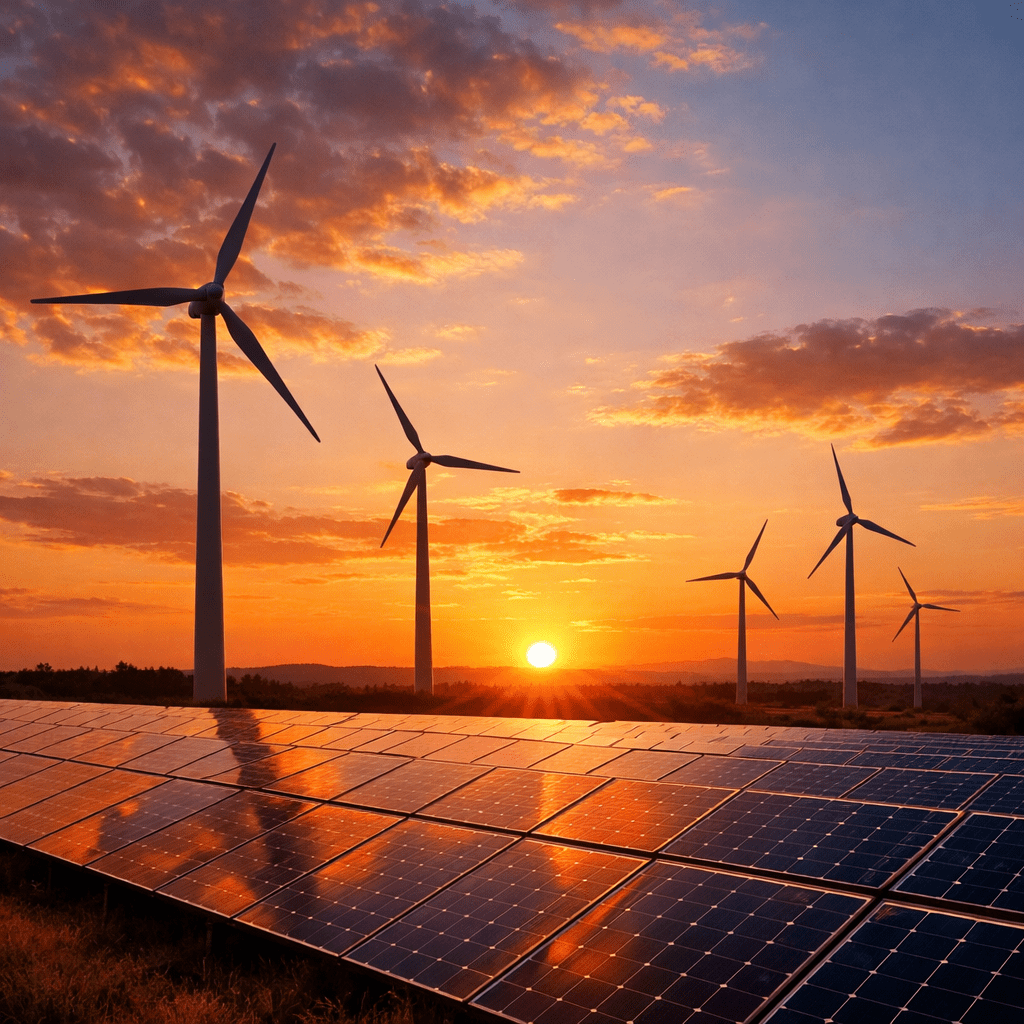
On Renewable Energy Day, India’s journey toward a sustainable and secure energy future comes into sharper focus. The country has already achieved a remarkable milestone by reaching 50% of its installed electricity capacity from non-fossil fuel sources, five years ahead of its commitment under the Nationally Determined Contributions (NDCs). This achievement demonstrates not only India’s global leadership in clean energy but also its determination to build a robust and resilient renewable energy ecosystem. At the heart of this transformation is solar photovoltaic (PV) technology, which has emerged as the driving force of the renewable energy revolution in the country.
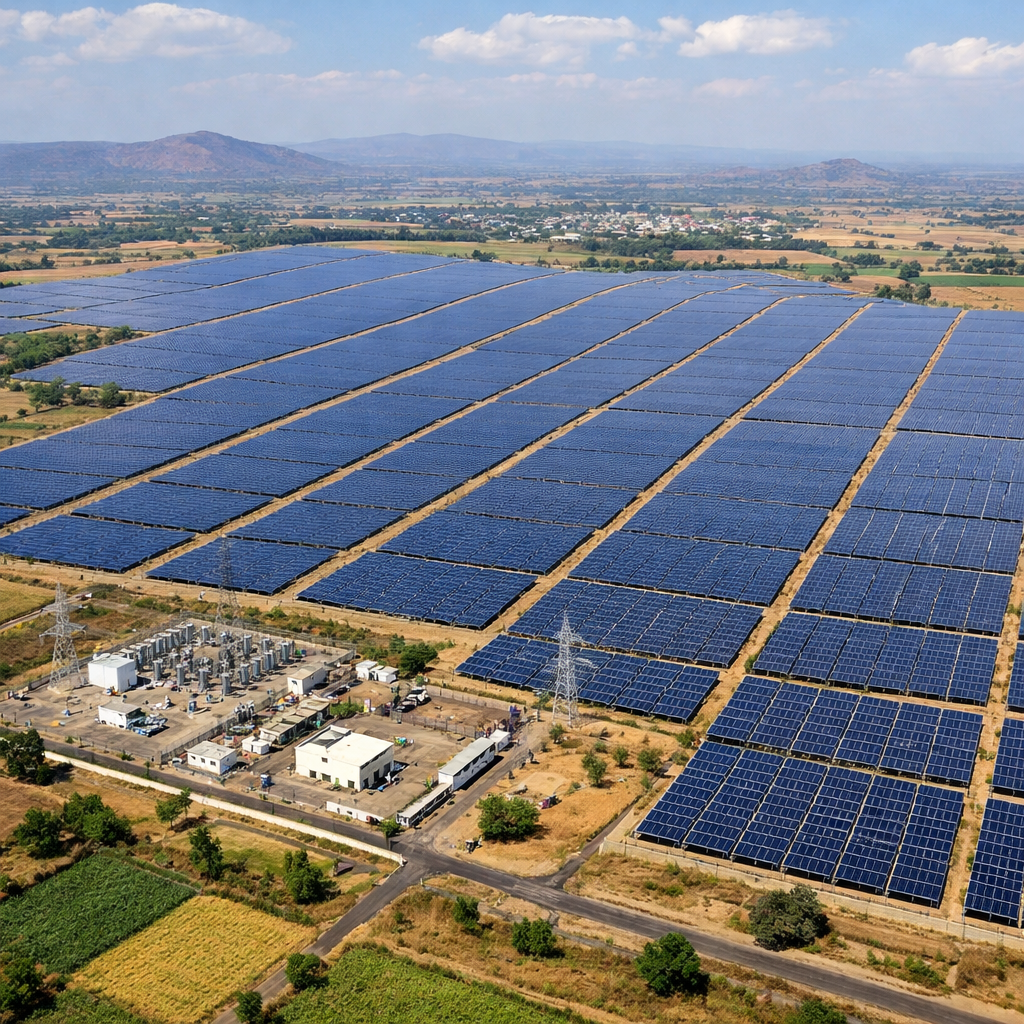
Solar PV is no longer seen as just an alternative source of energy—it has become the backbone of India’s clean energy expansion. With an installed capacity now crossing 119 GW, solar is playing a dominant role in propelling India toward its ambitious target of 500 GW of non-fossil capacity by 2030. This rapid growth is also enabling Atmanirbhar Bharat by fostering domestic manufacturing and reducing dependency on imports. Integrated solar cell and module manufacturing facilities in India are creating reliable and high-quality solutions, ensuring a stable energy supply and supporting industries, businesses, and communities in their transition to renewable energy. By strengthening local capacity, solar is not only meeting power demand but also fueling industrial growth and energy independence.
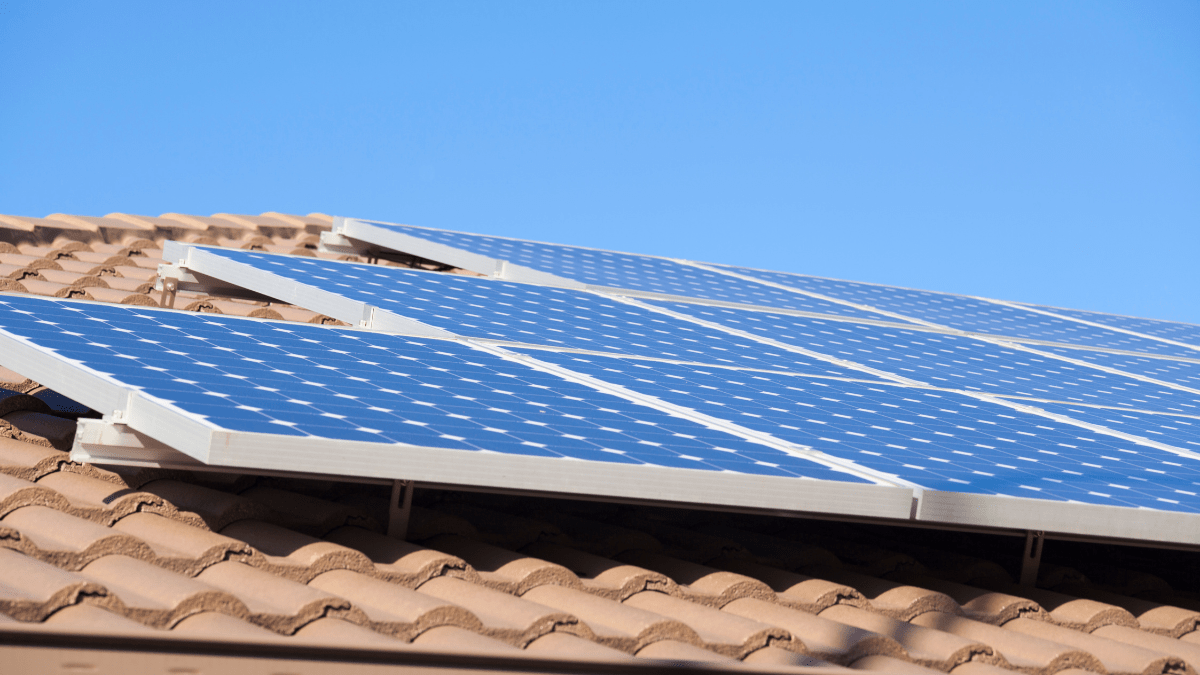
The scale of opportunity ahead is immense. Studies, including those from TERI, indicate India has over 10,800 GW of untapped solar potential. Programs such as the PM Surya Ghar initiative are further accelerating adoption by promoting rooftop solar, with installations expected to double to 4 million households in the coming years. These initiatives empower communities, reduce energy costs for families, and build resilience against rising fossil fuel prices. At the same time, they help India move closer to its sustainability goals while ensuring that growth remains inclusive and environmentally responsible.
India’s renewable energy capacity has also expanded with the addition of 30 GW in just a short span, highlighting the speed and momentum of the transition. For industries, solar energy is supporting decarbonization strategies, helping reduce emissions while providing reliable electricity for operations. For rural areas and households, it ensures access to affordable and uninterrupted power, improving quality of life and enabling economic development.
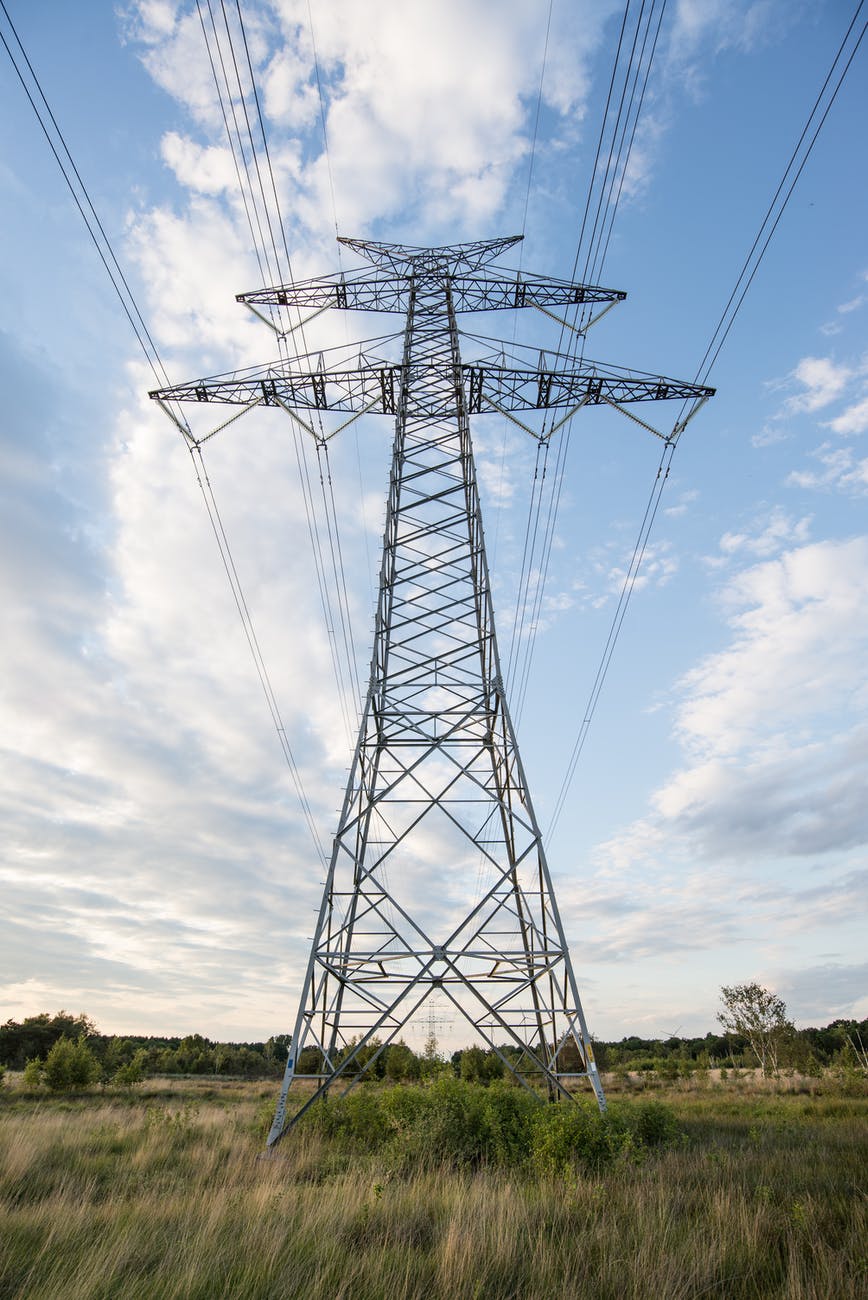
However, challenges remain. Instances like the 48% curtailment of solar output in Rajasthan and over 50 GW of stranded projects underline the need for stronger transmission infrastructure, better grid integration, and advanced energy storage solutions. Addressing these challenges with a robust policy framework and supportive ecosystem will be critical in accelerating progress toward India’s net-zero targets. Companies such as Hitachi Energy and Saatvik emphasize the importance of ensuring reliability, resilience, and large-scale integration of renewable power into the grid, which will be key for a smooth and stable transition.
Mr. N Venu, MD & CEO, India and South Asia, Hitachi Energy, said, “On Renewable Energy Day, we reaffirm our commitment to India’s energy transition, ensuring a reliable, uninterrupted supply for today and future generations. At Hitachi Energy, we focus on grid integration, reliability, and resilience through pioneering technologies and deep expertise. India achieving 50% installed capacity from non-fossil fuels, five years ahead of its NDC target, marks a milestone in building a robust clean energy ecosystem.”
Mr. Suhas Dhonthi, President & CEO, Emmvee, mentions, “India’s renewable energy journey is at a pivotal stage, with solar PV driving clean energy and industrial growth. At Emmvee, we view solar as energy independence, with integrated manufacturing delivering 7.80 GW of modules and 2.94 GW of cells by March 2025. By offering high-quality, locally made solutions, we reduce imports, support industries and communities, and accelerate India’s path toward a sustainable, self-reliant energy ecosystem.”
Mr. Prashant Mathur, CEO, Saatvik Green Energy, stated, “India’s renewable growth is fueled by 30 GW clean energy additions and TERI’s estimate of 10,800 GW solar potential. Programs like PM Surya Ghar will double rooftop adoption, aiding decarbonization and sustainability. Yet, challenges remain—grid curtailments of 48% in Rajasthan and 50 GW stranded projects highlight the urgent need for infrastructure and policy support. With storage, transmission, and robust policies, India’s net-zero progress can accelerate significantly.”
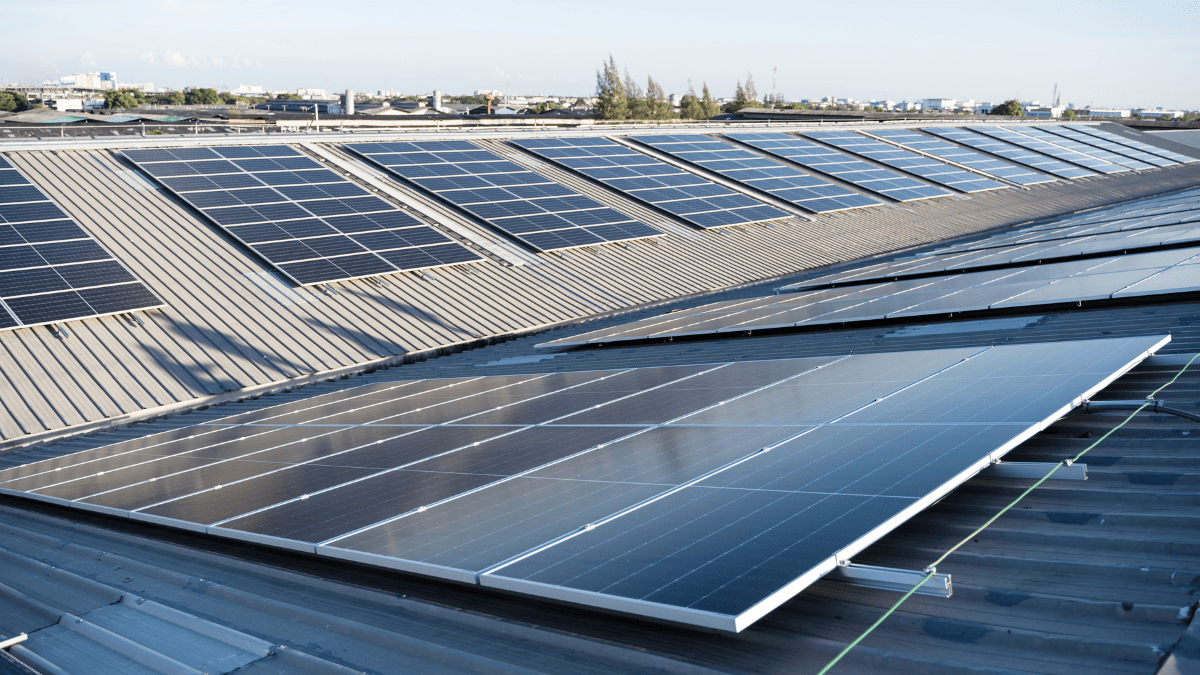
Mr. Simarpreet Singh, Executive Director & CEO, Hartek Group, said, “Solar PV is powering India’s clean energy growth, with capacity surpassing 119 GW, making solar central to achieving 500 GW non-fossil capacity by 2030. This rapid scale-up supports Atmanirbhar Bharat, affordable energy, and climate resilience. As a leading EPC, Hartek is advancing this momentum—connecting 10 GW of solar to the grid and executing 200 MW of rooftop installations—strengthening India’s sustainable energy transformation.”
As India celebrates Renewable Energy Day, the message is clear: solar PV is powering the nation’s clean energy trajectory and driving the renewable revolution. It is enabling India to align its economic growth with climate responsibility, ensuring energy independence, and building a sustainable future for the next generation. With continuous efforts, supportive policies, and innovative technologies, solar PV will remain the cornerstone of India’s journey toward a greener, stronger, and more self-reliant nation.
Subscribe to get the latest posts sent to your email.