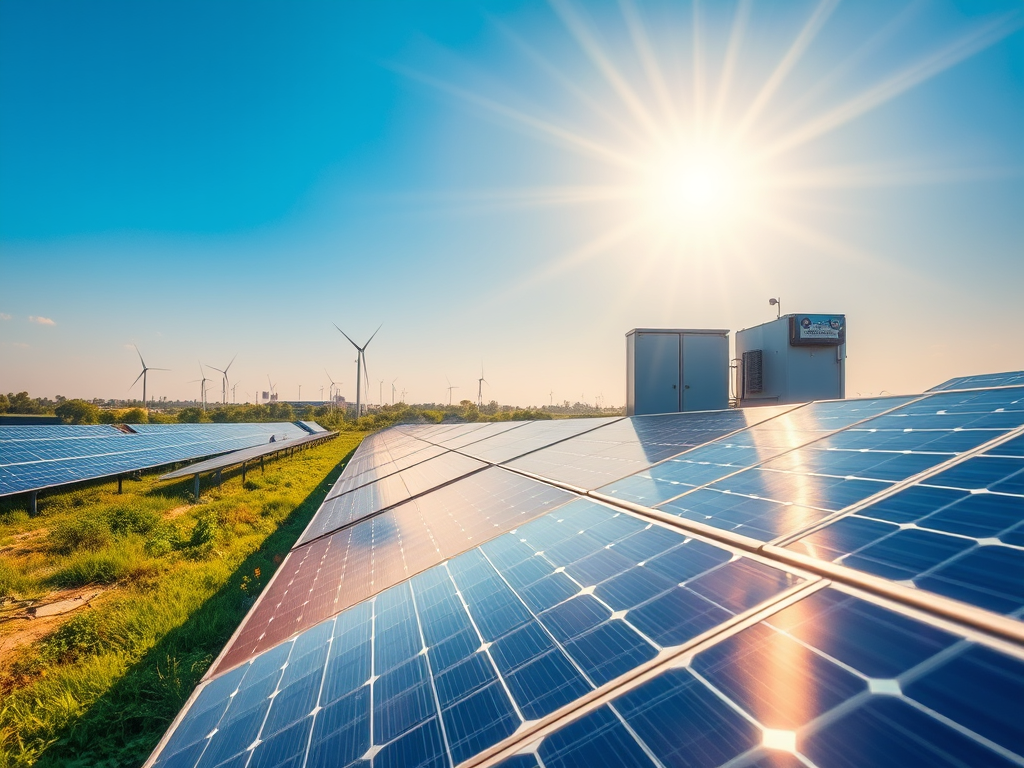
While several Western countries are rethinking or slowing their climate commitments, Saudi Arabia is moving in the opposite direction, pushing ahead strongly with its transition toward a green economy. The Kingdom is rapidly expanding its renewable energy capacity as part of a broader plan to remain a global energy leader while reducing its long-standing dependence on crude oil.
This transition is guided by Vision 2030, Saudi Arabia’s national development plan. One of its key goals is to generate 50% of the country’s electricity from renewable sources by the end of this decade. Recent progress shows that the pace has picked up sharply. By the end of 2024, Saudi Arabia’s total installed renewable energy capacity reached around 6.5 gigawatts, a significant increase compared to previous years. The government now plans to tender about 20 gigawatts of new renewable capacity every year, with a long-term target of reaching 130 gigawatts by 2030.
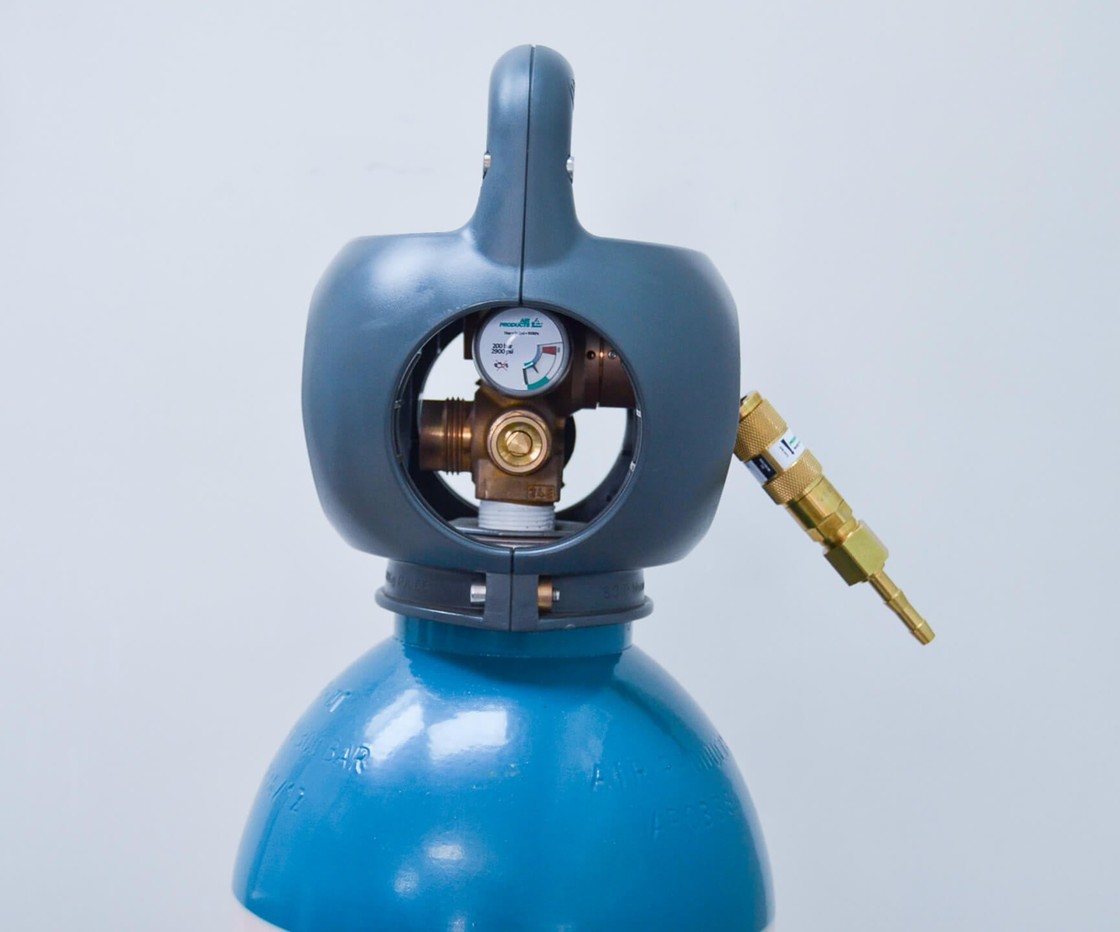
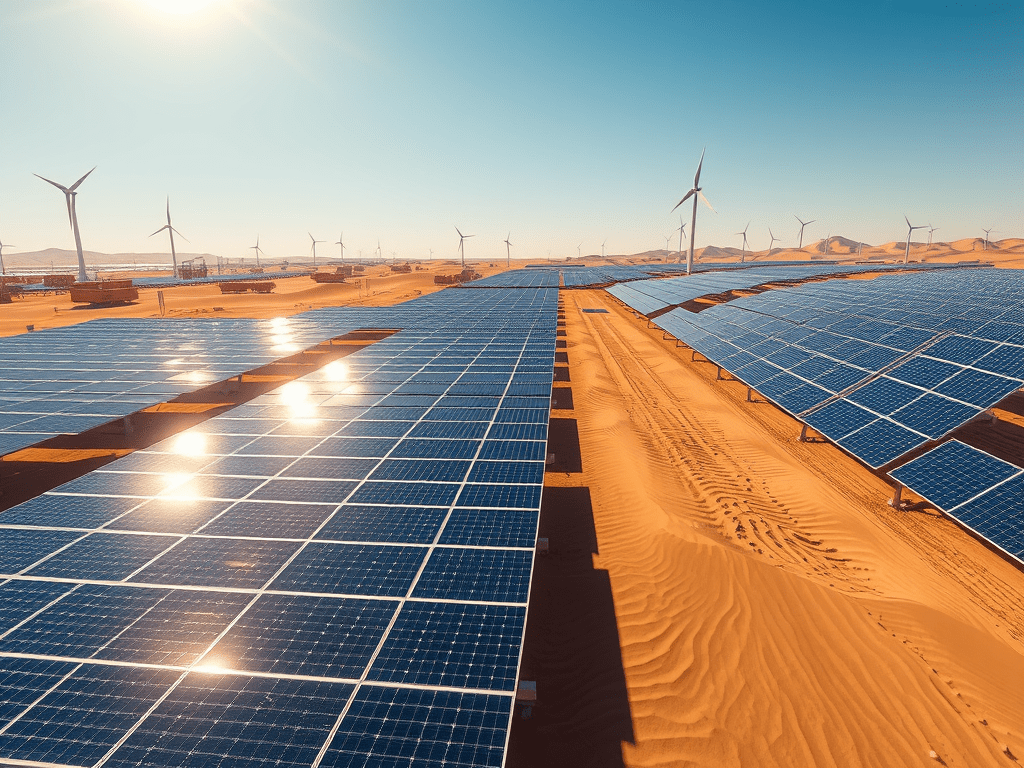
A major feature of Saudi Arabia’s renewable push is its focus on building projects at very large scale and at low cost. The country has repeatedly set global records for the lowest cost of solar power, helped by its vast desert land and high solar radiation. Large solar projects such as Al Shuaibah and Sudair are already supplying electricity to hundreds of thousands of homes. Alongside solar and wind power, the Kingdom is also exploring geothermal energy near the Red Sea and investing heavily in green hydrogen to reduce emissions from industry and create new export opportunities.
Unlike countries where changes in political leadership have weakened climate policies, Saudi Arabia’s approach is driven mainly by economic logic. By shifting domestic electricity generation to renewables and natural gas, the country can reduce the amount of oil burned for power. This allows more oil to be exported, supporting national revenues while lowering emissions at home.
To support faster project development, Saudi Arabia has launched one of the world’s largest renewable resource mapping exercises. The survey covers an area nearly equal to France and the UK combined and uses around 1,200 advanced weather stations. The data collected will help investors better understand wind and solar potential, reduce risks, and cut project timelines.
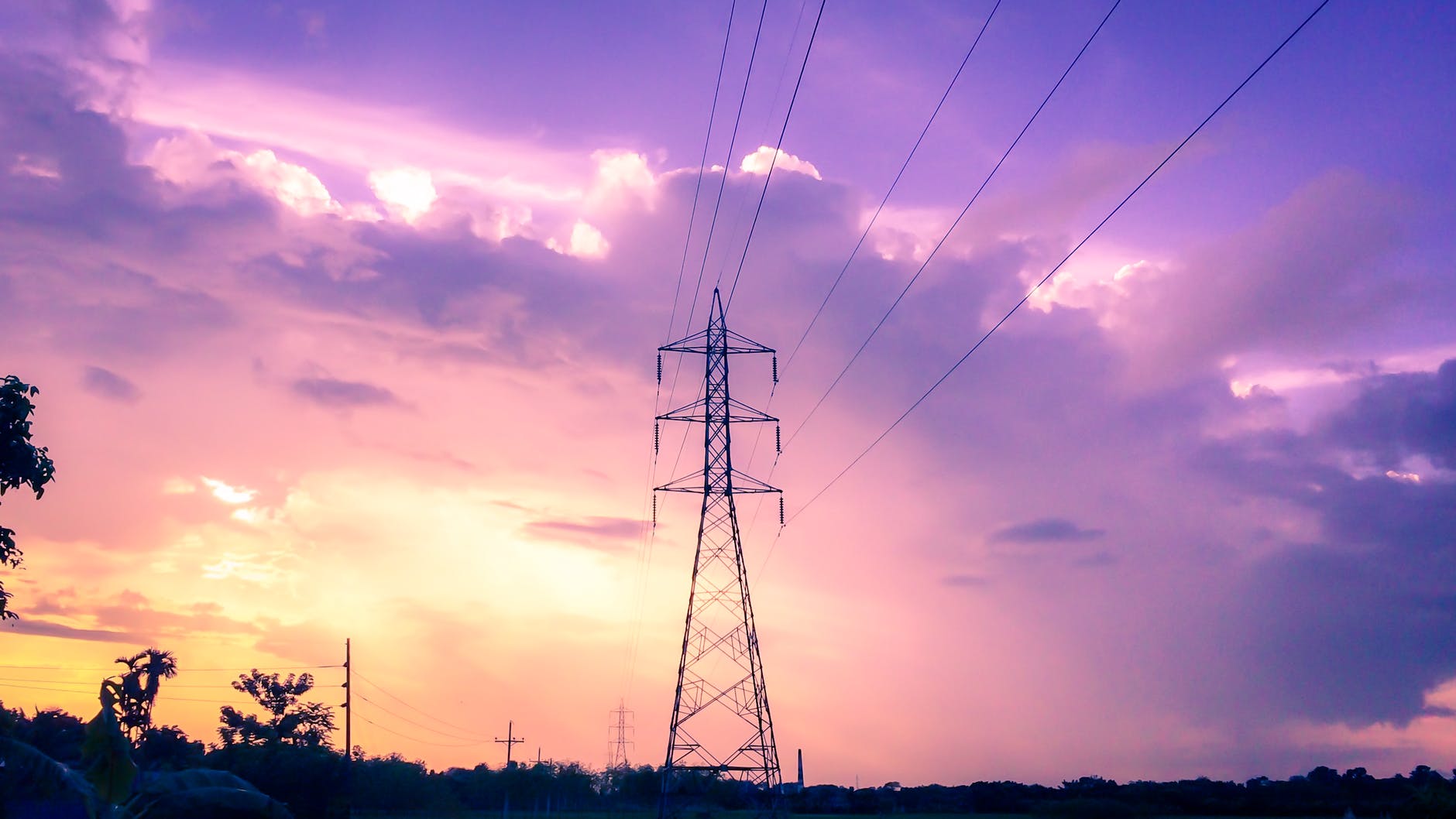
The Kingdom is also strengthening partnerships with international players, especially Chinese companies, to localize manufacturing of solar panels and batteries. This move aims to build a domestic clean energy industry and position Saudi Arabia as a future exporter of renewable technology. Despite challenges such as upgrading the power grid, the country’s current actions point to a clear and steady commitment to a cleaner energy future.
Subscribe to get the latest posts sent to your email.