- Repeal resolution heads next to Trump for his signature
- Ends incentive to control leaks of potent climate-warming gas
By
The Senate voted Thursday to repeal a new US fee on climate-warming methane emissions from oil and gas producers, sending the measure to the White House for President Donald Trump’s signature.
The repeal, which would be a boon to oil and gas producers but abandons an incentive to control releases of a potent greenhouse gas, comes as congressional Republicans begin to deploy a powerful legislative tool to roll back regulations adopted late in the Biden administration.
The White House declined to comment on Trump’s intentions for the measure, though he has fiercely criticized Biden administration oil and gas regulations as too burdensome on the industry.
The US energy industry faces $560 million in fines this year for continuing methane leaks, according to Environmental Protection Agency projections, though the amount is forecast to fall thereafter as companies fix leaks and adjust production processes. Critics say the overall cost of complying with the regulation would likely be much higher.
The fee, which was mandated in President Joe Biden’s signature climate law, started at $900 per metric ton for emissions of methane in excess of a government threshold and is set to climb to $1,500 per metric ton in 2026.
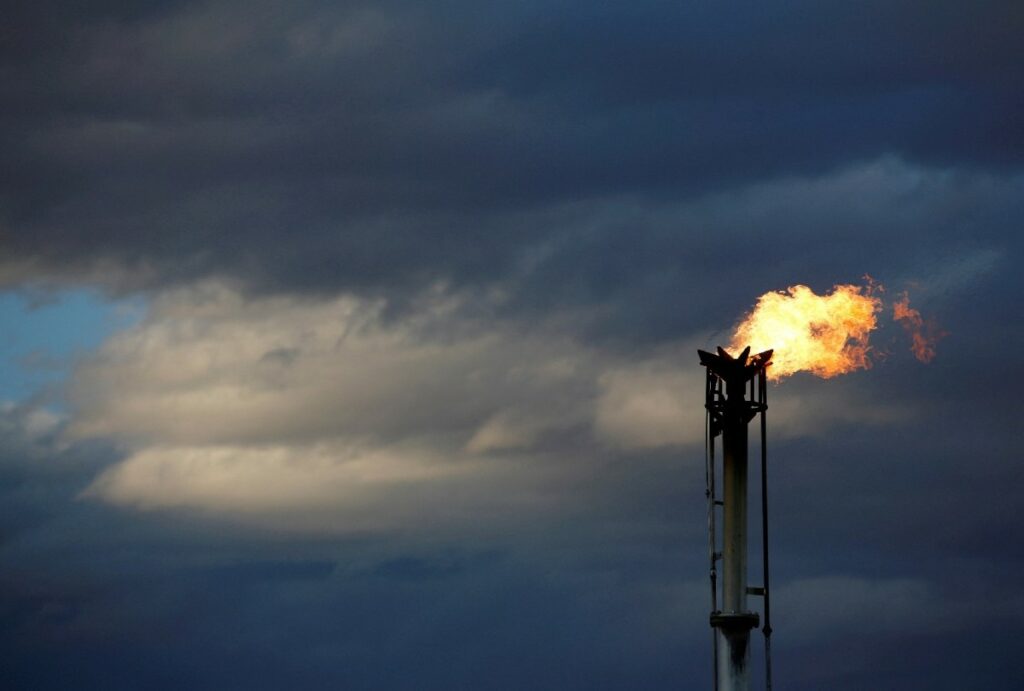
Methane, the chief component of natural gas, is a powerful greenhouse gas estimated to have some 80 times the warming power of carbon dioxide during the first 25 years after it is released into the atmosphere. Cutting emissions of the pollutant, which leaks from pipes, wells, compressor stations and other oil-field equipment, is one of the most immediate steps that can be taken to slow the rate of climate change.
But the rule, which was finalized by the EPA in November, came under fire from Republicans as well as opponents in the oil and gas industry, who argued the fee on leaks placed too much burden on producers.
The Senate voted 52 to 47 to repeal the rule. The House passed a repeal resolution on Wednesday.
Separate EPA and Interior Department regulations designed to stem leaks of methane from oil and gas operations would remain in place even if the methane fee is repealed.
Republicans are targeting regulations through the Congressional Review Act, which allows lawmakers to rescind Biden-era rules that were finalized in the last few months of his presidency. The act allows lawmakers up to 60 congressional working days after a regulation is adopted to overturn the rule through an expedited procedure that bypasses the Senate’s filibuster rule, which ordinarily takes 60 votes to overcome.
Republicans have introduced roughly 40 resolutions targeting Biden-era rules, according to the Coalition for Sensible Safeguards, an alliance of consumer, labor and public interest groups. Rules finalized in August or later are subject to repeal using the CRA with a deadline for Republicans to act by mid-May, according to the Washington-based group.
Among them are a measure rolling back Energy Department efficiency standards for certain gas-fired water heaters that passed the House Thursday and a resolution rescinding an Interior Department rule requiring offshore oil and gas leaseholders to submit archaeological reports prior to production. That measure passed the Senate Tuesday.
Other rules being targeted for repeal include EPA regulations on lead in drinking water, Treasury Department rules related to bank mergers, and Internal Revenue Service regulations related to digital asset sales.
“It’s an obscure law, but it’s also incredibly powerful,” said Rachel Weintraub, executive director of the Coalition for Sensible Safeguards. “It definitely enables them to very quickly repeal critical rules that cover anything.”
Share This:
More News Articles