As Congress prepares to debate a new tax package impacting solar and storage credits, misinformation about the industry is gaining traction. To help policymakers and the public separate fact from fiction, the Solar Energy Industries Association (SEIA) has issued key clarifications addressing common myths about solar energy. Here’s the truth about solar’s reliability, cost, and role in the U.S. energy landscape:
Myth #1: Solar is unreliable
Fact: Solar is among the most predictable and reliable sources on the grid. It consistently performs during high-demand periods—especially hot summer days—by powering air conditioning at scale. Unlike fossil fuels that depend on complex, long-distance supply chains, solar ramps up predictably during the day and pairs seamlessly with batteries to meet early evening demand. For homeowners, solar-plus-storage systems offer energy independence and protection from blackouts.
Myth #2: Solar raises energy costs
Fact: Solar has lowered energy costs for decades. Even under the Trump administration, the U.S. Department of Energy found that solar installation costs had dropped by 80%. Recent studies—and even utility executives—warn that removing energy credits would lead to immediate spikes in electricity bills. With zero fuel costs and declining installation prices, solar remains one of the most affordable energy solutions for families and businesses alike.
Myth #3: Solar weakens the grid
Fact: Solar strengthens grid reliability and flexibility. Diverse energy mixes that include solar are more resilient and affordable. Solar also supports the grid through ancillary services like voltage control and can be deployed in microgrids or virtual power plants. During extreme weather events, when traditional fuel supply chains fail, solar and storage have repeatedly proven to be critical backup power sources.
Myth #4: Solar uses too much land
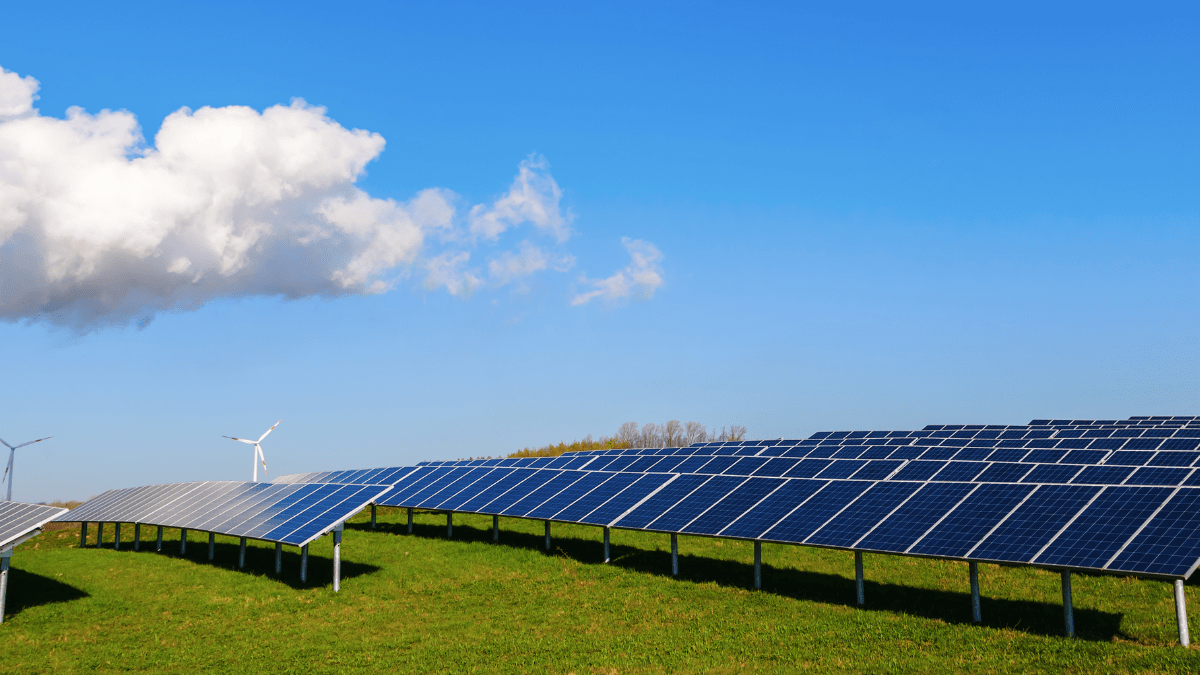
Fact: Solar and storage systems can be deployed on rooftops, over parking lots, and near population centers—reducing the need for large-scale transmission infrastructure. This flexibility enhances grid resilience and minimizes land use compared to many conventional energy sources.
Myth #5: Solar is made overseas
Fact: The U.S. now manufactures enough solar panels to meet 100% of domestic demand—a six-fold increase from just a few years ago. Battery and component manufacturing is also expanding rapidly across the country, from California to the Carolinas, supporting thousands of American jobs.