By
15 min ago 2 min read
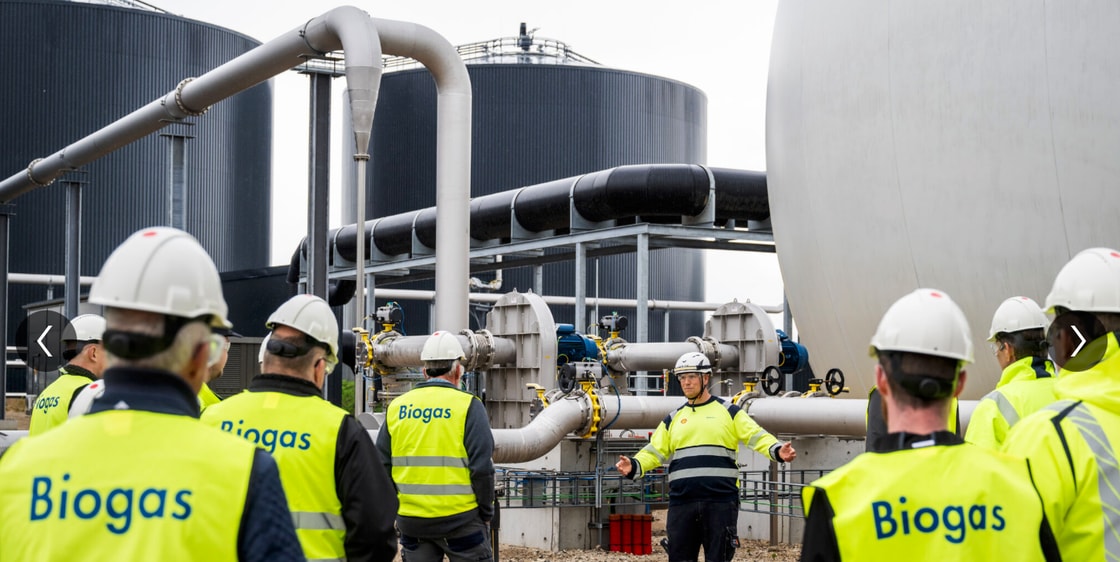
Shell’s Aarhus biogas facility can now process 700,000 tonnes of waste and output about 20 million cubic metres of biomethane annually following an 18-month upgrade.
Biomethane can now be sent directly into the Danish gas grid, and gas can be stored, ensuring a steady supply when renewable loads are low.
Key benefits from the upgrade are providing low-carbon molecules for sectors that are difficult to electrify and recycling nutrients back into agriculture, helping reduce the need for artificial fertilisers, according to Shell Low Carbon Solutions.
“Importantly, biogas can be transported and used in existing infrastructure, helping deliver benefits today while supporting the transition to a lower-carbon energy system,” it added.
The Aarhus facility, originally built in the 1990s and formerly known as Baanlev, has been modernised to raise capacity and meet demand for converting waste and residues from agriculture, households and the food industry into renewable gas.
Denmark continues to be among the most active biogas markets in Europe.
Danish biogas systems manufacturer capture at its BioEnergi facility in Kalundborg.
Biomethane producer carrying captured biogenic CO2 has rolled out from its biogas-based carbon capture and storage facility in Vesthimmerland.
added more than 1 billion cubic metre (bcm) of annual production capacity in a year and surpassed 8 bcm for the first time, up 17% on 2025, according to the European Biogas Association.