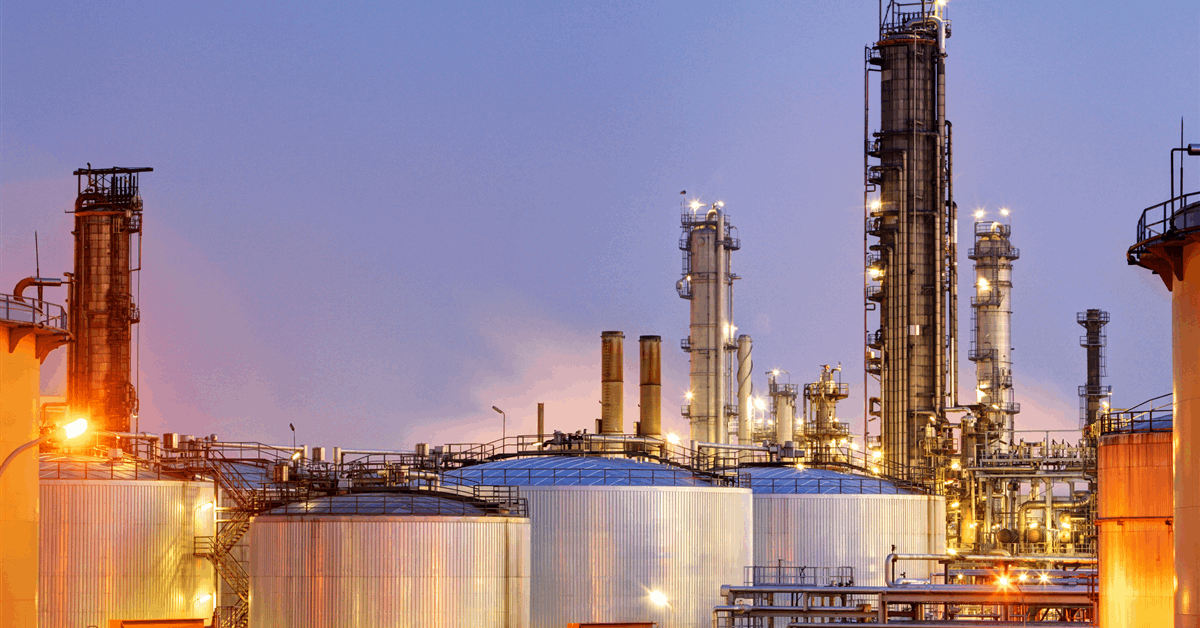
Shipowners and oil traders are staying away from Russia-backed Nayara Energy Ltd. as part of the fallout faced by the Indian refiner, after it was singled out in the latest round of European Union sanctions.
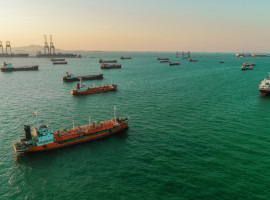
At least one oil tanker, the Talara, u-turned and sailed away from Vadinar port on Sunday, according to Bloomberg ship-tracking data. The vessel was meant to pick up a cargo of fuel – likely diesel – from Nayara, shipbrokers said. The booking was cancelled following Friday’s sanction, they said, and the cargo was not loaded.
Another tanker, the Chang Hang Xing Yun, that was on its way to Vadinar this week, halted off the southwestern coast of India, ballasting, ship-tracking data and chartering fixtures show. The ship is now heading to the Arabian Gulf to pick up cargoes bound for southern Africa, after its previous plans to load products from Vadinar were cancelled yesterday, shipbrokers said.
Shipbrokers added owners have become wary of dealings with Nayara this week, be it fuel exports or crude imports. Rosneft PJSC holds a 49.13 percent stake in the Indian processor.
Global oil market observers are waiting to see if the hesitation among shipowners will spread beyond logistics to trading counterparties and even financiers. Indian refiners have been seeking more clarity from the EU in the past days on a variety of matters including Nayara’s blacklist and a ban on the diesel supplies made from Russian crude.
Owners from Greece to Norway control a significant portion of the world’s shipping fleet, with companies likely to adhere to EU restrictions to some extent. Since the Ukraine war in 2022, however, Greek owners have played a crucial role in the Russian oil trade, particularly when barrels were below the price cap.
Talara’s diversion adds to the concerns surrounding Nayara, after it sought advance payment or letters of credit even before its fuel shipments are loaded.
Traders said that the move could be indicative of concerns around payment difficulties after loading, among other possible financial complications. The request left market participants wondering how they could take part in future tenders from the refiner, as payments made 15-30 days after cargo loadings remain the industry norm.
Nayara has said it is exploring legal and other options to protect its interests, while Rosneft has called the EU sanctions “unjustified and illegal.”
What do you think? We’d love to hear from you, join the conversation on the
The is a new social experience created for you and all energy professionals to Speak Up about our industry, share knowledge, connect with peers and industry insiders and engage in a professional community that will empower your career in energy.