By
1 hour ago 2 min read
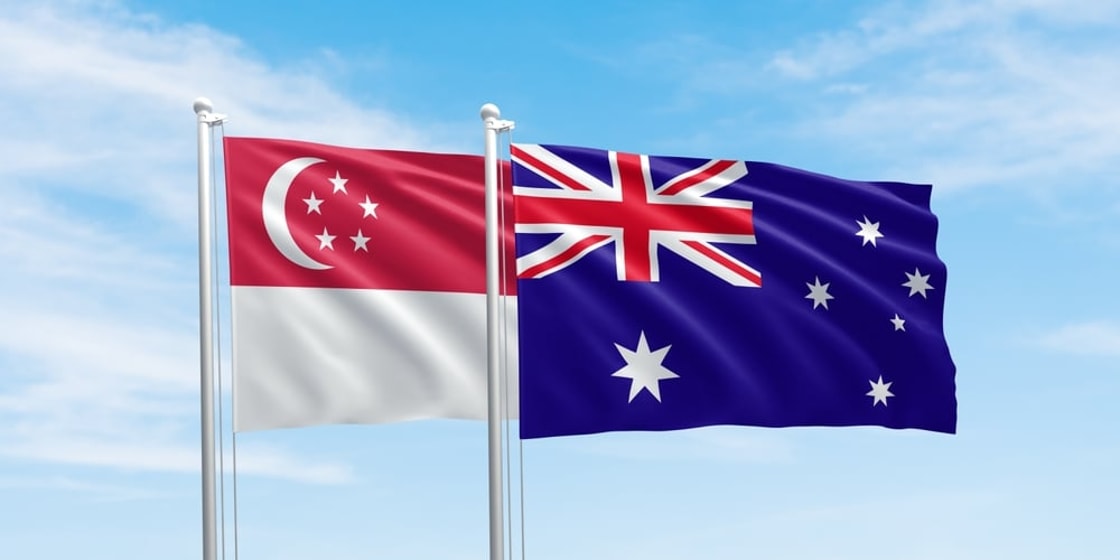
The Prime Ministers of Singapore and Australia have signed a joint statement on energy security aimed at maintaining stable flow of liquefied natural gas and energy during the global supply crisis.
Both nations committed to maximise efforts to ensure LNG and refined fuels continue to move between the two countries. Australia supplies around a third of Singapore’s LNG.
Singapore Prime Minister Lawrence Wong said, “Recently we have centralised our gas procurement rather than rely on multiple importers so that single entity [GasCo] can manage our overall gas portfolio, diversify different sources and manage the risks in terms of the duration of contracts. It will look to Australia on a commercial basis, and more long-term gas as well.”
Rising LNG prices are likely to massively boost Australian LNG export earnings.
However Australia’s taxation of LNG exports suggests that higher international prices will not fully translate into higher tax receipts. Oil and gas royalties as a share of export earnings were lower in that period when LNG prices peaked, than in years of more normal pricing, according to the Institute for Energy Economics and Financial Analysis.
Despite a request from other Asian partners to increase production to compensate for disrupted Qatari supply, Australia’s output has faced minor constraints from tropical cyclones, which temporarily impacted Chevron’s Wheatstone and Woodside’s North West Shelf projects.
The Australian government has confirmed that new production from projects such as Woodside Energy’s Scarborough and Santos’ Barossa field will soon begin, providing additional gas to backfill or expand existing facilities, with Barossa expected to support Darwin LNG.
The crisis is causing ripples for Singapore in other key sectors. It may not be quite in Taiwan’s or Korea’s electronics league, but the city state still produces around 10% of the world’s semiconductors and about 20% of global semiconductor manufacturing equipment, meaning .