Small Island Developing States (SIDS) are increasingly becoming leaders in the global energy transition, moving away from a heavy reliance on imported fossil fuels. These fuels are often expensive and subject to price volatility, making energy security a significant challenge for island nations. Despite contributing very little to global greenhouse gas emissions, SIDS are highly vulnerable to climate change and extreme weather events. As a result, modernizing their aging power grids is not just an environmental goal but a critical necessity for both survival and economic stability.
A recent report by the International Renewable Energy Agency (IRENA) highlights that renewable energy deployment in SIDS has grown significantly, increasing by 150% between 2014 and 2023. By 2023, the total renewable energy capacity in these islands reached 8.7 gigawatts. This rapid growth, however, comes with unique technical challenges. Most island grids were initially designed for a one-way flow of electricity from large, centralized power plants. Transitioning to decentralized and intermittent sources like solar and wind places enormous pressure on these small and isolated systems.
One of the most pressing technical challenges is maintaining grid stability. Unlike traditional power plants, solar and wind energy do not naturally provide inertia, the physical momentum that keeps a grid’s frequency stable during disturbances. Without this inertia, sudden changes such as cloud cover or equipment faults can cause rapid frequency drops, increasing the risk of blackouts. Additionally, many SIDS struggle with outdated infrastructure that is not flexible enough to handle high shares of renewable energy. This often leads to “curtailment,” where available green energy is wasted because the grid cannot accommodate it.
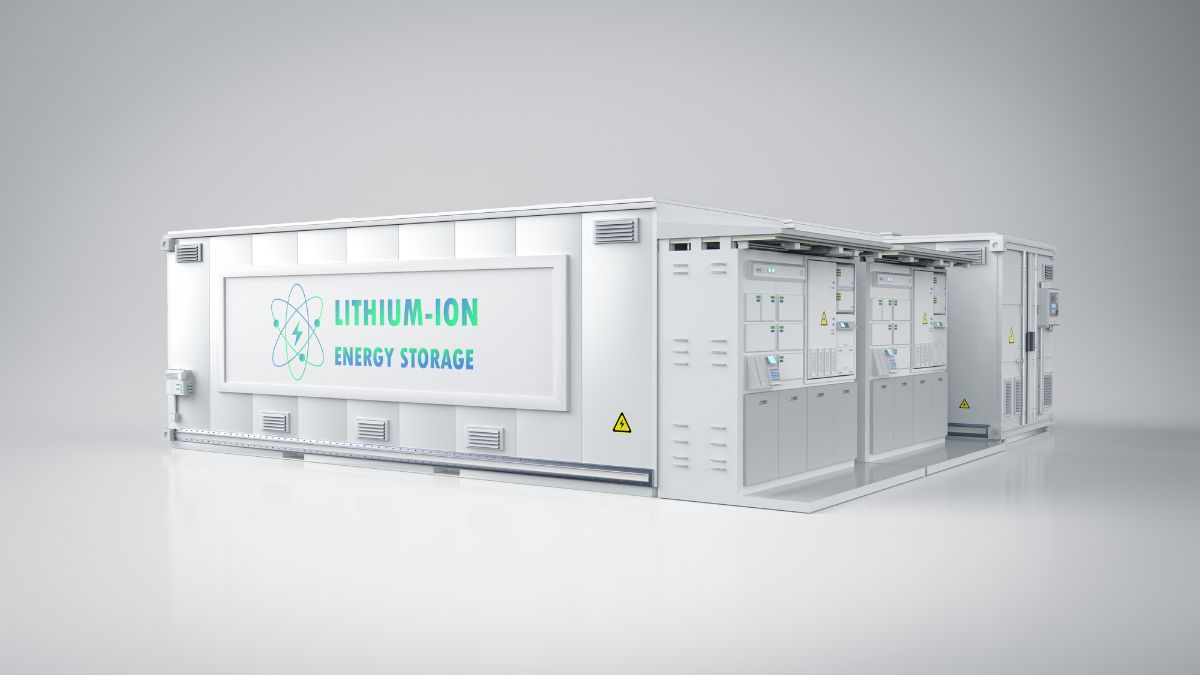
To address these issues, IRENA’s report proposes a 10-point plan for transforming island energy systems. Key recommendations include investing in grid-forming inverters and battery storage, which can replicate the stability provided by conventional power plants. The plan also emphasizes demand-side solutions, where technologies like smart meters allow consumers to adjust electricity use based on renewable energy availability. These approaches help balance supply and demand, reduce waste, and strengthen grid resilience.
The report also stresses the importance of policy and human factors. Many SIDS are held back by outdated grid codes, which were often copied from larger countries and do not suit island conditions. Updating these technical rules and establishing fair tariff structures are crucial to attract private investment. Investors often perceive the small market sizes and higher risks of SIDS as barriers, so creating an enabling environment is essential for further growth of renewable energy.
Ultimately, the report concludes that SIDS have a unique opportunity to lead the world in energy innovation. By moving from reactive solutions to proactive planning, islands can build resilient and sustainable power systems. This includes developing local technical expertise, improving weather forecasting, and integrating advanced energy technologies. With the right combination of technology, policy reforms, and international financing, SIDS can secure a green, reliable, and equitable energy future while setting an example for other regions around the world.
This report highlights that for Small Island Developing States, the energy transition is not just about reducing emissions—it is about creating systems that are robust enough to withstand climate impacts, ensure economic stability, and make the most of renewable energy opportunities.
Subscribe to get the latest posts sent to your email.