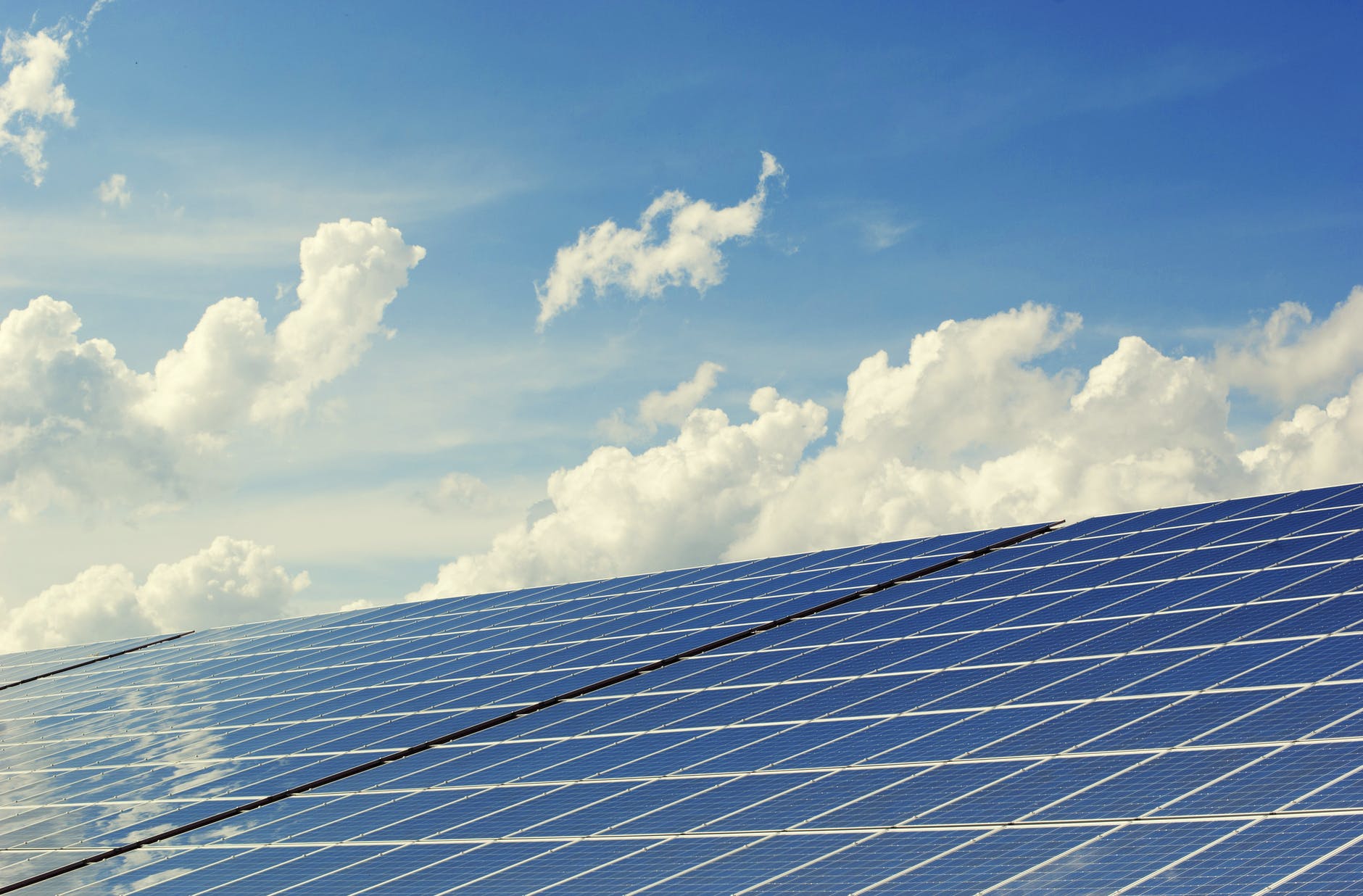
The U.S. solar industry added nearly 18 gigawatts (GW) of new capacity in the first half of 2025, even as the Trump administration introduced a series of policies aimed at limiting clean energy growth. According to the Solar Energy Industries Association (SEIA) and Wood Mackenzie’s U.S. Solar Market Insight Q3 2025 report, solar and energy storage together made up 82% of all new power capacity connected to the grid during this period. However, the report warns that recent federal actions, including the One Big Beautiful Bill Act (HR1), are creating significant headwinds for future growth.
The report’s low-case forecast suggests that these policies could cause the United States to lose 44 GW of planned solar deployment by 2030—an 18% decline from previous estimates. When compared with pre-HR1 projections, the total potential loss rises to 55 GW, representing a 21% drop in expected capacity by the end of the decade. Despite these challenges, 77% of the solar capacity installed so far in 2025 has been added in states carried by President Trump in the last election. Eight of the top 10 states for new solar installations—Texas, Indiana, Arizona, Florida, Ohio, Missouri, Kentucky, and Arkansas—are among these states.
Manufacturing capacity has also grown significantly in early 2025, with 13 GW of new or expanded solar module production facilities coming online in Texas, Indiana, and Minnesota. This brings total U.S. module manufacturing capacity to 55 GW. However, no new upstream manufacturing investments were recorded in the second quarter of 2025, as federal policy uncertainty threatens to stall momentum and deter billions of dollars in private investment.
Abigail Ross Hopper, SEIA president and CEO, stated, “Solar and storage are the backbone of America’s energy future, delivering the majority of new power to the grid at the lowest cost to families and businesses. Instead of unleashing this American economic engine, the Trump administration is deliberately stifling investment, which is raising energy costs for families and businesses, and jeopardizing the reliability of our electric grid. But no matter what policies this administration releases, the solar and storage industry will continue to grow, because the market is demanding what we’re delivering: reliable, affordable, American-made energy.”
Michelle Davis, head of solar research at Wood Mackenzie, mentioned, “There is considerable downside risk for the solar industry if the federal permitting environment creates more constraints for solar projects. The solar industry is already navigating dramatic policy changes as a result of HR1. Further uncertainty from federal policy actions is making the business environment for the solar industry incredibly challenging.”
Looking ahead, the report forecasts that overall solar deployment will be about 4% lower by 2030 compared with projections made before HR1 was enacted. Short-term growth is supported by projects already under development, developers rushing to meet tax credit deadlines, and rising electricity demand as natural gas generation becomes more expensive and less reliable. Still, recent executive actions from the Department of the Interior (DOI) could delay or halt many planned projects. The DOI’s new permitting rules, which specifically target solar projects for stricter treatment, could affect roughly 44 GW of planned capacity—particularly in Arizona, California, and Nevada.
SEIA has urged DOI Secretary Doug Burgum to reverse these actions, warning that if they remain in place, they could lead to job losses, higher electricity prices, and reduced competitiveness for the U.S. economy. The association also cautioned that slower solar growth could undermine the administration’s broader economic and technological goals, including ambitions in artificial intelligence development. To address these challenges, SEIA has released a grid reliability policy agenda outlining key steps local, state, and federal leaders should take to strengthen the electric grid through greater use of solar and energy storage technologies, ensuring a stable and affordable power supply to meet the country’s growing energy needs.
Subscribe to get the latest posts sent to your email.