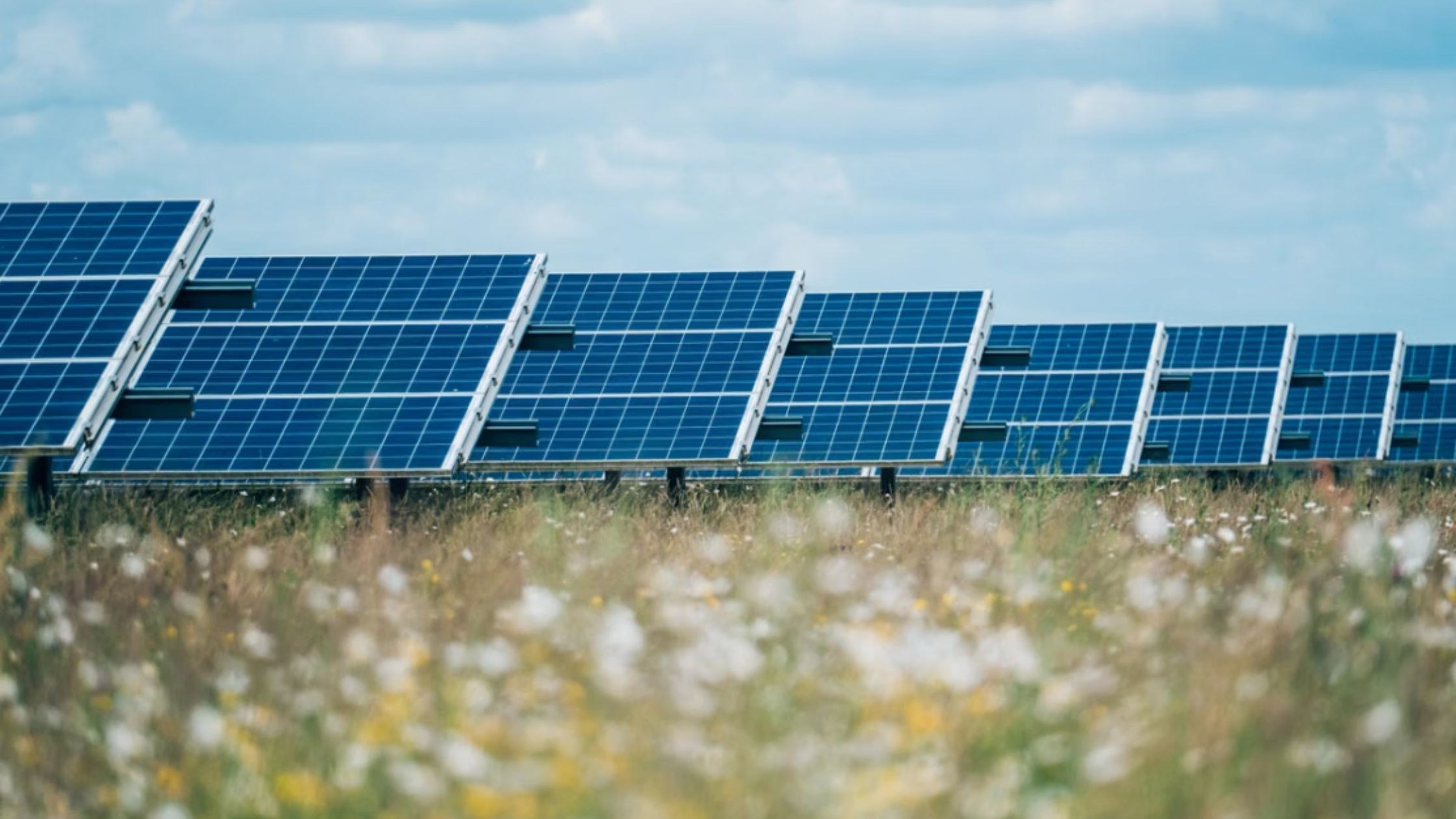
Türkiye has crossed a major milestone in its power sector as installed renewable energy capacity has exceeded 75,000 megawatts, while solar power has overtaken natural gas in total installed capacity for the first time. The latest data was released by the Energy and Natural Resources Ministry on Monday and reflects the country’s long-term push to reduce energy imports and strengthen domestic energy production.
As of November 2025, Türkiye’s total installed electricity capacity reached 121,782 megawatts. Renewable energy sources accounted for 75,615 megawatts, representing around 62% of the total capacity. This shift highlights the growing role of clean energy in Türkiye’s power mix, especially as the country faces limited domestic oil and natural gas resources and a high current account deficit driven by energy imports.
The Energy and Natural Resources Minister said that combined wind and solar capacity had reached 39,215 megawatts. Solar energy alone now accounts for 20.3% of the total installed capacity, while wind contributes 11.9%. Together, wind and solar now make up one-third of Türkiye’s total installed power capacity.
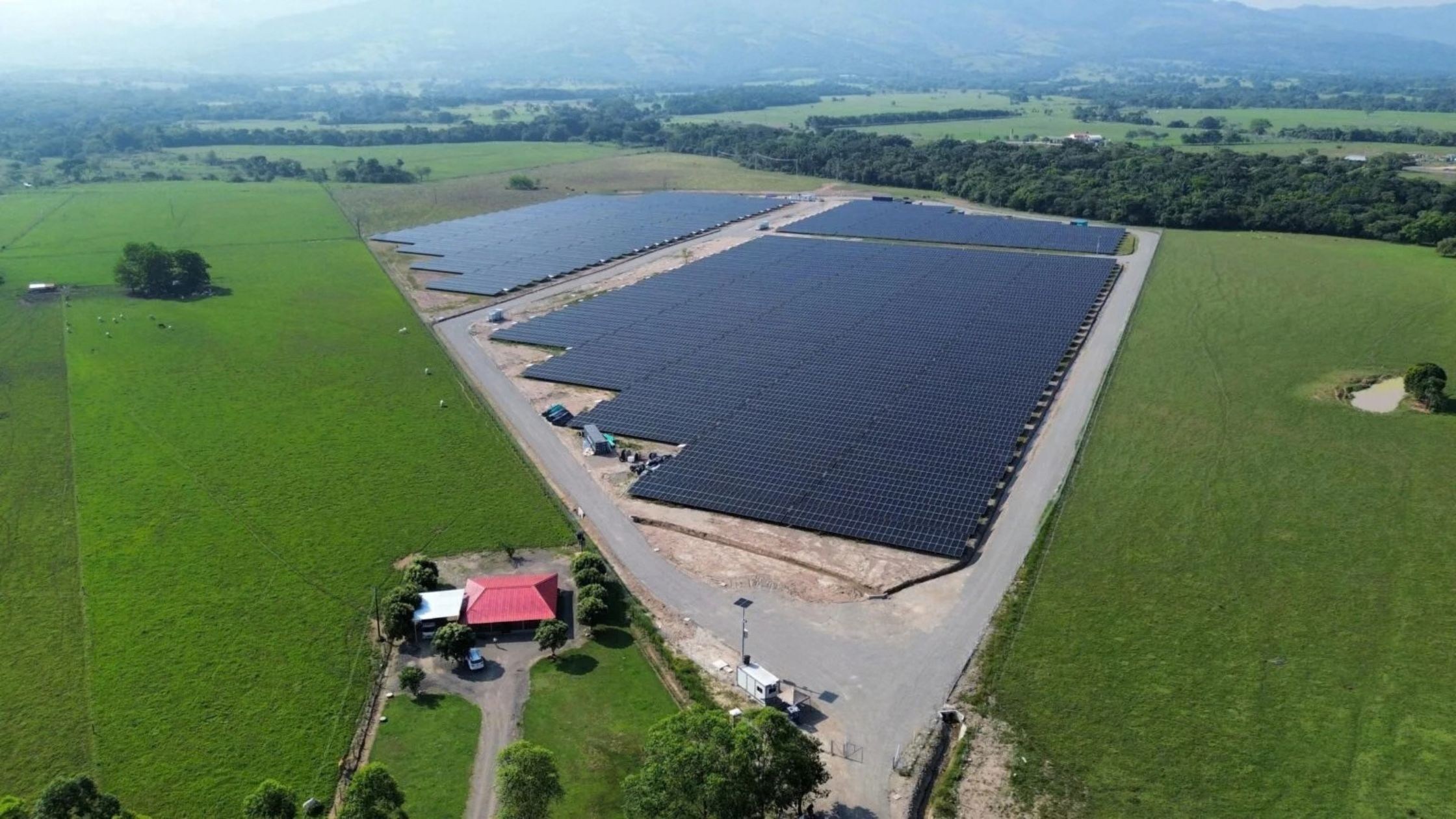
According to the data, solar power has become the second-largest power source in the country, surpassing natural gas, which now holds a 20% share. For decades, natural gas had remained the second most dominant source after hydropower. However, rapid growth in solar installations over the past several years has reshaped the energy landscape.
Hydropower remains the largest contributor with 32,294 megawatts, accounting for 26.5% of total capacity. Wind power stands at 14,546 megawatts, while domestic coal and imported coal account for 11,475 megawatts and 10,456 megawatts, respectively. Biomass and geothermal energy together contribute just over 4,000 megawatts.
The minister also noted that domestic energy sources now represent 71.5% of total installed capacity, equivalent to 87,090 megawatts. He emphasized that each new renewable energy investment helps Türkiye move closer to its goal of full energy independence.
During 2025, Türkiye completed solar and wind tenders totaling 3,800 megawatts, with an expected investment value of around $4 billion. These projects were allocated under the Renewable Energy Resource Zone, or YEKA, auction mechanism, which plays a central role in expanding clean energy capacity and meeting national renewable targets.
The country aims to increase solar and wind capacity to 120,000 megawatts by 2035. The Minister Türkiye plans to hold YEKA tenders for at least 2,000 megawatts every year to maintain momentum. He added that localization efforts and renewable expansion remain key pillars of the country’s energy strategy.
Electricity consumption in Türkiye has tripled over the past two decades and is expected to grow even faster in the coming years due to ongoing energy transformation. The YEKA model, introduced in 2016, was designed to support large-scale projects, simplify land allocation, and encourage domestic manufacturing. Recent updates, including easier permitting and financial incentives, have helped attract investors. This year’s tenders alone generated about 530 million euros in revenue for the state.
Subscribe to get the latest posts sent to your email.